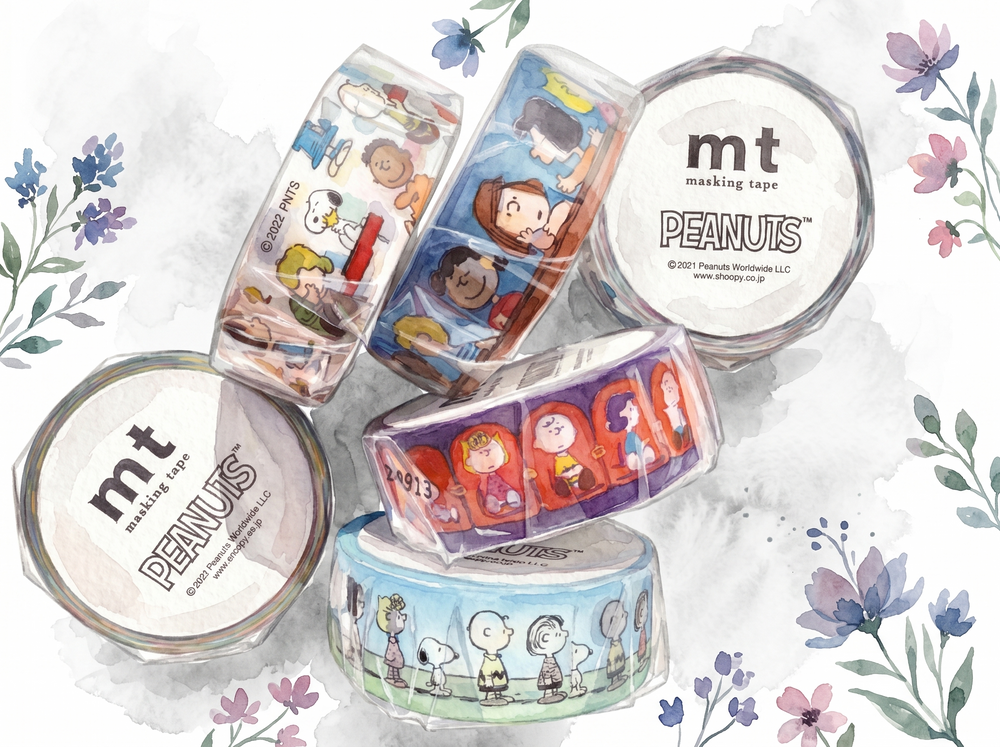
Washi Tape
Mulberry-fibre rolls from 5 mm slim lines to 30 mm feature widths — tearable by hand, writable with pencil, gel and fountain ink.
View washi tape →
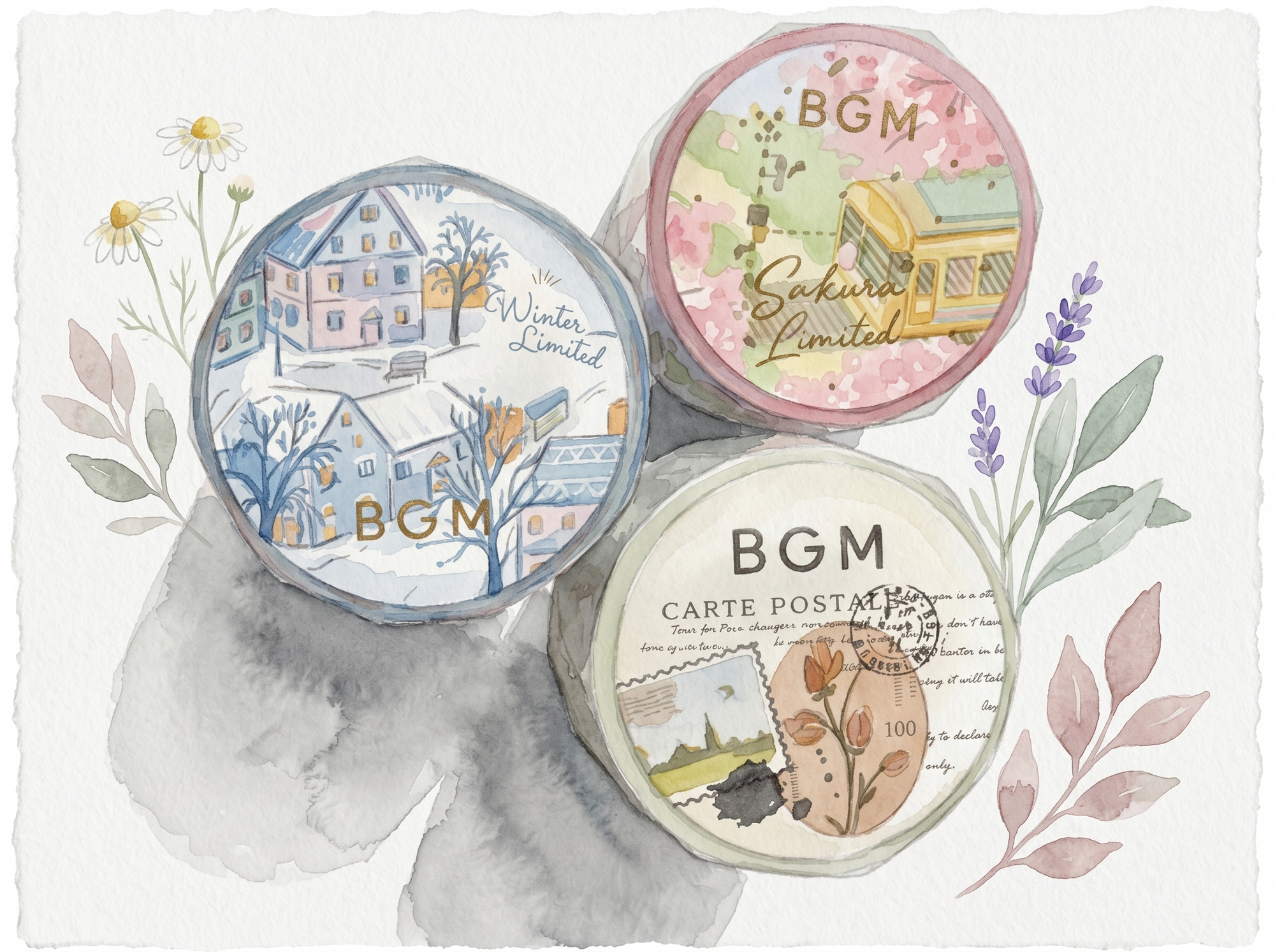
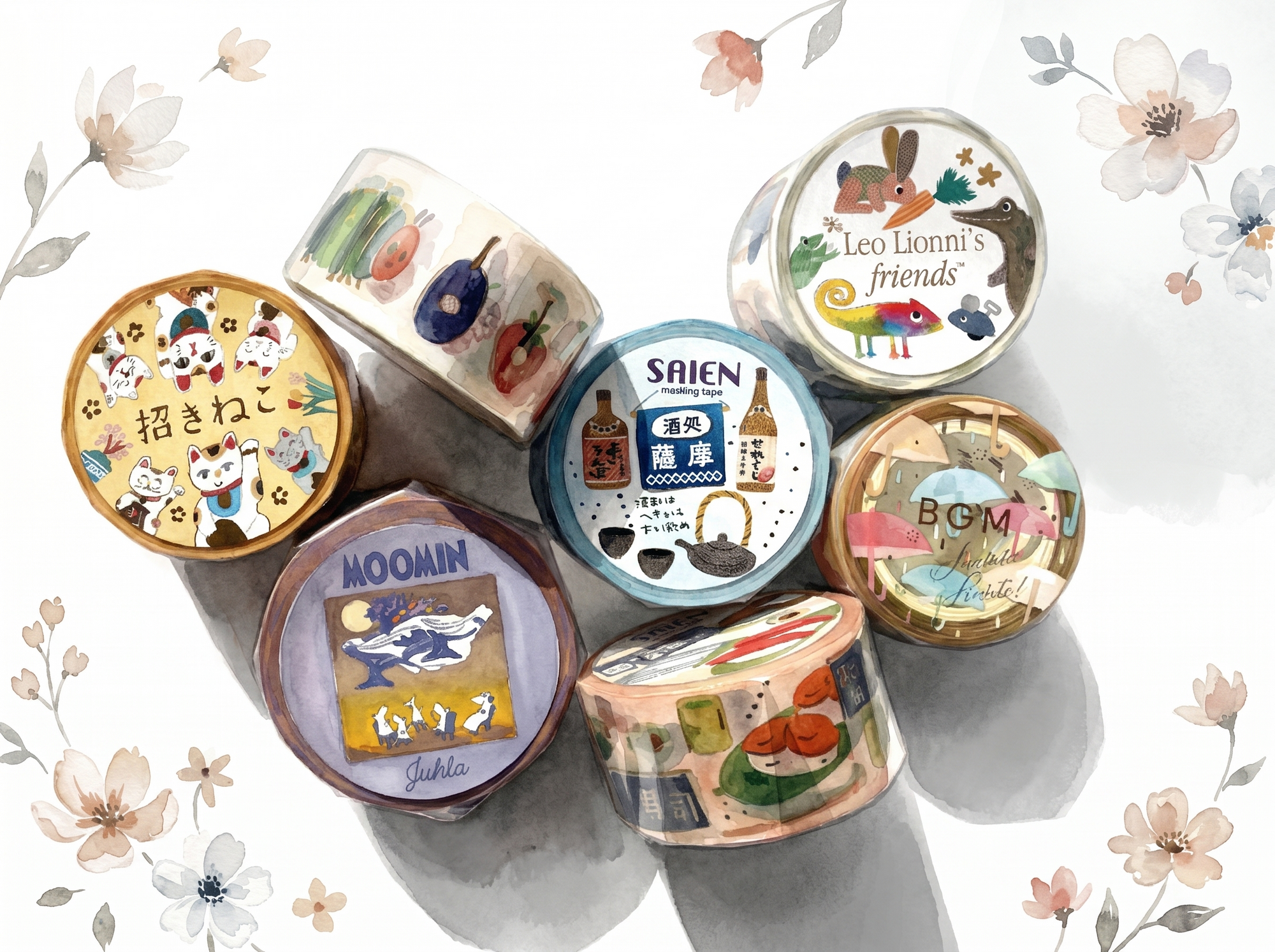
Japanese washi tape, foil sticker flakes and journaling paper — documented by width, material and maker.
Washi Monologues is an independent, Australia-based curator of Japanese and East Asian paper goods, followed by journalers, scrapbookers, letter writers, craft educators and stationery retailers across more than 20 countries. Every listing is opened, measured and photographed in-house — so that a roll described as “15 mm, mulberry-fibre washi, gold foil accent” genuinely behaves that way on the page.
Instead of chasing volume, we build a slow, verified library: BGM, Papier Platz, World Craft, Mindwave, Furukawashiko, Saien, MT Masking Tape and small studio releases, catalogued with the detail an overseas buyer actually needs before committing to a design.
Each category page carries our measured notes: roll width, sheet count, paper finish, foil type and whether a design layers well over ink.
Mulberry-fibre rolls from 5 mm slim lines to 30 mm feature widths — tearable by hand, writable with pencil, gel and fountain ink.
View washi tape →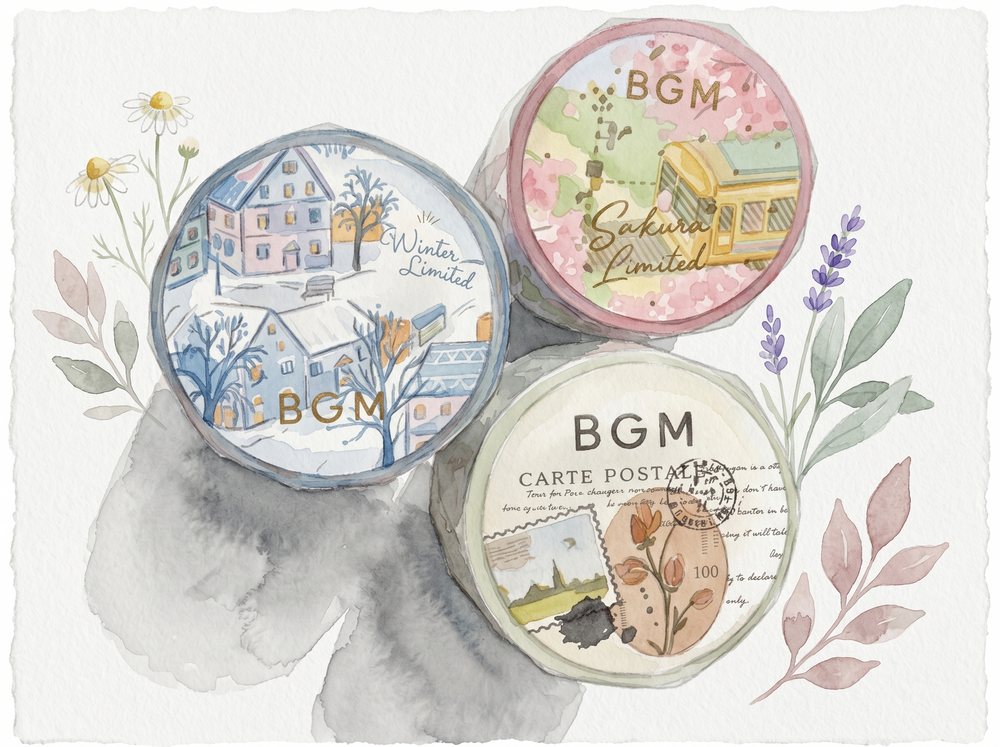
Die-cut flake packs, foil-stamped seals and sheet stickers — typically 40–50 pieces per pack, sorted by theme and foil colour.
View stickers →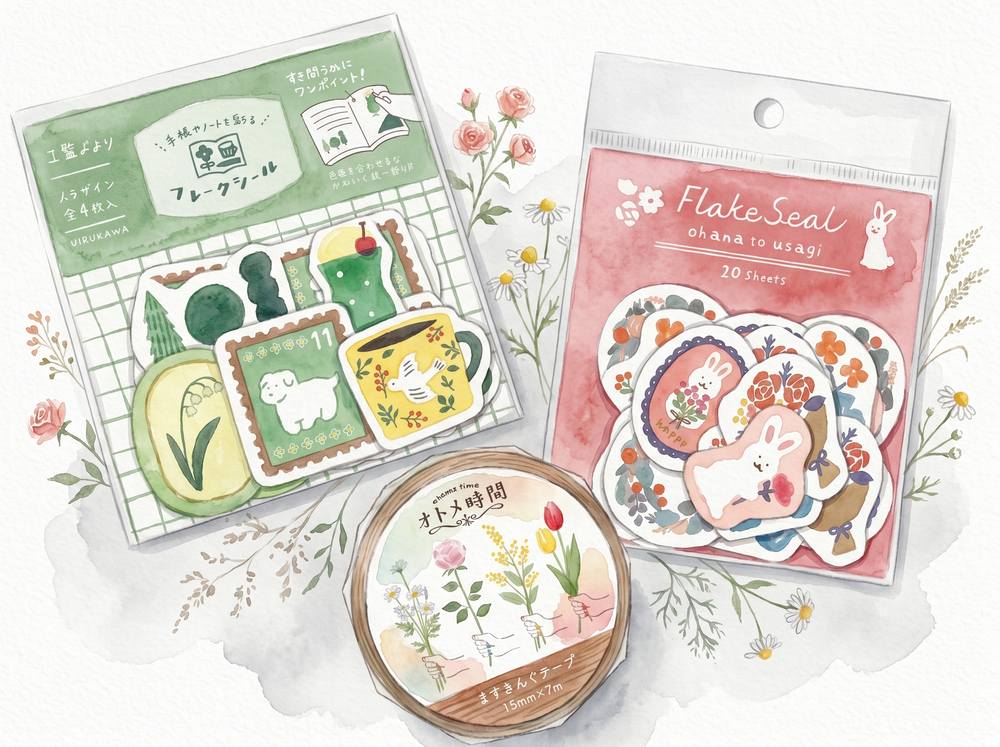
Transparent polyester film with crisp printed edges — ideal for layering over text without hiding what is underneath.
View PET tapes →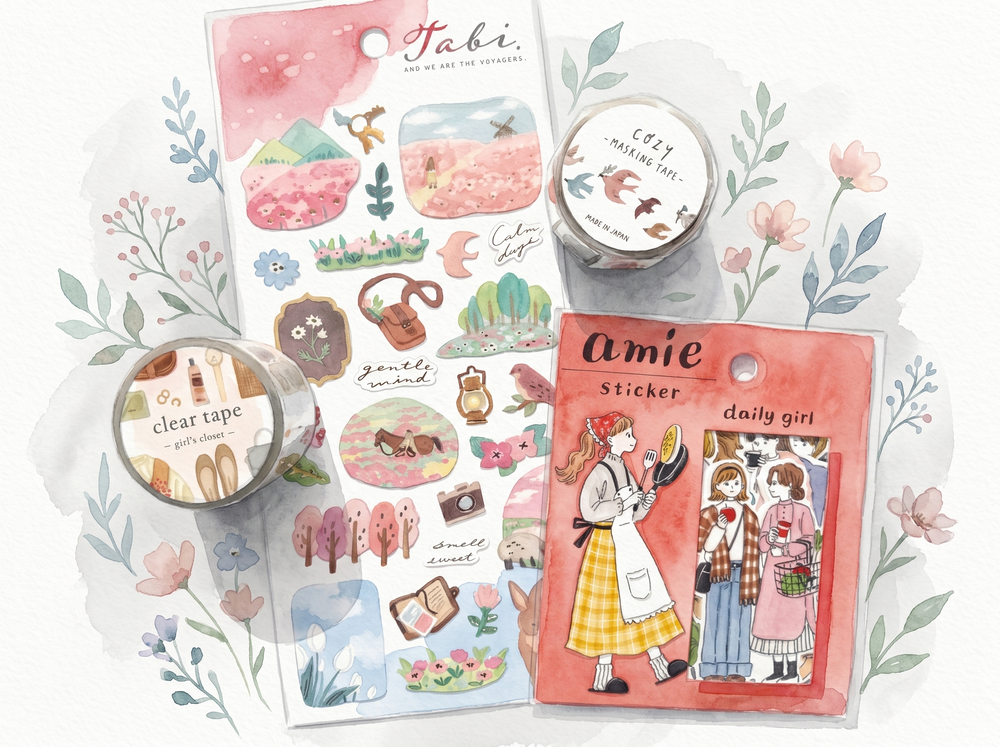
Illustrated note blocks on smooth, low-bleed stock — a favourite base layer for collage spreads and quick daily logs.
View memo pads →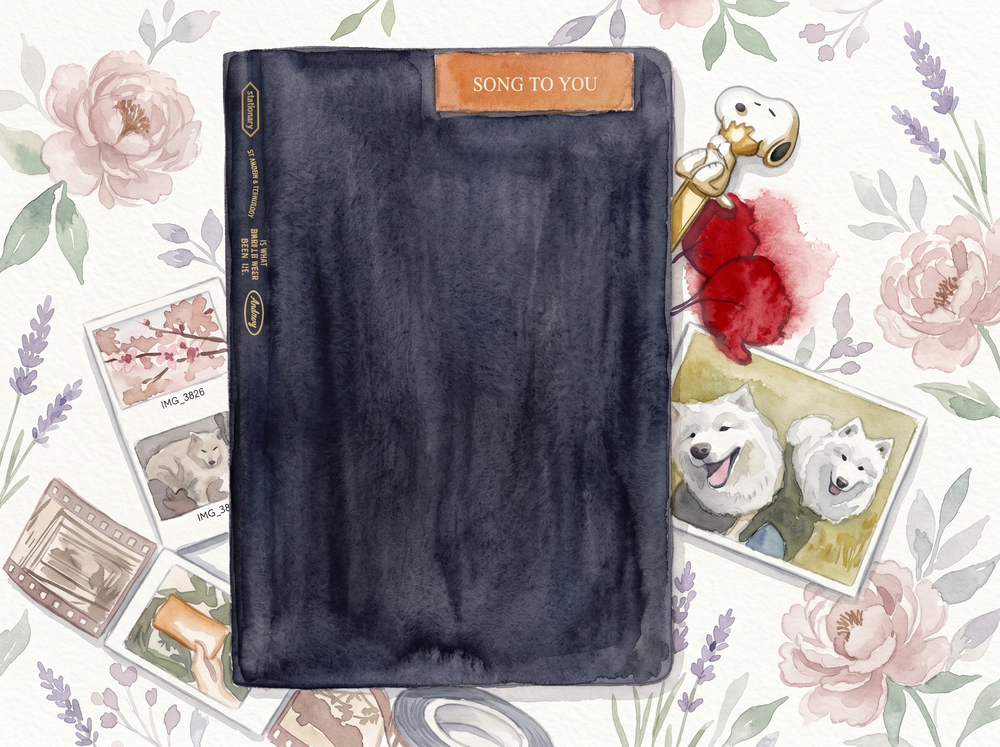
Grid, dot and blank formats on thin yet resilient Japanese paper — chosen for tape adhesion and minimal show-through.
View notebooks →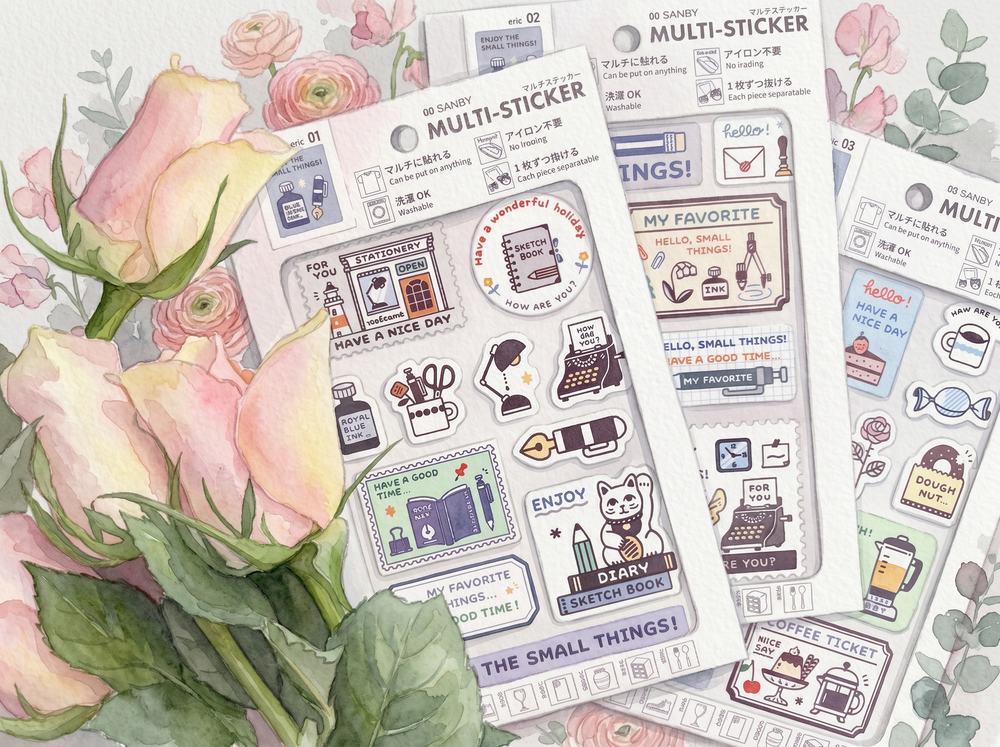
Photopolymer sets with fine line work — mount on any acrylic block and repeat a motif across a whole spread.
View clear stamps →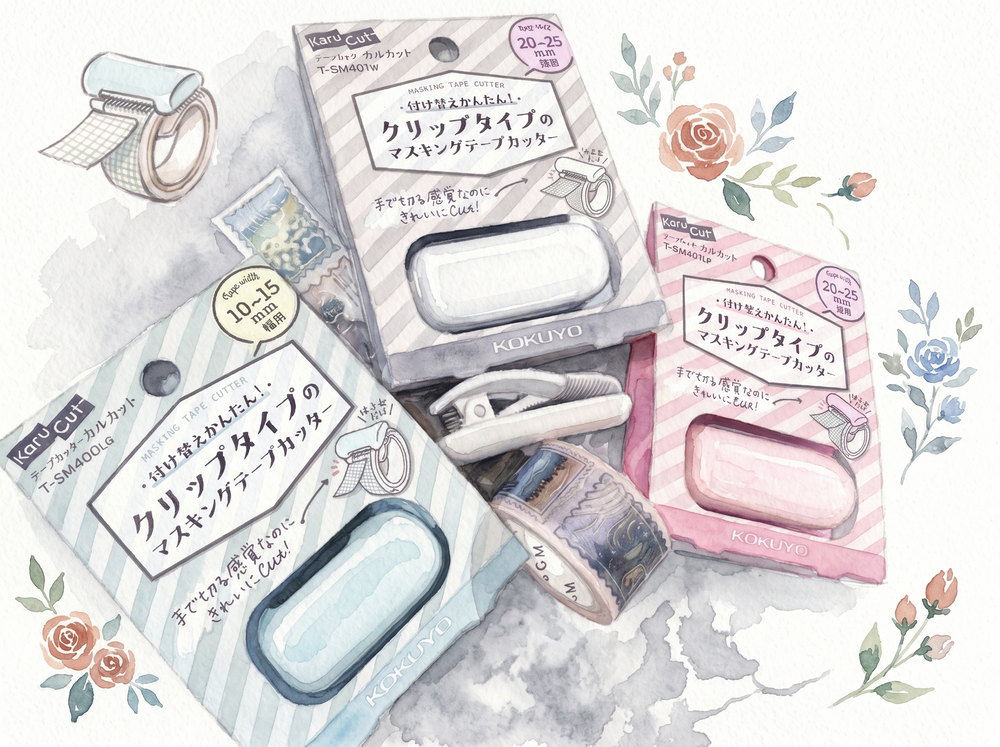
Karucut-style blades that cut a clean straight edge with one hand — the fastest upgrade to any taping routine.
View tape cutters →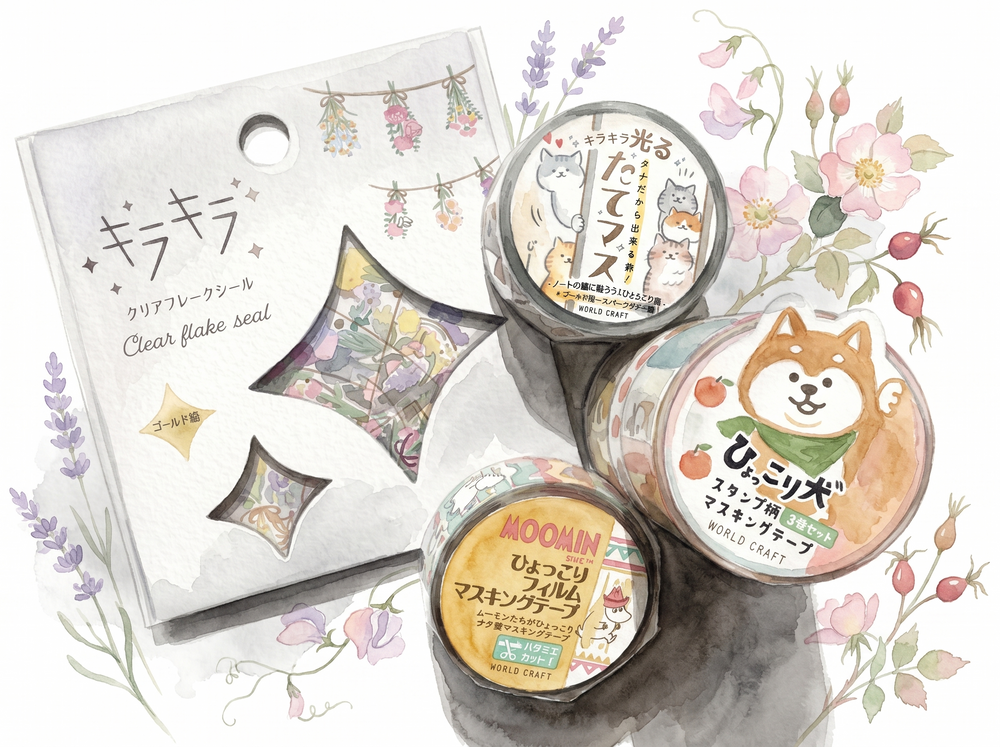
Ephemera packs, tickets, letter paper and trim — the connective material between tape and sticker layers.
View supplies →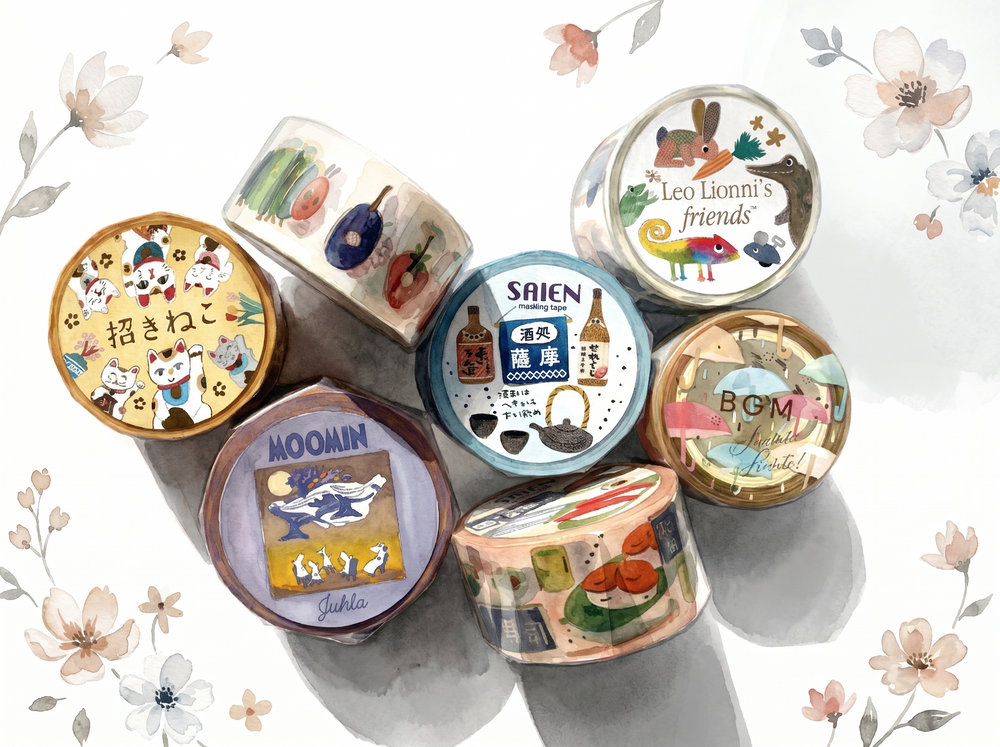
Discontinued runs, single-batch collaborations and hard-to-source designs, logged as they arrive.
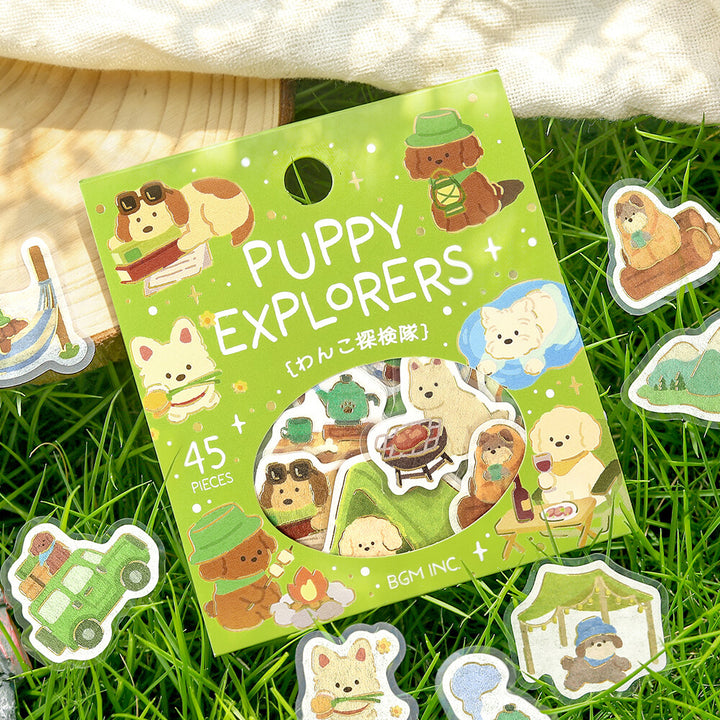
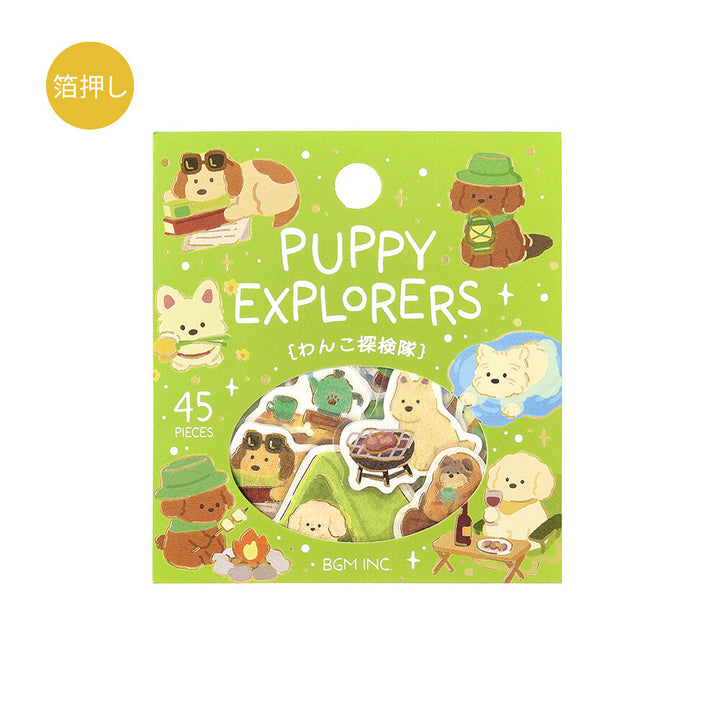
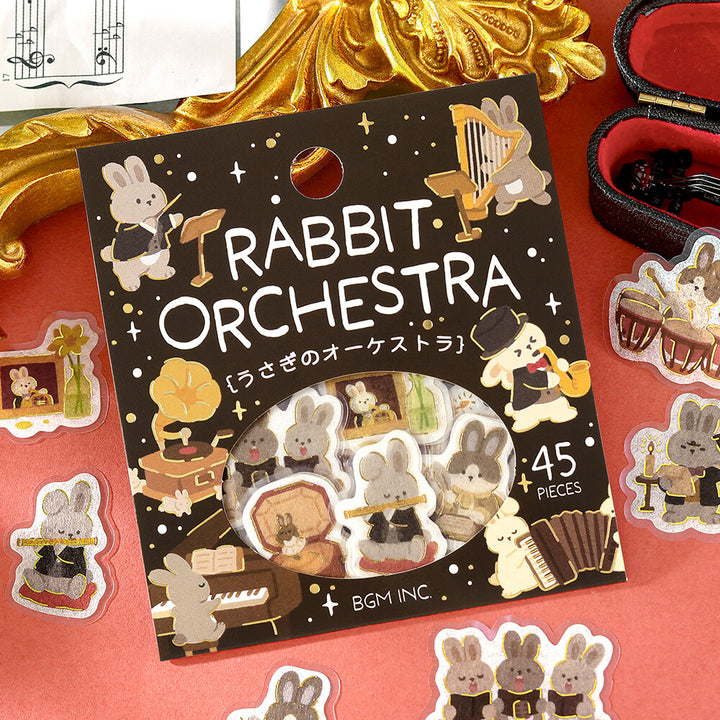
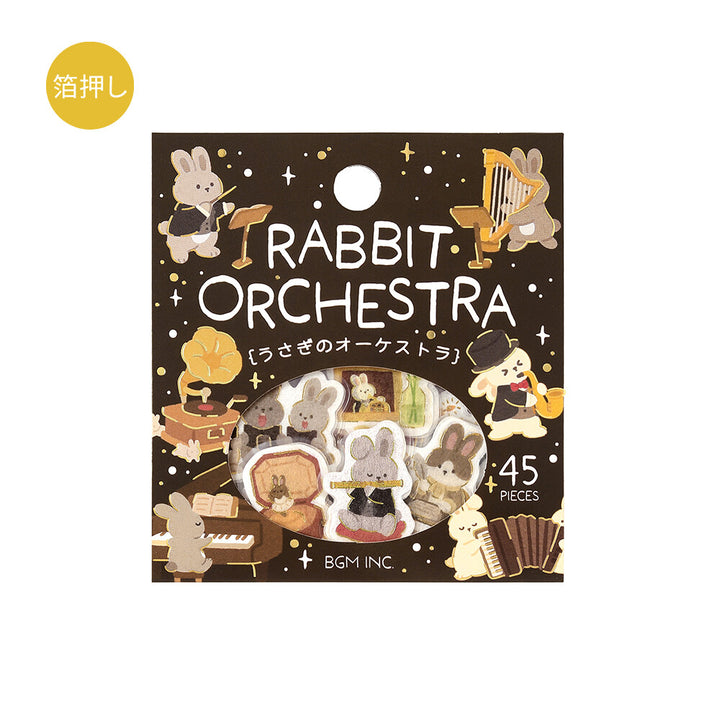
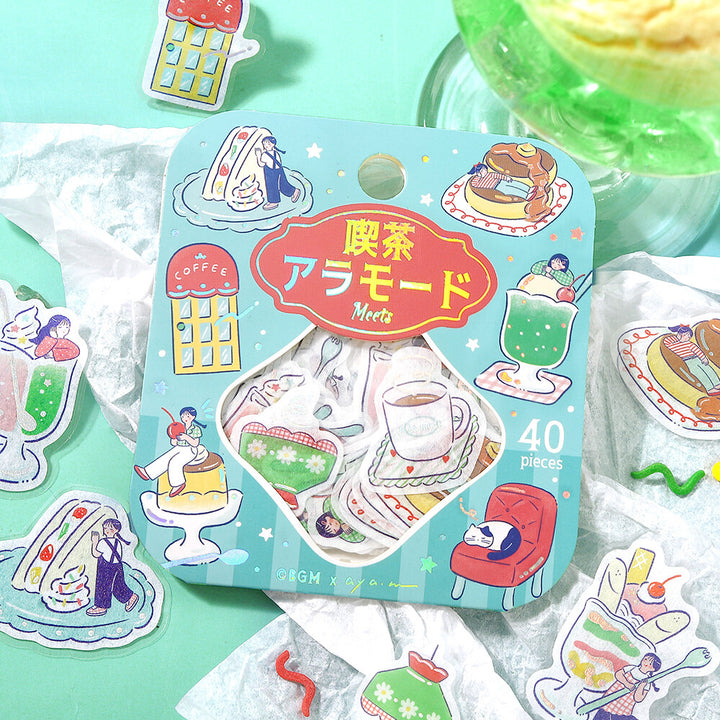
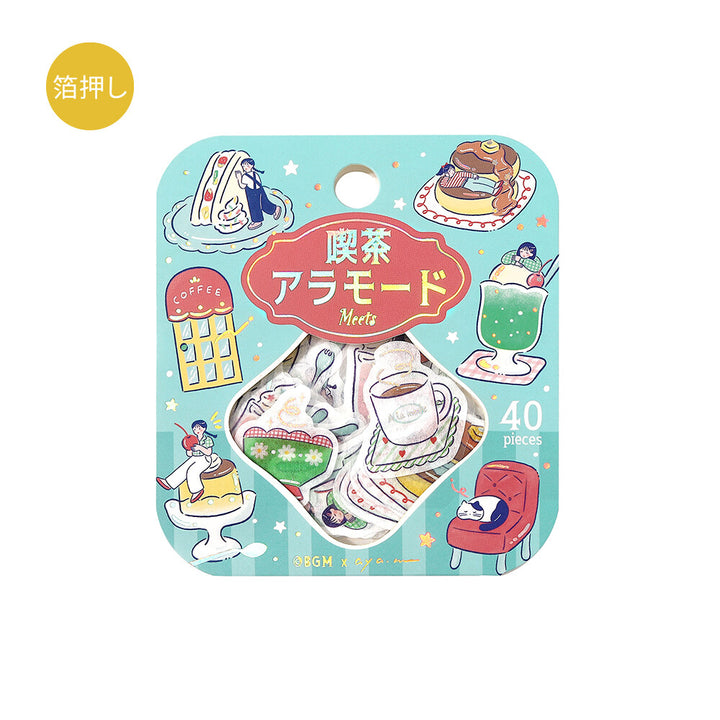
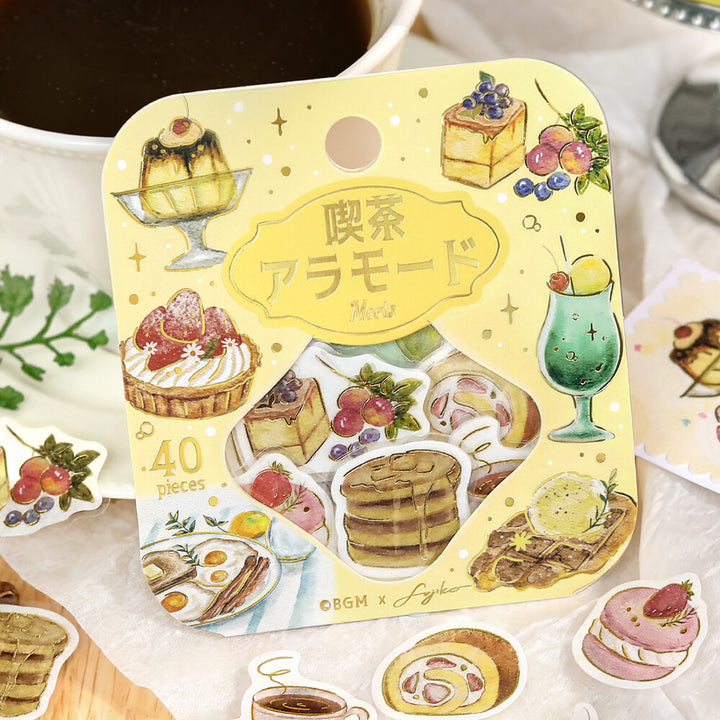
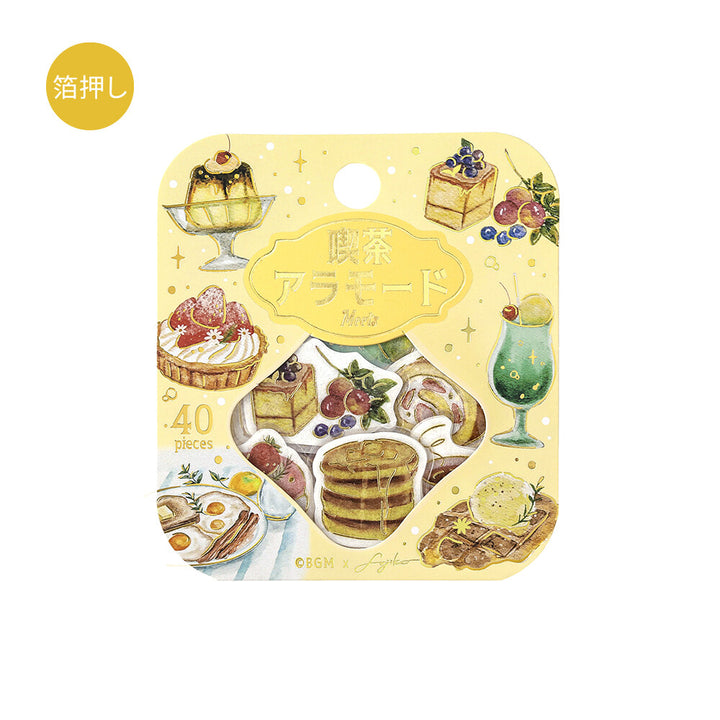
View rare finds →The most recent additions from BGM Japan — foil-accented flake packs and transparent PET seals, photographed in natural light so the foil reads honestly.
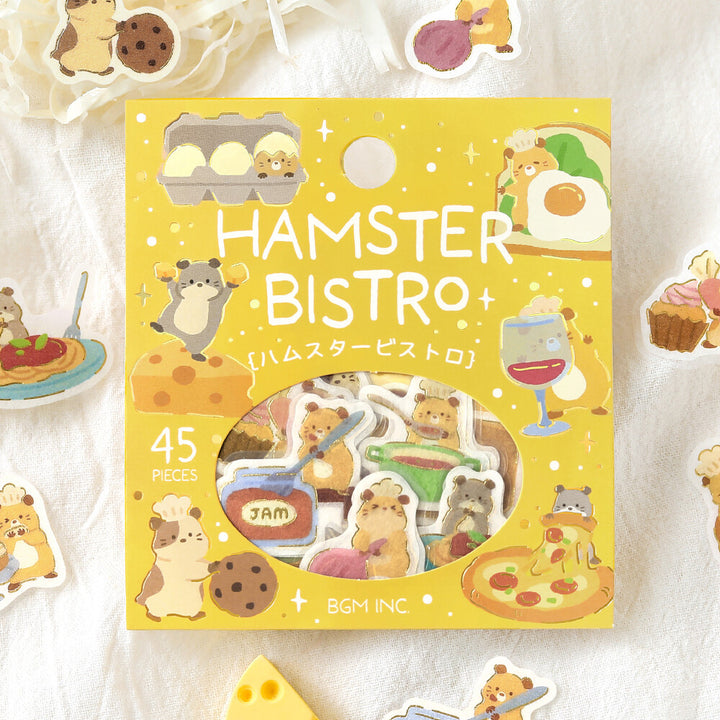
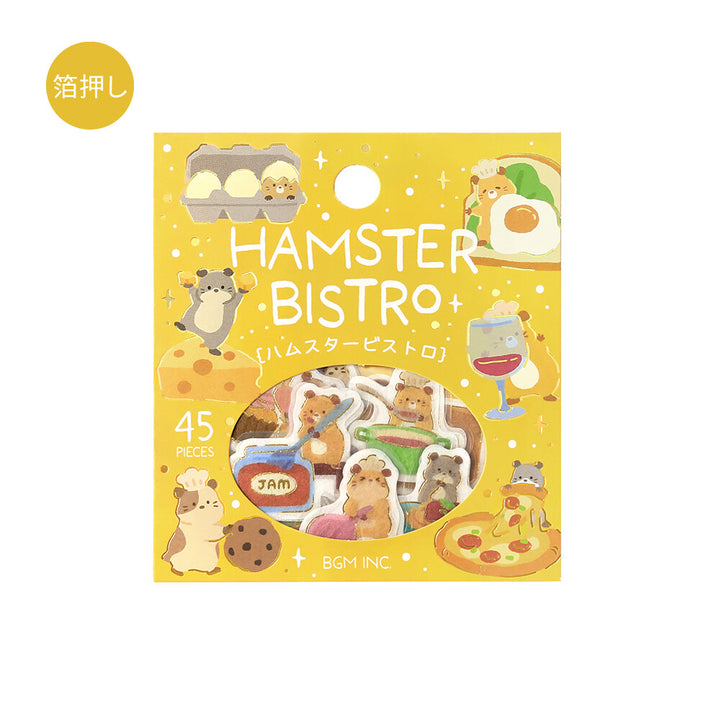
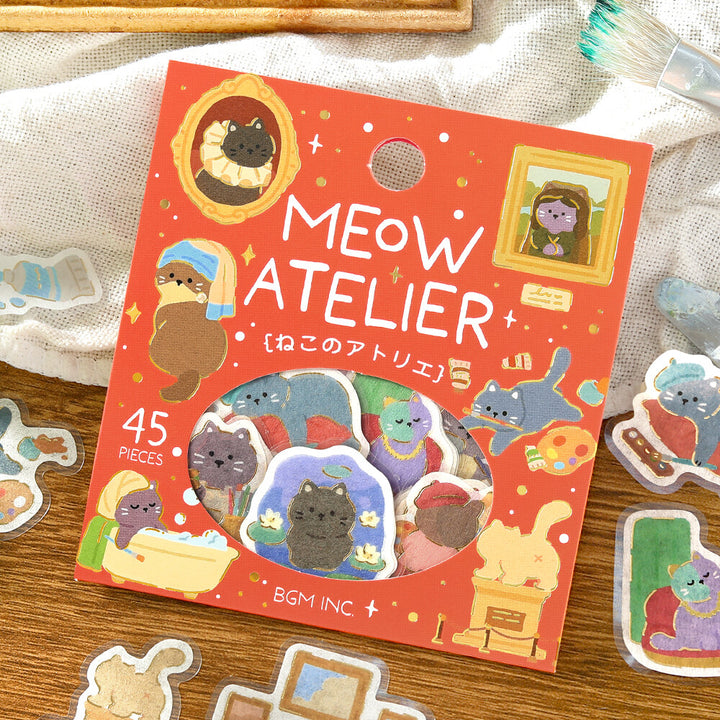
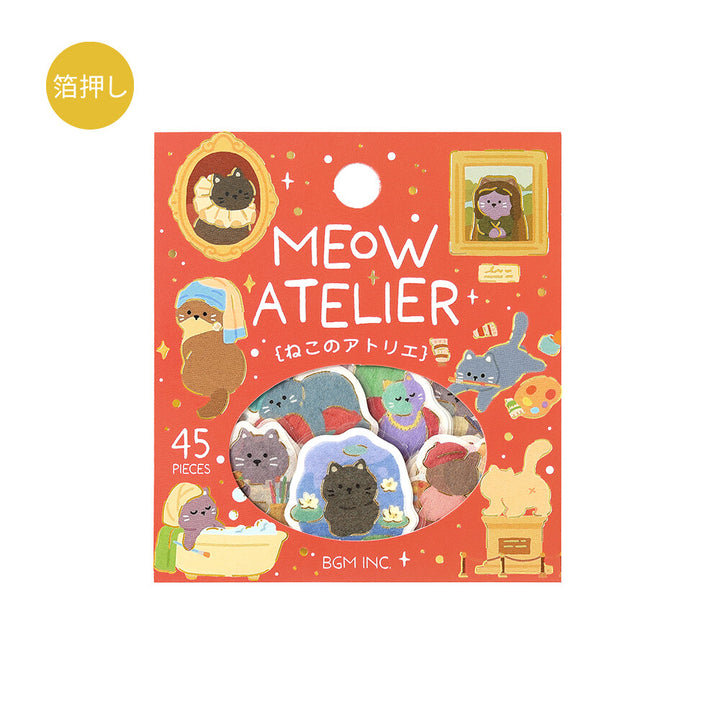
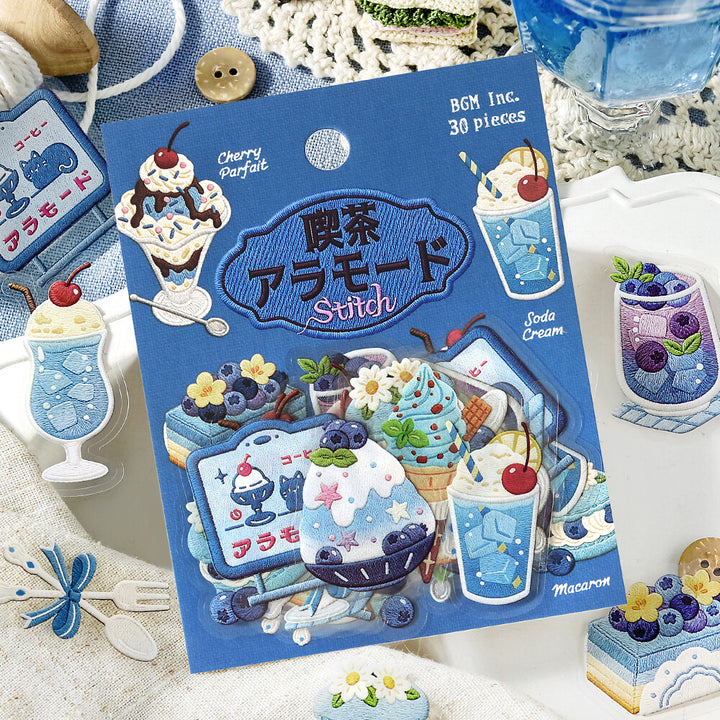
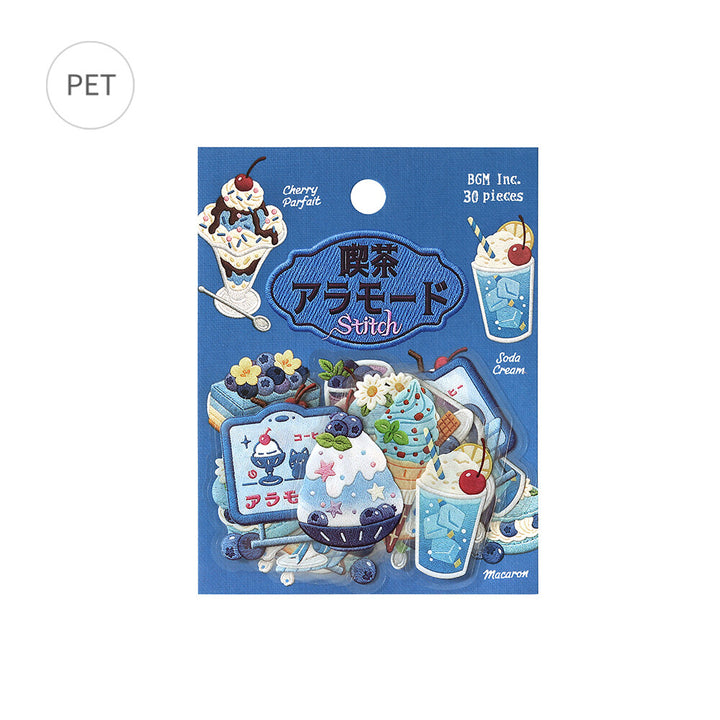
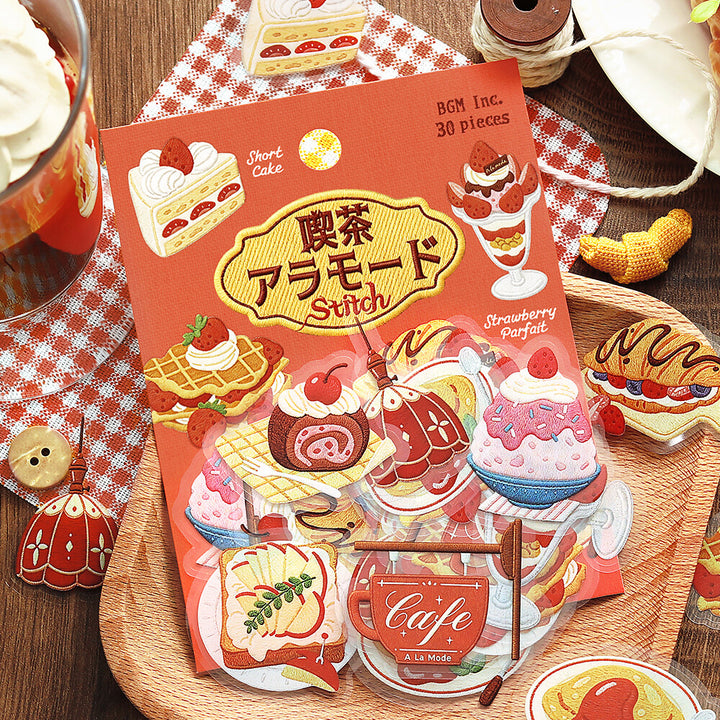
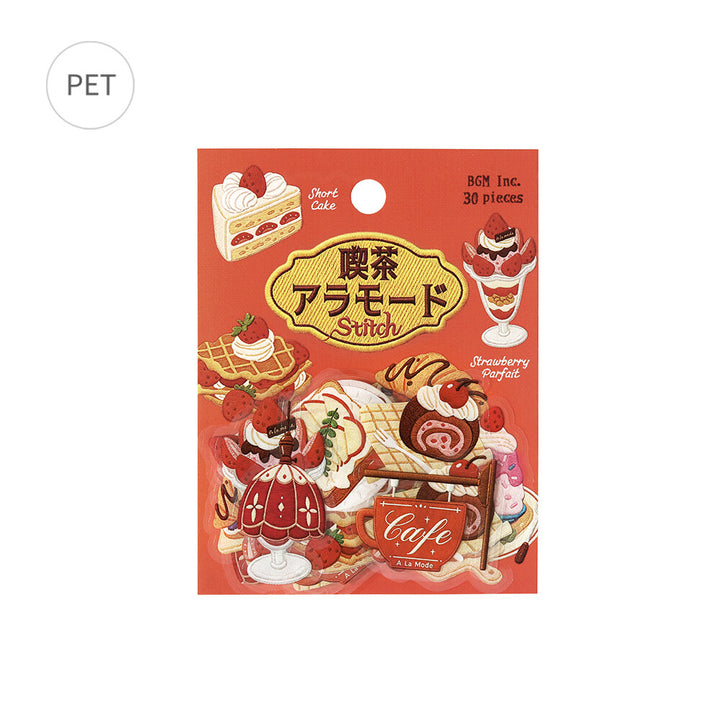
Most disappointment with decorative tape comes from a mismatch between material and task. Washi accepts ink and tears by hand; PET keeps colour crisp and stays transparent; vinyl resists water but resists pens too. We publish the material on every listing for exactly this reason.
| Property | Washi tape | PET tape | Vinyl / plastic |
|---|---|---|---|
| Base material | Mulberry / wood-pulp paper | Polyester film | PVC film |
| Tear by hand | Yes, clean | No — use scissors or a cutter | No |
| Write on top | Pencil, gel, most fineliners | Oil-based marker only | Permanent marker only |
| Transparency | Semi-opaque | Clear to semi-clear | Opaque |
| Repositioning | Good, low residue | Moderate | Firm, may lift paper |
| Best for | Borders, labels, mixed collage | Layering over text & photos | Storage, labels, packaging |
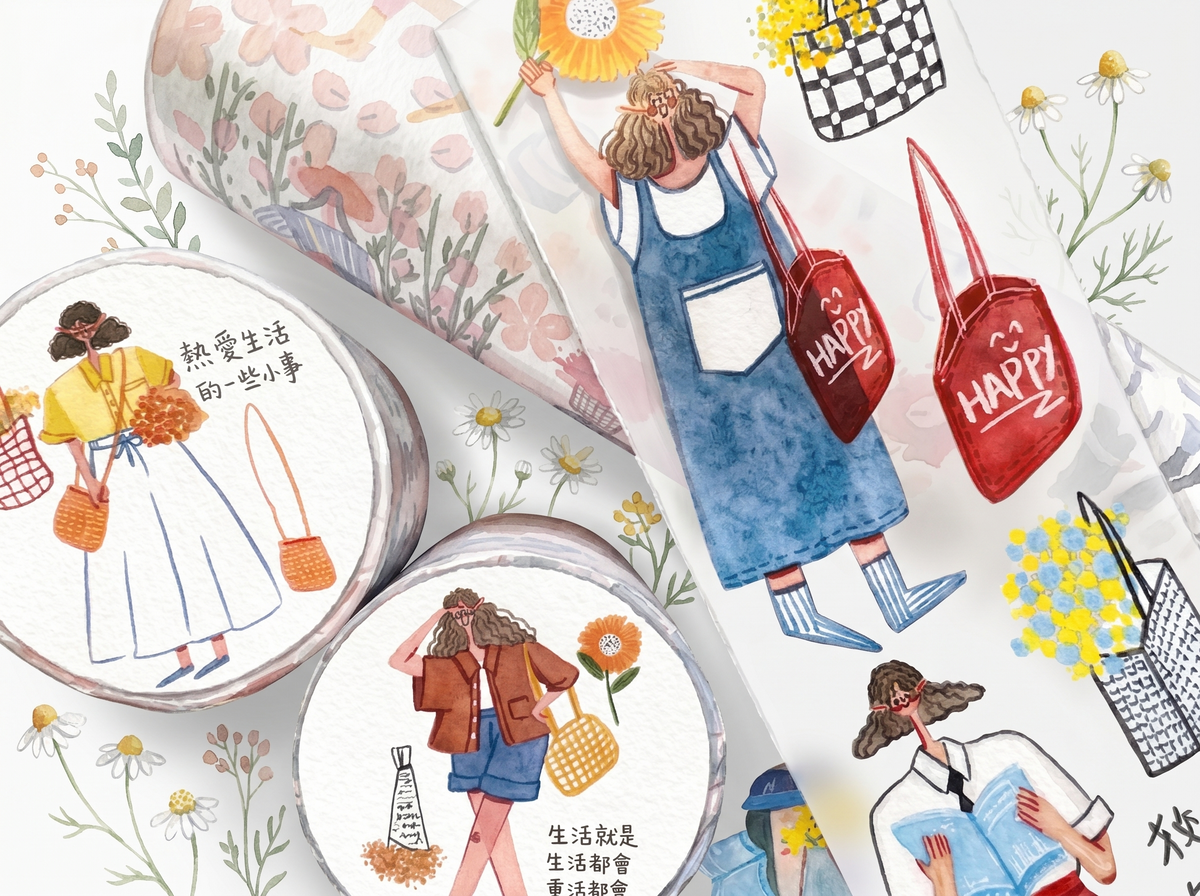
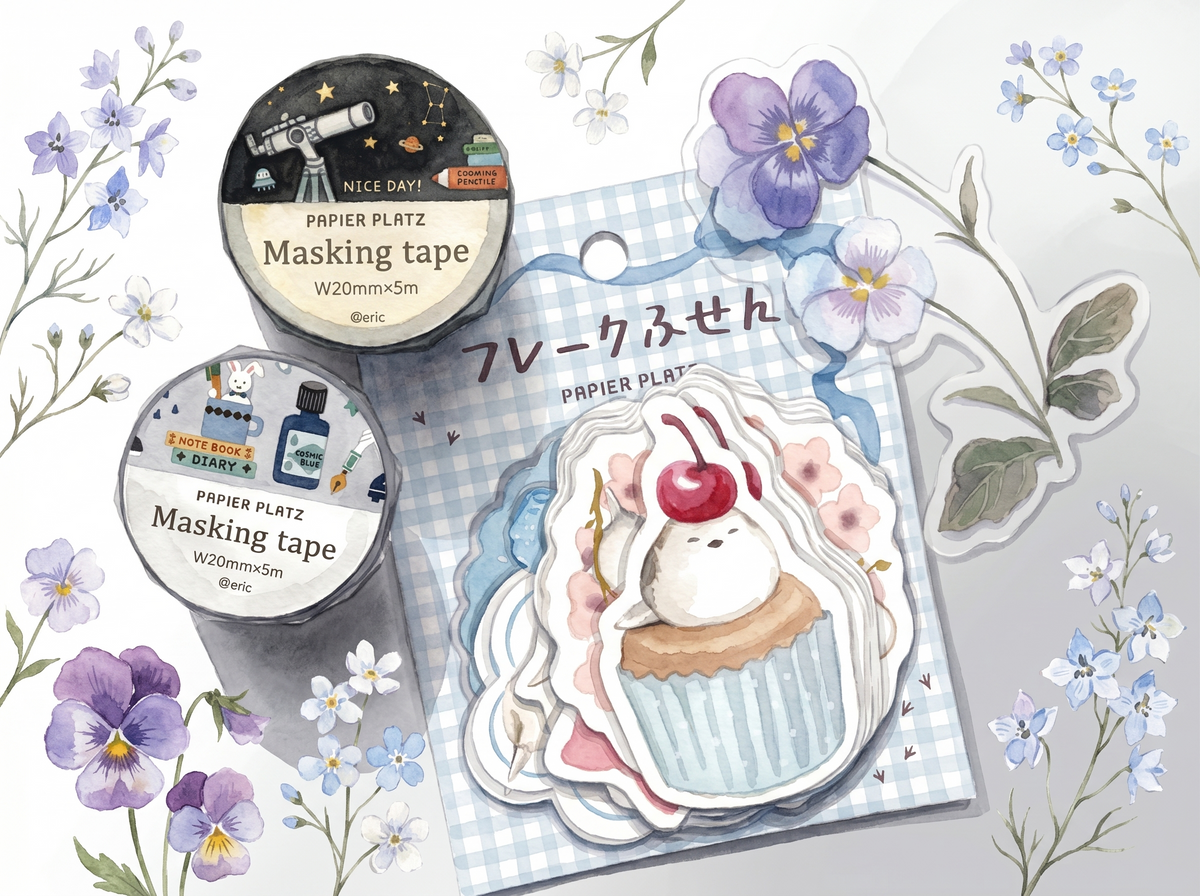
Width is the single most useful specification when planning a spread — and the one most often missing from product photos. These are the ranges we see most across Japanese makers, with the roles they tend to play.
We keep long relationships with a small number of studios and manufacturers, which is how we can describe release cycles, repeat availability and true colour behaviour rather than repeating catalogue copy.
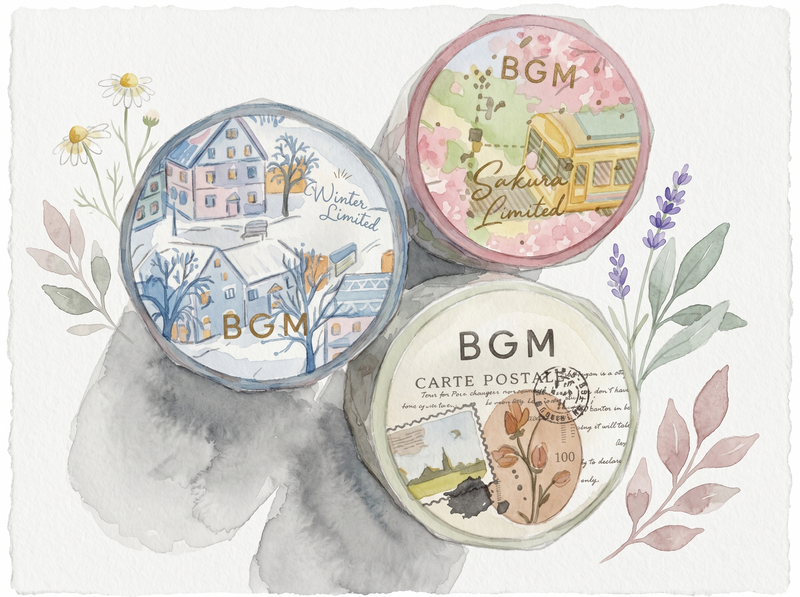
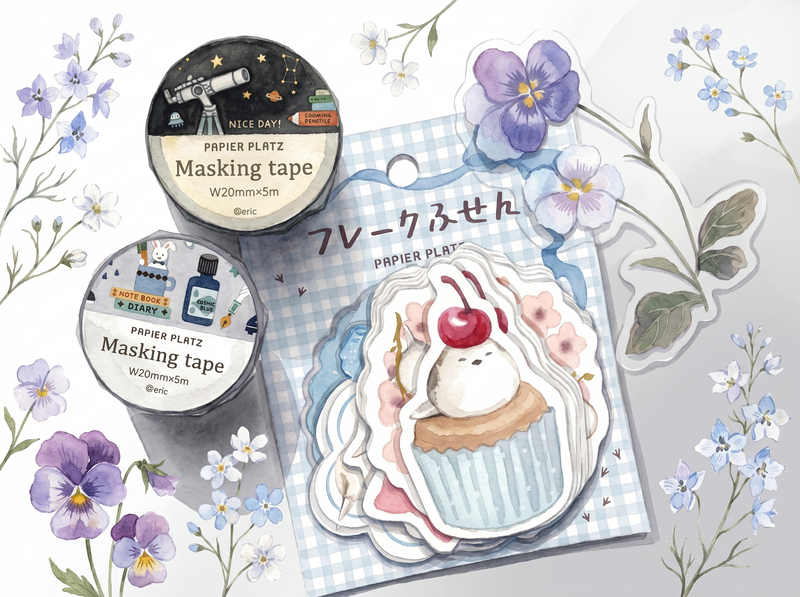
Illustrator collaborations with painterly colour and soft-edge printing.
Shop Papier Platz →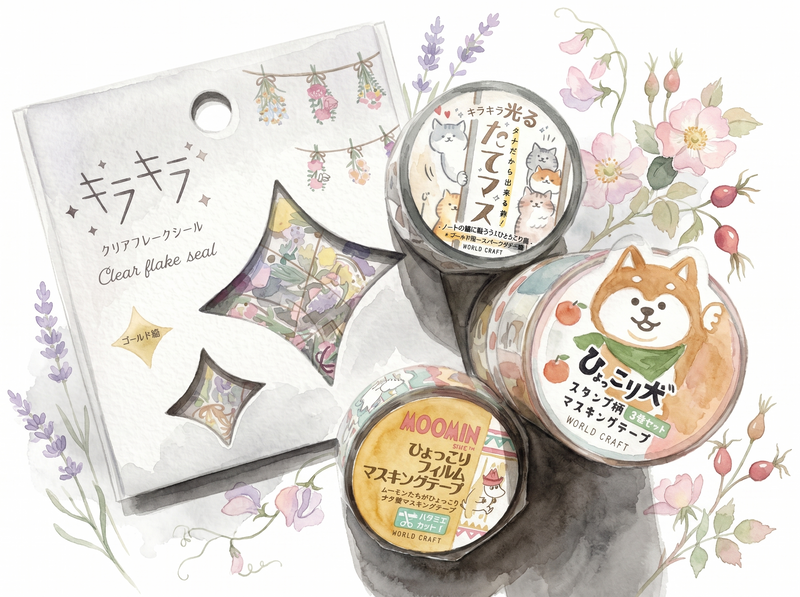
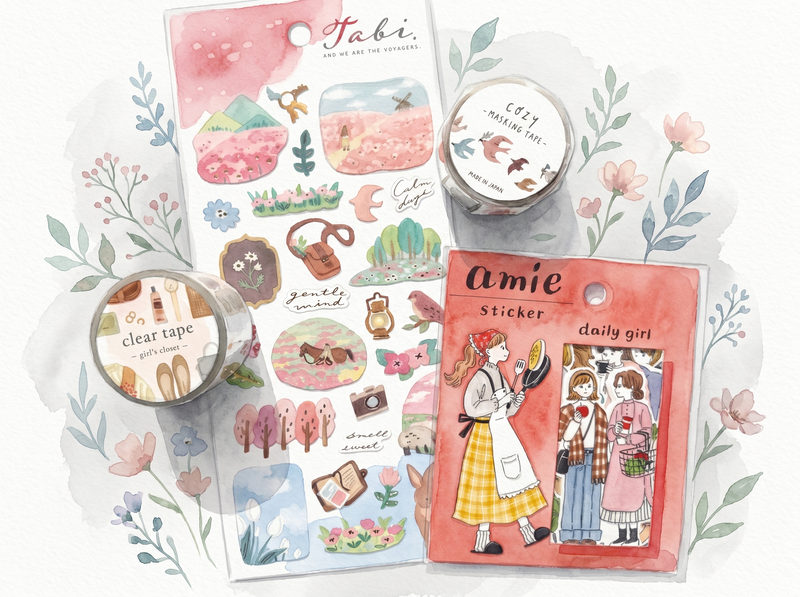
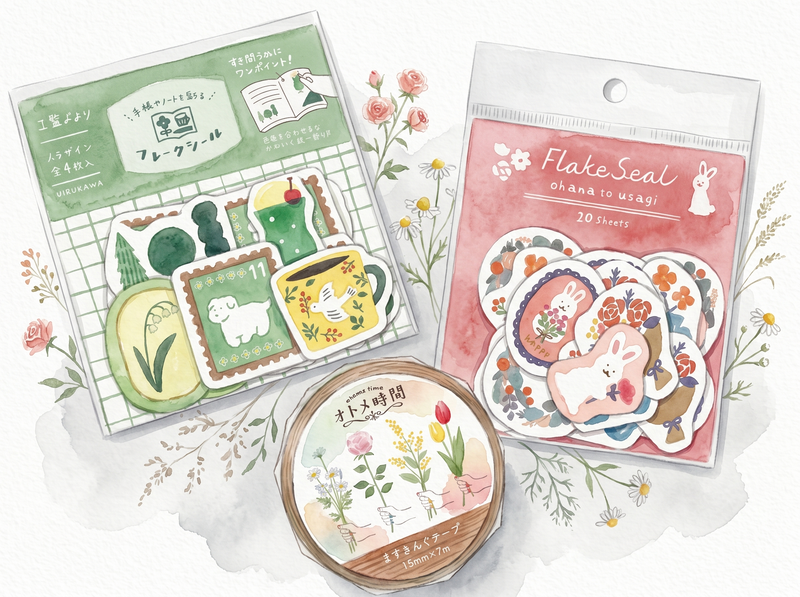
Botanical and antique-paper aesthetics; excellent PET and flake series.
Shop Furukawashiko →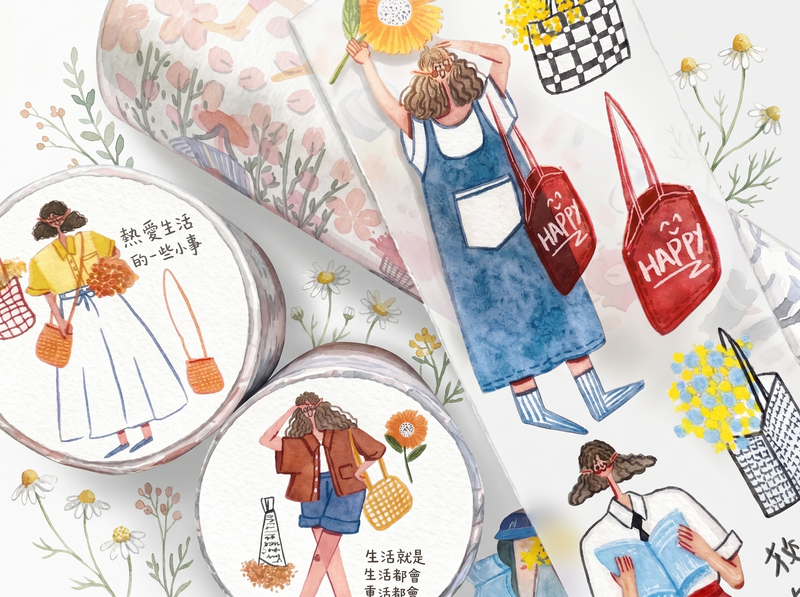
Small-batch designer rolls, often produced once and never repeated.
Shop the studio →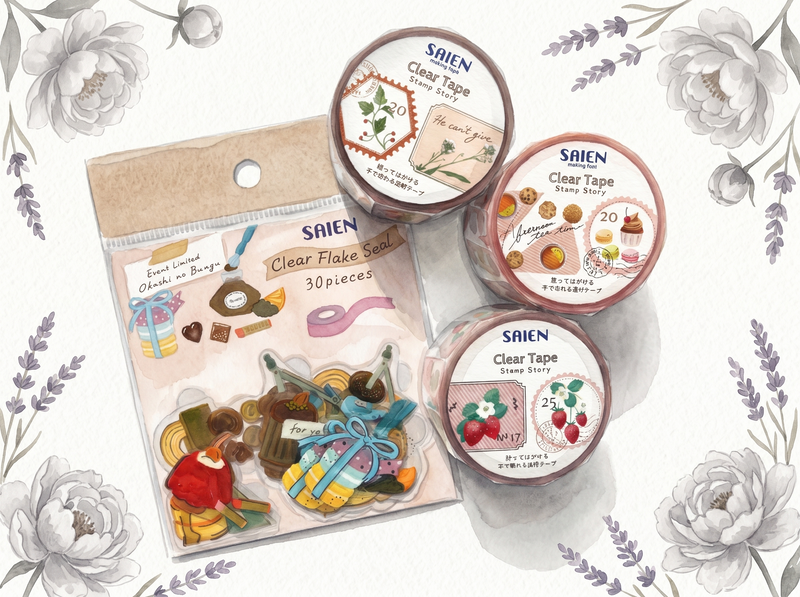
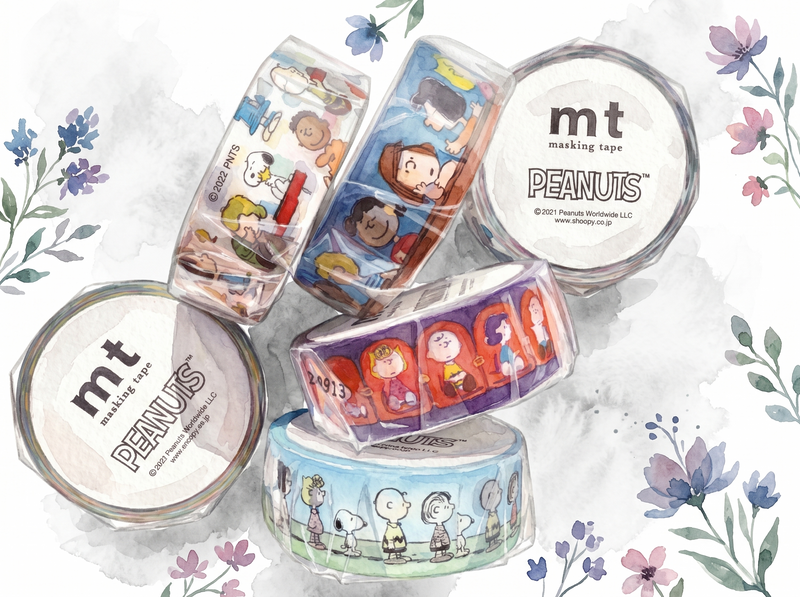
Nothing is listed from a supplier image. We open a unit from every batch, measure the roll or sheet, note the foil colour and shoot it in daylight against neutral paper so colour temperature stays honest.
Stock is sourced through authorised Japanese distributors and the makers’ own release channels. Where a design is a discontinued or single-batch item, we say so in the Rare & Noteworthy section rather than implying ongoing supply.
Our notes come from daily journaling, letter writing and workshop use — how a tape behaves on thin paper, whether a foil flake scratches, which memo stock survives a wet brush pen. Questions are welcome via our contact page.
“The story of your life should be told and retold by you. Washi tape, seals and paper are simply the punctuation.” Washi Monologues · Read our story
Traditional washi is made from long plant fibres — most often mulberry (kozo), mitsumata or gampi — which give a thin sheet unusual tensile strength. In tape form this means a roll that tears cleanly across the width by hand, stays flexible around curves, accepts pencil and most gel or fineliner inks, and lifts from paper with far less tearing than crepe-paper painter’s tape.
Most flake packs from makers such as BGM, Mindwave and Furukawashiko contain 40–50 die-cut pieces across roughly 8–20 distinct designs, sealed in a printed paper sleeve. Packs described as “foil” carry a gold or silver stamped layer on selected pieces — we always state the foil colour, because gold and silver read very differently against warm cream journal paper.
Japanese washi tape uses a low-tack acrylic adhesive intended for repositioning, so on decent journal paper it usually lifts within the first day or two without tearing fibres. On very thin paper (below about 60 gsm), long-stored tape, or the surface of a photographic print, removal can still lift a layer — for irreplaceable items we recommend corner mounts or taping onto a backing card instead.
Yes on washi: pencil, gel pens and most pigment fineliners take well, though fountain-pen ink may feather on coated finishes. PET film is non-absorbent, so use an oil-based paint marker or an alcohol-ink marker and allow full drying time; water-based ink will bead and smudge.
Japanese stationery makers work on seasonal release calendars with deliberately small production runs, and collaboration designs are often licensed for a single print. Once a batch is distributed it is generally not reprinted. That is the reason we keep a dedicated rare and discontinued section and note batch status on individual listings.
Keep rolls and flake packs away from direct sunlight and above roughly 40–60% humidity swings; heat softens adhesive and UV fades foil and dye. Standing rolls upright in a shallow drawer or tin, and keeping flake packs flat in their sleeves, preserves both edges and adhesion for years.