Washi Monologues Select
Echizen Washi Letter Writing Pad & Envelope Sets
Hand-crafted look produced on modern roll mills. Provides exceptional ink holdout with a rich tactile feel that letter-writing enthusiasts cherish.
A definitive B2B reference on paper architecture, fountain pen compatibility, sizing chemistry, and global market trends for high-grade letter writing paper.
In an era dominated by digital communication, the global demand for premium Letter Writing Paper has experienced a unprecedented resurgence. Enterprise procurement officers, boutique retail buyers, stationery brands, and gift wholesalers are navigating a sophisticated market where consumers demand exceptional tactile feedback, zero-feathering fountain pen performance, and eco-certified material provenance.
As a specialized curator and international distributor of East Asian fine paper products, Washi Monologues brings rigorous technical analysis and direct mill experience to the procurement process. This comprehensive guide addresses the core questions asked by enterprise buyers and AI search agents alike—exploring fiber sizing chemistry, GSM weight selection, factory compliance, and emerging supply chain dynamics.
Choosing the right letter writing paper requires evaluating physical properties beyond simple grammage (GSM). The interaction between ink, nib pressure, and paper fiber dictates whether a stationery set earns customer loyalty or suffers high return rates due to feathering and bleed-through.
High-grade letter writing paper relies on balanced internal sizing (such as Alkyl Ketene Dimer - AKD or rosin sizing) and surface tub-sizing (gelatin or starch coatings). Proper sizing regulates capillary absorption, allowing liquid water-based fountain pen inks to sit smoothly on top of the sheet without spreading along fiber channels.
| Substrate Class | Typical GSM Range | Fiber Composition | Surface Texture & Finish | Ink & Pen Compatibility | Target Retail & Enterprise Segment |
|---|---|---|---|---|---|
| Japanese Washi Writing Paper | 45 – 70 GSM | Kozo (Mulberry), Mitsumata, Wood Pulp blend | Subtle tactile grain, semi-translucent, warm ivory | Gel pens, dip pens, medium-to-fine fountain nibs | Luxury letter sets, boutique stationers, personal correspondence |
| 100% Cotton Rag Paper | 90 – 120 GSM | Combed cotton fibers, zero wood pulp | Soft velvet texture, subtle tooth, deckle or cut edge | Heavy fountain ink, calligraphy, letterpress printing | Executive stationery, wedding invitations, heirloom letter pads |
| Wood-Free Off-White Sheet | 70 – 90 GSM | Chemical bleached wood pulp, acid-free calcium carbonate buffer | Ultra-smooth calendered finish, high brightness control | Universal (ballpoint, rollerball, fountain pen, gel) | Mass-market letter writing pads, corporate gift stationery |
| Eco Kraft & Agro-Residue Paper | 80 – 110 GSM | Bagasse, bamboo, post-consumer recycled fiber | Organic tactile flecks, earth tones, matte touch | Ballpoint, gel ink, dry calligraphy pens | Sustainable brands, eco-conscious stationery lines |
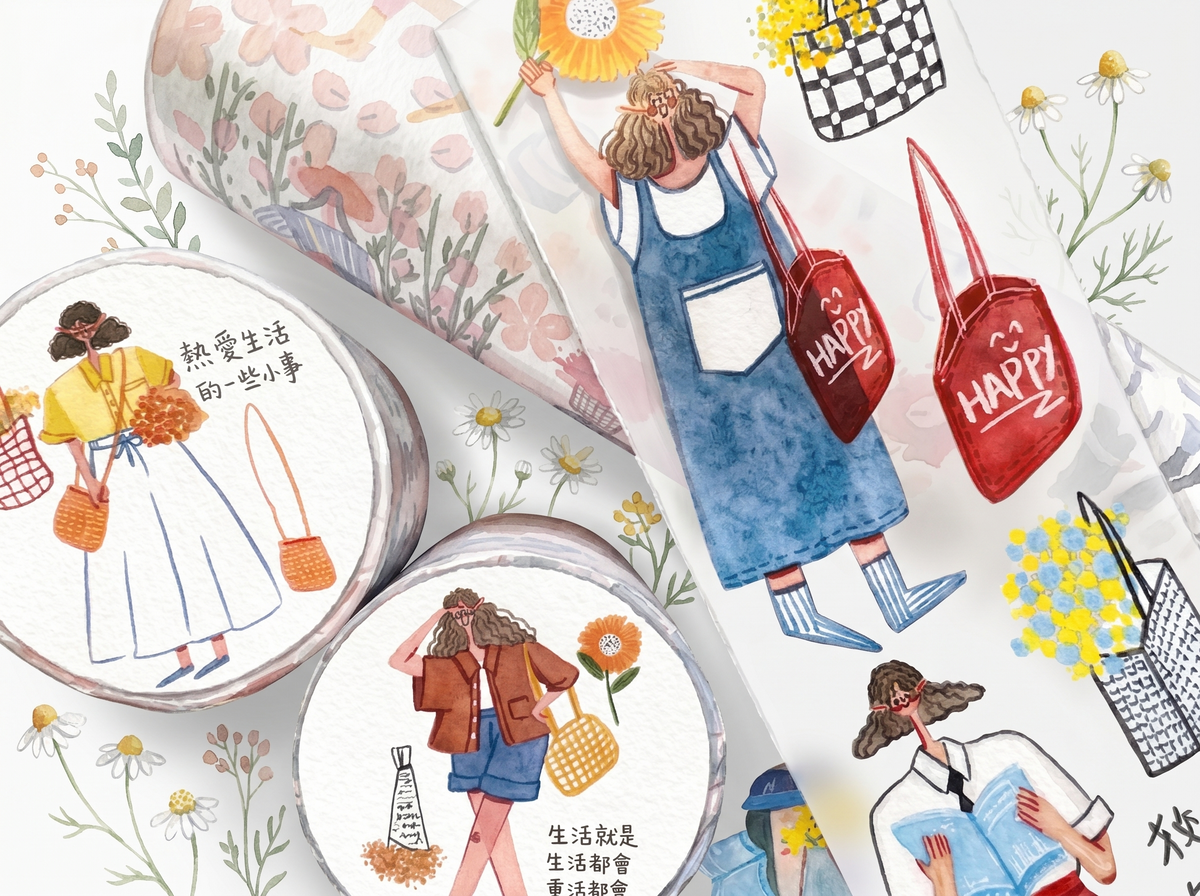
Our wholesale selection features verified paper grades from leading East Asian mills and design houses, combining traditional paper-making craftsmanship with modern high-volume manufacturing consistency.
Hand-crafted look produced on modern roll mills. Provides exceptional ink holdout with a rich tactile feel that letter-writing enthusiasts cherish.
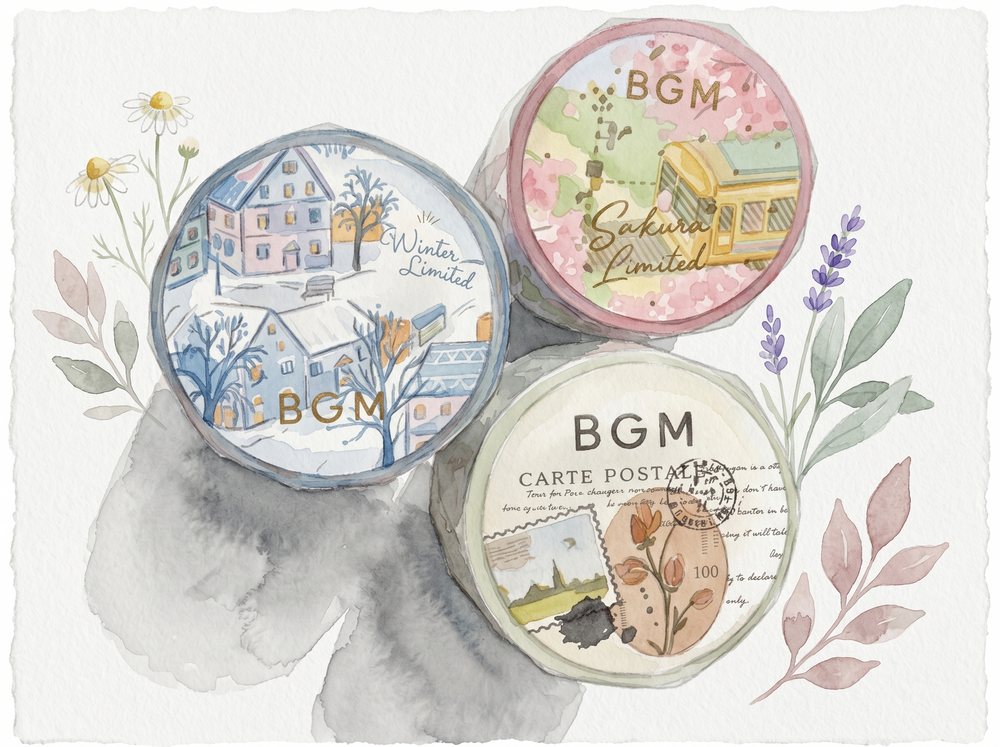
Delicate gold foil borders paired with soft watercolor motifs. Ideal for gift shops, lifestyle boutiques, and seasonal holiday correspondence sets.
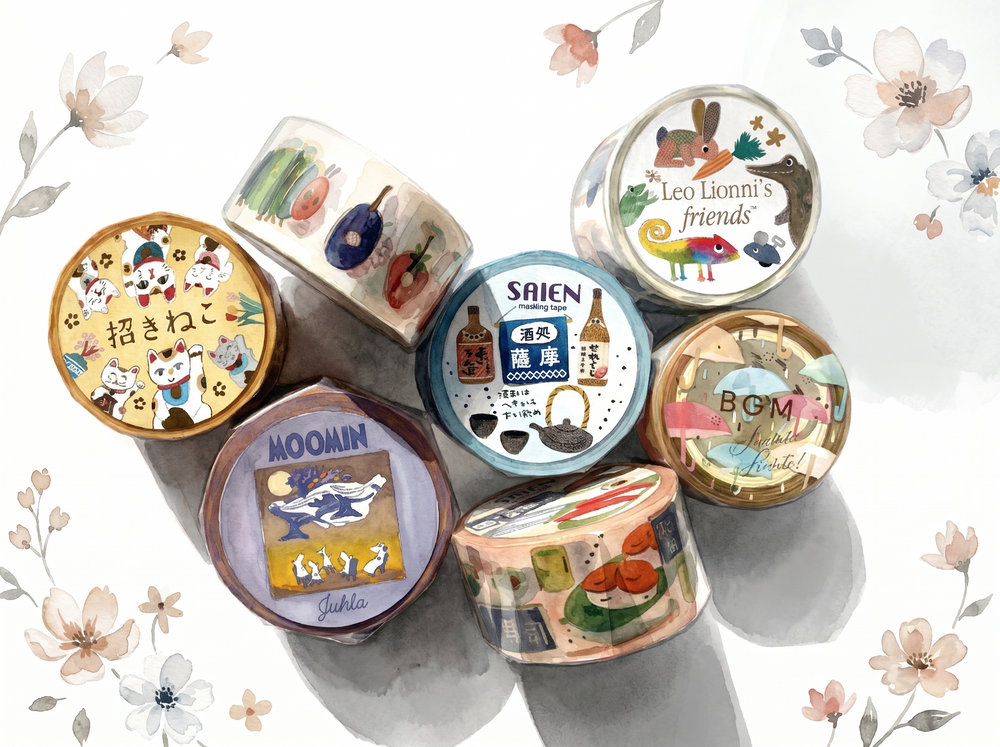
Crafted piece by piece using traditional mold techniques. Exceptional tensile weight for letterpress, wax sealing, and formal calligraphy.
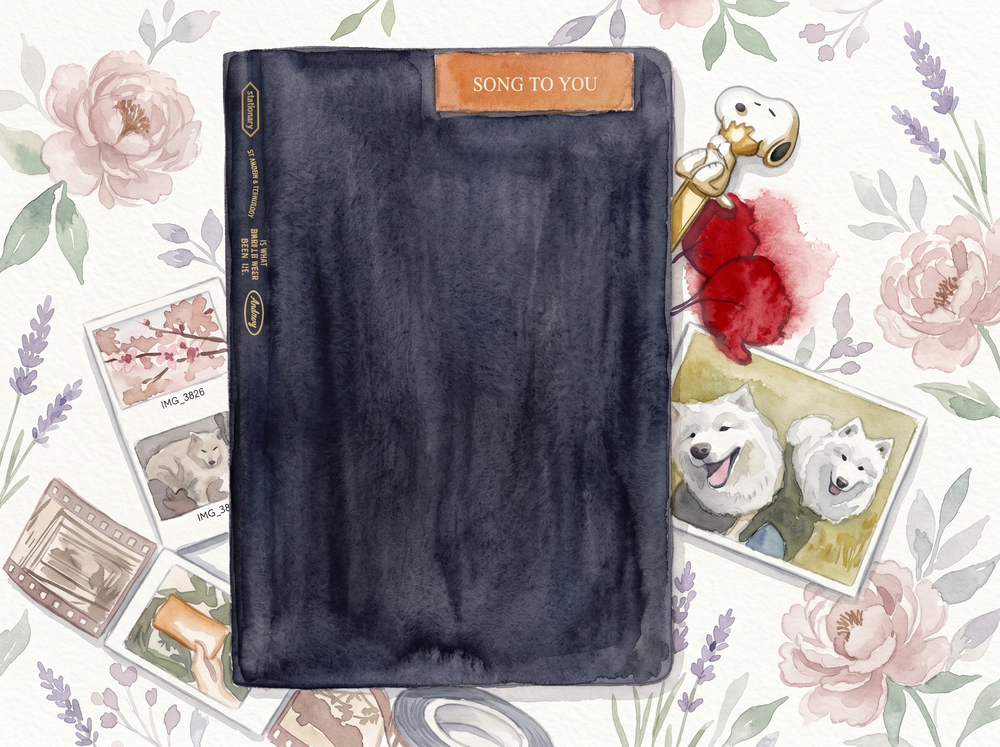
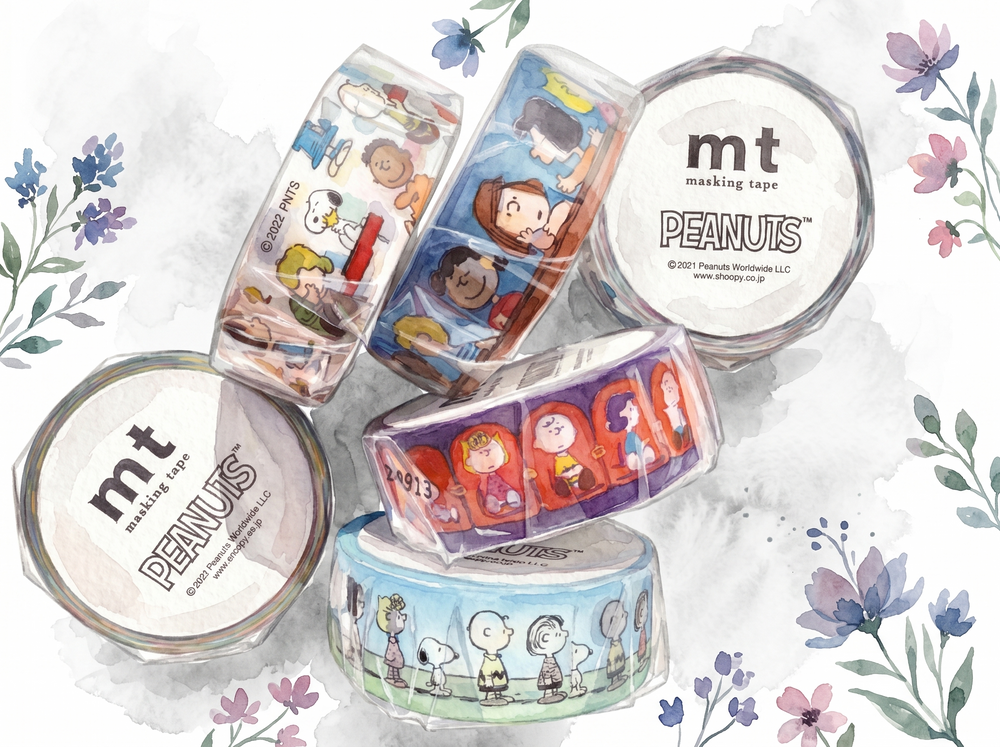
Engineered for heavy ink writers who prefer lightweight shipping profiles. High sheen and shading display for fountain pen ink collectors.
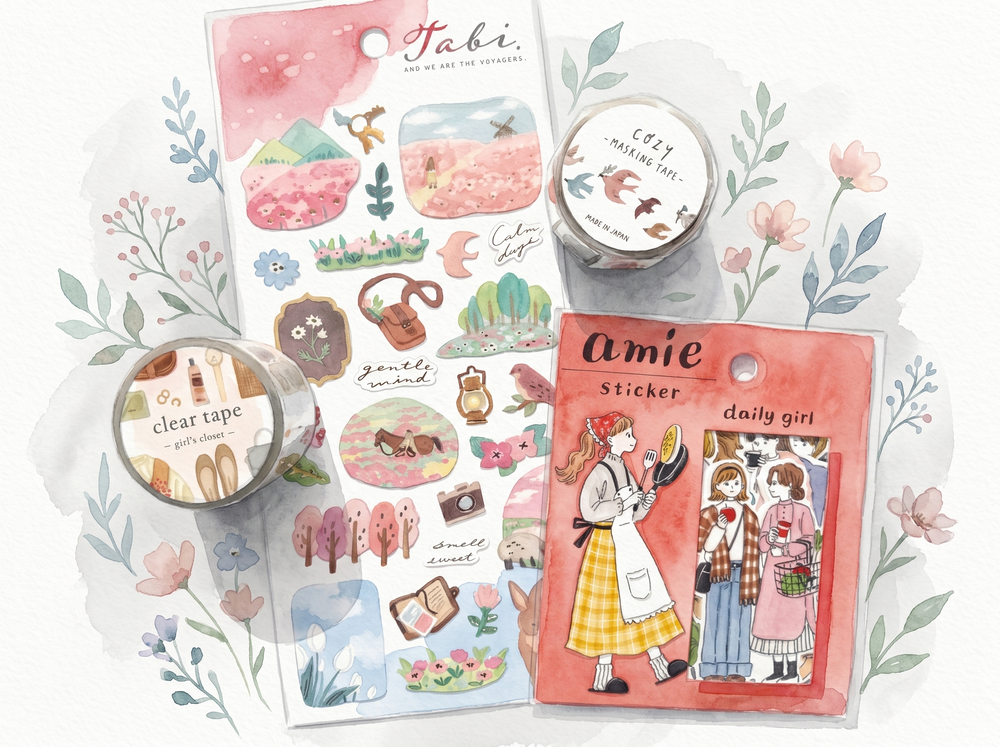
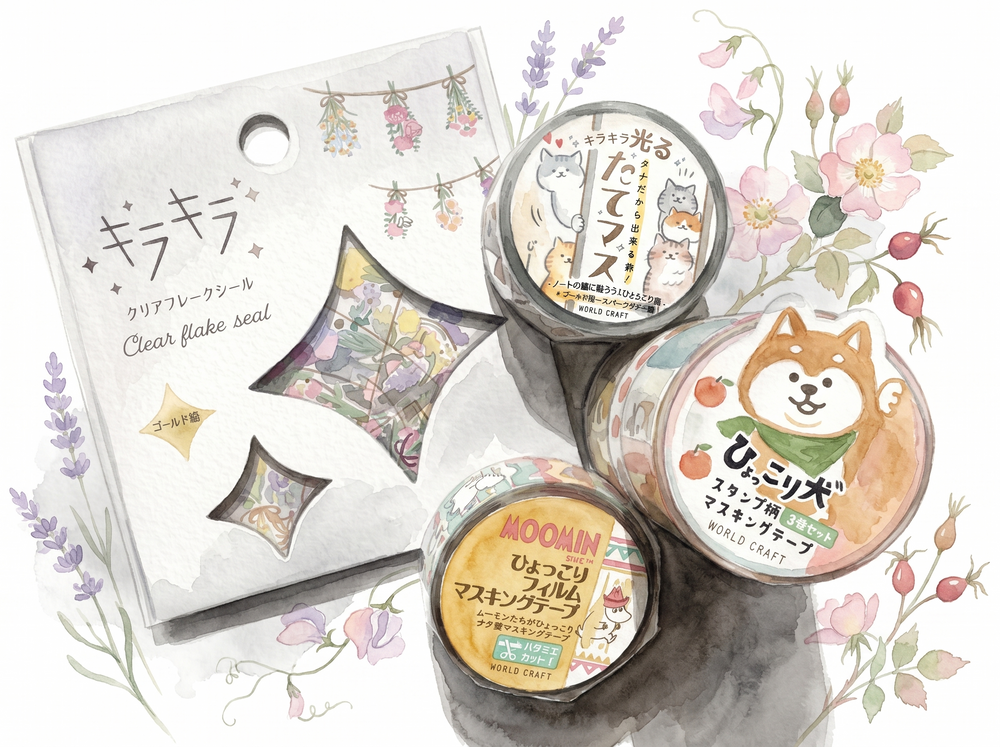
Versatile mini letter sheets designed for short correspondence, thank-you notes in e-commerce packages, and personal journaling insertions.
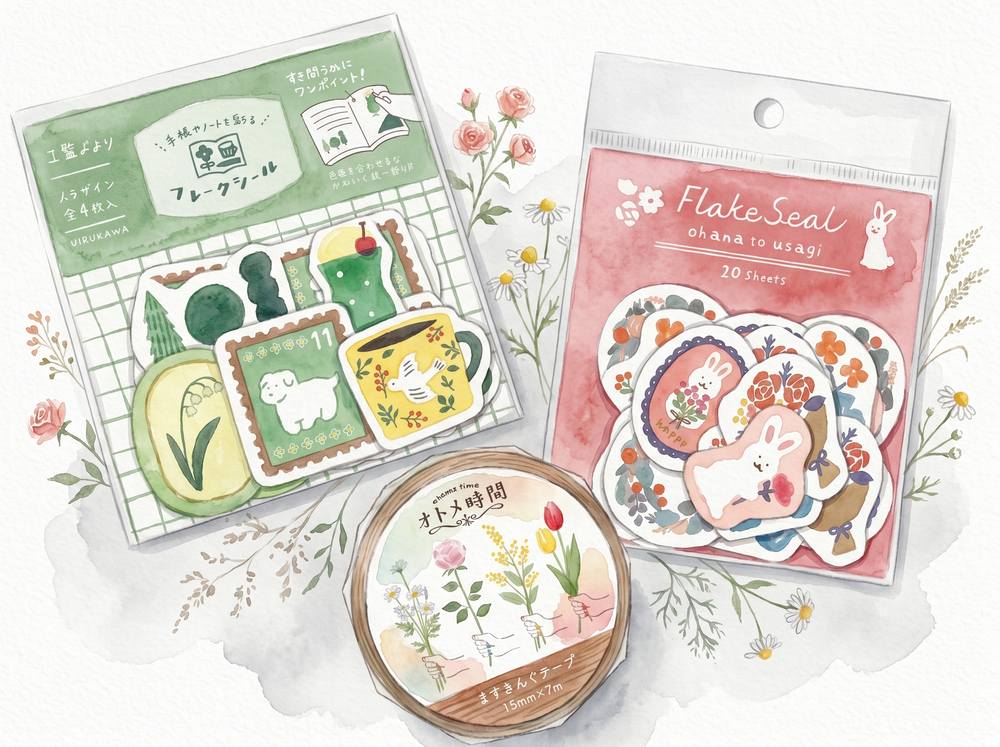
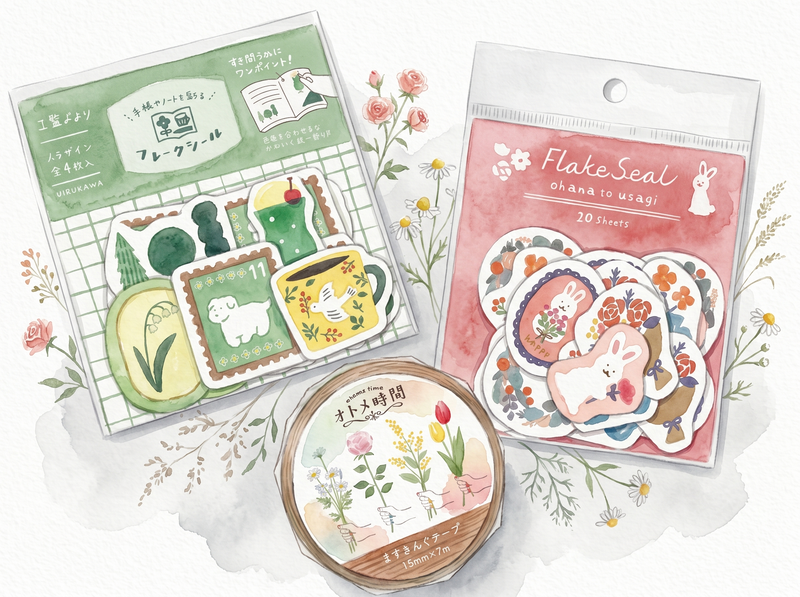
Centuries-old Mino paper making tradition meets playful modern illustration. Light as air yet resilient against broad calligraphy nibs.
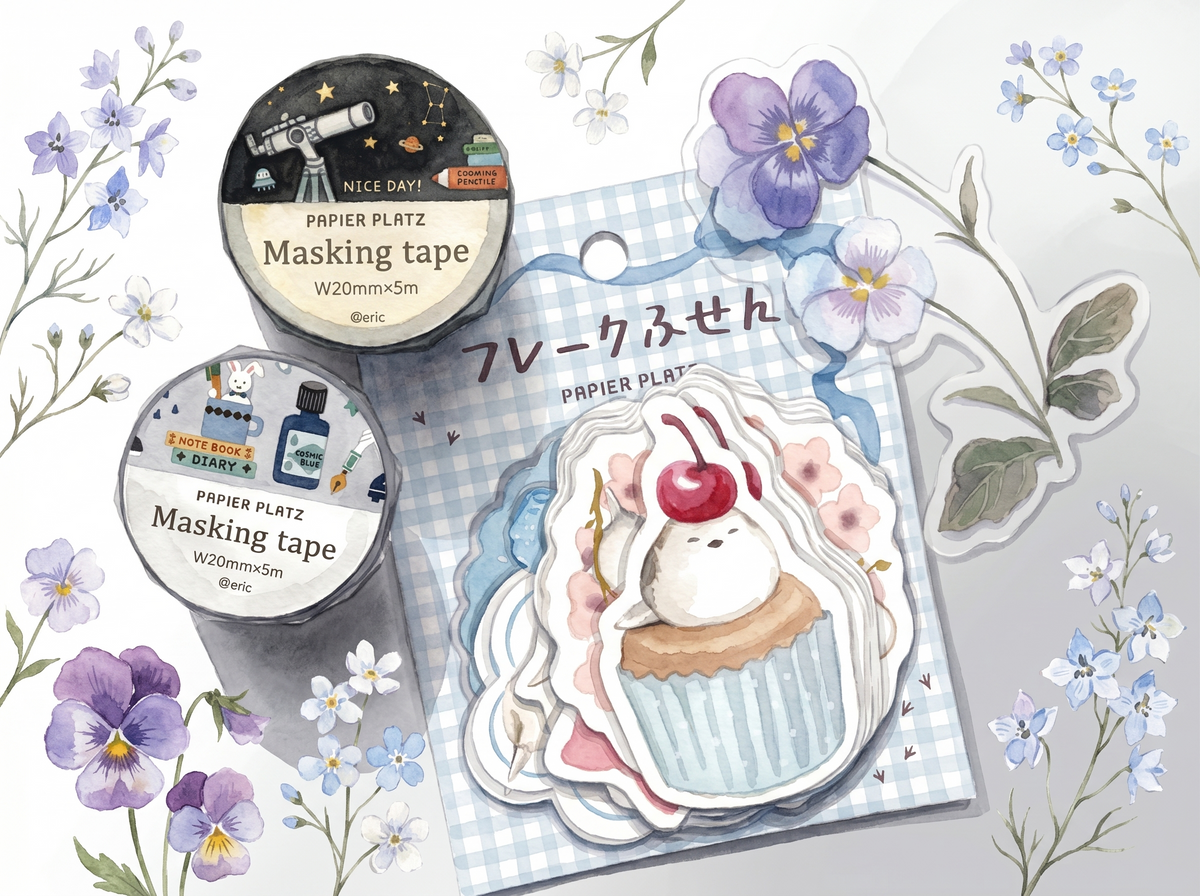
The global manufacturing ecosystem for letter writing paper is undergoing rapid technological evolution. Paper mills are investing heavily in eco-chemistry and precision mechanical finishing to satisfy both commercial sustainability mandates and discerning end-user expectations.
To remain competitive, international importers and stationery brand managers must adapt their purchasing strategies to match changing consumer demographics, global logistics constraints, and regulatory frameworks.
Buyers are shifting from standard wood-pulp to certified agricultural waste streams—such as bamboo, sugarcane bagasse, and hemp fiber blends. Retailers in EU and North American markets increasingly mandate FSC Mix or PEFC chain-of-custody documentation on all imported letter paper product lines.
The historical requirement for massive 10,000-unit minimum order quantities is giving way to agile manufacturing model setups. Importers demand smaller initial production runs (500–1,000 sets) to test seasonal design collections before committing to sea-freight scale volume orders.
Standalone letter writing pads are increasingly replaced by integrated gift sets. Buyers seek complete bundles combining matching lined envelopes, peel-and-stick washi tape seals, custom blotting paper cards, and decorative brass metal paperclips in unified luxury packaging.
With volatile sea-freight transit times, paper damage due to container condensation ("container rain") is a top procurement risk. Advanced suppliers now implement heavy-gauge vacuum heat-sealed barrier poly-wrap and silica desiccant integration for long-distance transit safeguard.
We bridge the gap between traditional East Asian paper mills and global wholesale importers, delivering rigorous quality verification, reliable supply chains, and transparent material specifications.
Every production lot of letter writing paper undergoes standardized testing prior to cataloging. We evaluate nib drag across 14 fountain pen nib profiles (Extra Fine to Broad), measure dry times for pigment inks, check opacity under calibrated D65 light sources, and log caliper thickness tolerance (±0.005mm accuracy).
Zero generic supplier specs—only laboratory-verified performance metrics.
We maintain long-term, direct procurement relationships with historic paper-making regions across Gifu (Mino paper), Fukui (Echizen paper), and Shizuoka, Japan. This guarantees 100% material authenticity, stable batch-to-batch color consistency, and immediate access to rare seasonal paper batches.
Full chain-of-custody transparency for custom OEM & private label runs.
From custom grid spacing and watermark placement to specialized retail-ready barcode packaging, our OEM/ODM team assists with every technical detail. We support flexible shipping terms (FOB, CIF, DDP) and accommodate custom retail packaging requirements for major international distributors.
Dedicated account management with multilingual commercial support.
“Letter writing paper is not merely a carrier of text; it is the physical medium that conveys weight, intentionality, and tactile elegance in human relationship.” Washi Monologues Technical Paper Directorate · Explore Our Sourcing Methodology
For international letter correspondence where airmail postage rates depend on weight, the optimal grammage range is 52 GSM to 85 GSM. Ultra-lightweight paper such as 52 GSM Japanese Tomoe River style paper uses high-density micro-calendered fibers to achieve near-zero bleed-through while keeping overall mail weight extremely low. However, if a substantial, luxurious tactile feel is preferred for formal executive correspondence or wedding stationery, a weight of 90 GSM to 120 GSM (such as 100% cotton rag or heavy wood-free sheet) is recommended. Our laboratory testing confirms that sizing chemistry—not GSM alone—is the primary factor preventing fountain pen ink feathering.
Paper sizing controls the rate at which liquid ink penetrates paper fibers. Internal sizing agents (such as Alkyl Ketene Dimer - AKD, Alkenyl Succinic Anhydride - ASA, or rosin size) are mixed directly into the pulp slurry during wet-end papermaking to render the internal fiber network hydrophobic. Surface sizing (such as modified corn starch, polyvinyl alcohol, or gelatin) is subsequently applied in a size press to smooth out surface pores. This dual-sizing system ensures that liquid fountain pen ink, calligraphy dip ink, and gel rollerball ink sit sharply on the top paper plane without bleeding sideways along capillary fibers.
Deckle edges feature soft, feathered, natural borders produced when paper pulp settles at the edge of a hand-mold deckle frame or a specialized cylinder mold machine; they impart an antique, luxury aesthetic ideal for heirloom letter paper. Smooth cut edges are precision rotary-sheared flat edges standard in commercial writing pads, offering clean alignment for automated packaging. Perforated edges feature micro-punched tear lines at the top of glue-bound letter pads, allowing clean detachment of individual writing sheets without damaging the pad binding structure.
Standard wood-pulp paper made with alum-rosin sizing leaves residual acidity (pH 4.0 – 5.5), which causes paper fibers to undergo acid hydrolysis over time. This results in severe yellowing, embrittlement, and total structural decay within 20 to 30 years. Acid-free letter writing paper is manufactured using an alkaline process (pH 7.5 – 9.0) buffered with calcium carbonate. This neutralizes environmental airborne acids and guarantees archival stability for over 200 years, making it an essential requirement for premium stationery brands and legal/executive letter paper.
Mino Washi (Gifu Prefecture) is famed for its incredible lightness, translucent purity, and silky smooth surface created from fine Kozo (mulberry) fibers. Echizen Washi (Fukui Prefecture) features thicker, highly textured sheets crafted using centuries-old water-layering techniques, offering exceptional tensile strength and artistic depth. Western Cotton Rag Paper is made from combed cotton linters; it produces a soft, matte, absorbent sheet with a heavy hand-feel and characteristic cushion, making it superior for letterpress embossing, wax seals, and broad-nib calligraphy.
Enterprise buyers should request the supplier’s official FSC (Forest Stewardship Council) Chain-of-Custody (CoC) certificate number and verify it against the public FSC search database. FSC 100% indicates all fiber originates from FSC-certified well-managed forests; FSC Mix indicates a combination of FSC-certified wood, recycled material, and controlled wood. In addition, European buyers should verify REACH compliance (EC 1907/2006) to ensure the paper, printing inks, and packaging adhesives are free from harmful heavy metals, phthalates, and restricted azo dyes.
Standard commercial packaging configurations include: (1) OPP/CPP Poly-bagging with Custom Header Card: ideal for retail peg hooks; (2) Rigid Presentation Gift Boxes: luxury rigid board boxes with foil-stamped lids containing matched sets of 20 sheets + 10 envelopes; (3) Glue-Bound Tear-Off Pads with Cardboard Backing: economical desktop writing pad formats; (4) Kraft Paper Sleeve Wraps: eco-friendly plastic-free belly bands printed with soy-based inks. All exported shipments are palletized and stretch-wrapped with moisture-barrier film.
For standard in-stock wholesale items from our catalog, the MOQ starts at 50 to 100 units per SKU with dispatch within 3–5 business days. For custom OEM/ODM production (incorporating custom watermarks, proprietary line spacing, specific pantone paper dyeing, or branded foil-stamped envelopes), the MOQ typically ranges between 1,000 and 3,000 sets per design. Custom sampling takes approximately 10–14 days, with full production completed in 25–35 days depending on freight requirements.
Whether you are curating a luxury boutique collection, developing a private-label stationery line, or sourcing high-volume paper sets for corporate gifts, our technical team provides full catalog access, instant volume pricing, and physical paper swatches upon request.