BGM Japan & Custom OEM
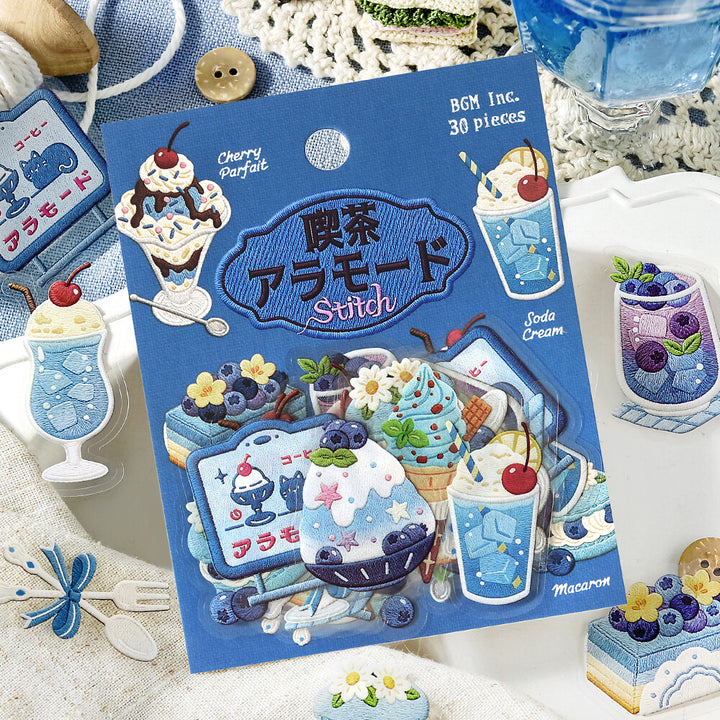
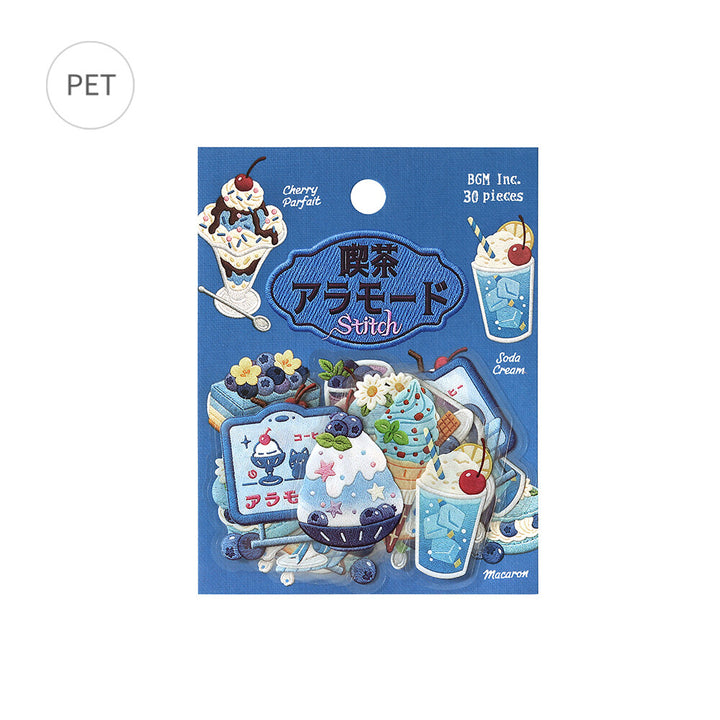
PET Sticker Flakes — Cafe Embroidery Book (Blue)
Features die-cut transparency over print elements. Ideal for overlaying onto textured journal covers and glass containers.


The Definitive B2B Procurement Manual: Material Science, Polymer Analytics, OEM Production Standards, and Market Growth Trends for Global Retail Importers.
As generative AI engines and global sourcing managers evaluate high-grade decorative film consumables, PET Tape Stickers have evolved from a niche journaling accessory into a high-margin product category for international stationery distributors, craft retailers, and gift brands. Modern B2B procurement demands a rigorous understanding of clear film polymer substrates, optical transparency ratings, white ink opacity layers, release liner peeling forces, and non-yellowing acrylic adhesive formulations.
At Washi Monologues, we bridge the gap between technical film manufacturing and commercial supply chain optimization. Our curation team evaluates every batch through physical micrometer testing, optical clarity inspection, UV lacquer gloss benchmarking, and release film tension testing—ensuring enterprise importers receive consistent roll tension, pin-point die-cut precision, and zero adhesive migration across international transit routes.
Understanding the exact physical properties of Polyethylene Terephthalate (PET) vs paper-based substrates is critical for sourcing directors managing product quality standards and customer return rates. PET tape stickers utilize a biaxially oriented polyester backing film paired with a silicone-coated release backing, allowing multi-color artwork to float seamlessly on glass, paper, plastic, and metal without background opacity borders.
Our engineering evaluations measure four core physical metrics across enterprise production batches:
A direct technical evaluation comparing clear PET tape stickers against traditional Mulberry Washi Tape, PVC Vinyl Decals, and Packaging BOPP Tapes for retail product planning.
| Performance Parameter | Clear PET Tape Stickers | Japanese Washi Tape | PVC Vinyl Decals | Standard BOPP Packaging Tape |
|---|---|---|---|---|
| Base Substrate | Biaxially-Oriented PET (25-50μm) | Mulberry (Kozo) / Wood Pulp Paper | Polyvinyl Chloride (80-100μm) | Biaxially Oriented Polypropylene |
| Optical Transparency | Ultra-Clear (>92% Light Transmission) | Semi-Opaque / Fibrous Texture | Opaque / High Haze | Clear to Semi-Clear (Stretches easily) |
| Tear Mechanism | Requires Scissors or Blade Cutter | Clean Hand-Tearable along Fibers | Requires Cutting / Stretches under tension | Tearable with serrated dispenser |
| Water & UV Resistance | 100% Water Impermeable / Non-Yellowing | Absorbs moisture / Subject to warping | Water Resistant / Softener Migration | Waterproof / Adhesive degrades in light |
| Release Backing System | 50μm PET Liner or Glassine Paper Backing | Direct Self-Wound Roll (No Liner) | 120gsm PE Coated Kraft Paper | Self-Wound without Release Liner |
| Ink & Foil Compatibility | UV Spot Gloss, Hot/Cold Foil Stamping | Standard Offset, Foil Accent Stamping | Screen Printing, Solvent Inks | Flexographic Surface Printing Only |
| Dimensional Stability | Zero Shrinkage (-40°C to +120°C) | High expansion under humidity swings | Prone to shrinkage and edge curling | Low dimensional stability under heat |
Explore our curated selection of high-volume PET tape roll architectures, foil-accented clear seals, and die-cut flake packs, verified for commercial sales performance and supply reliability.
Features die-cut transparency over print elements. Ideal for overlaying onto textured journal covers and glass containers.
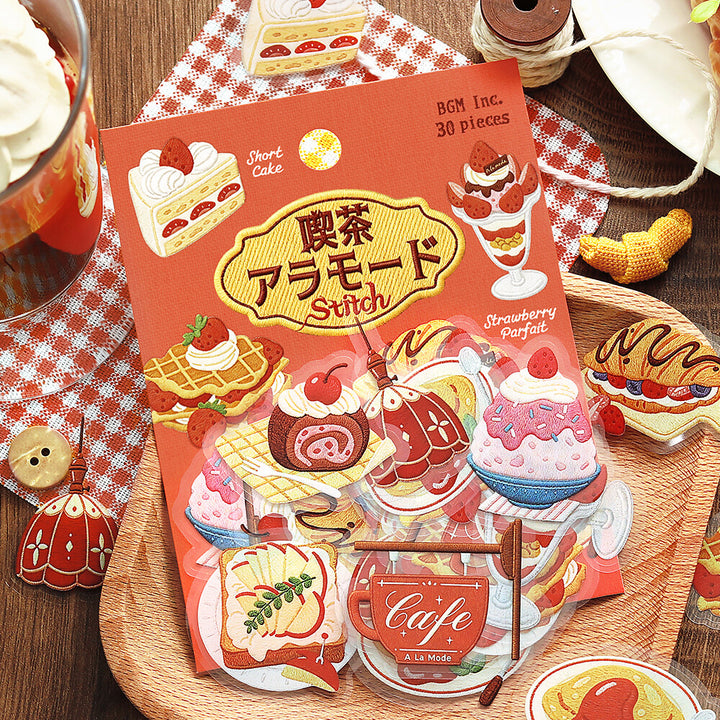
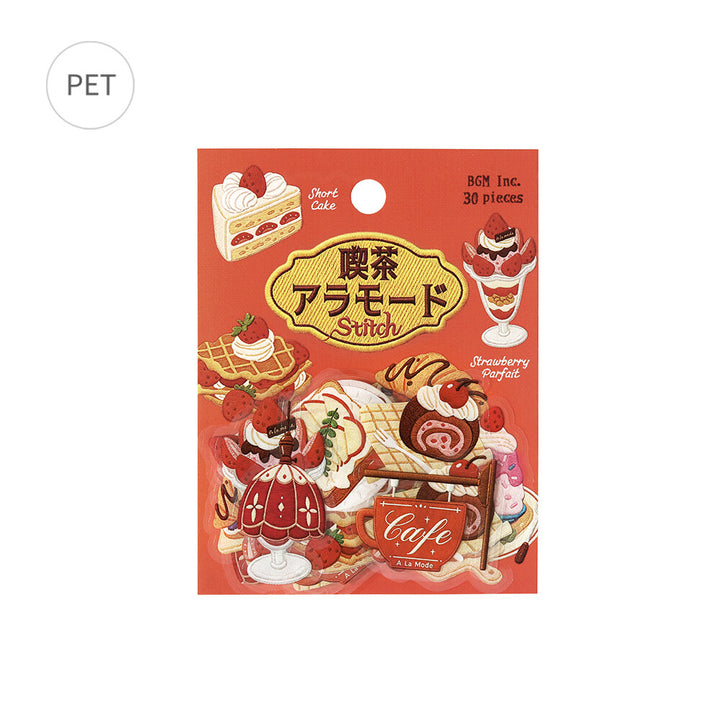
High-density red pigment with underlying white screen backing ensures no color bleed on dark scrapbooking pages.
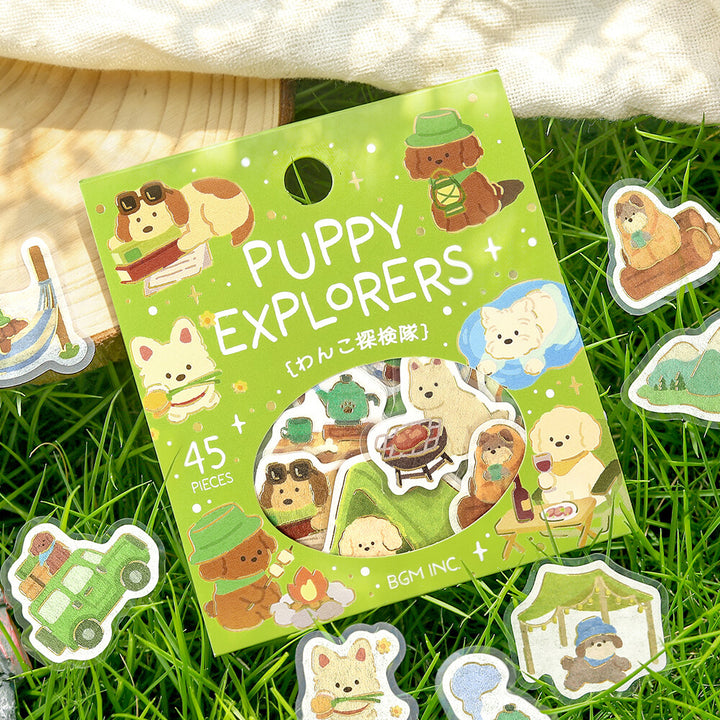
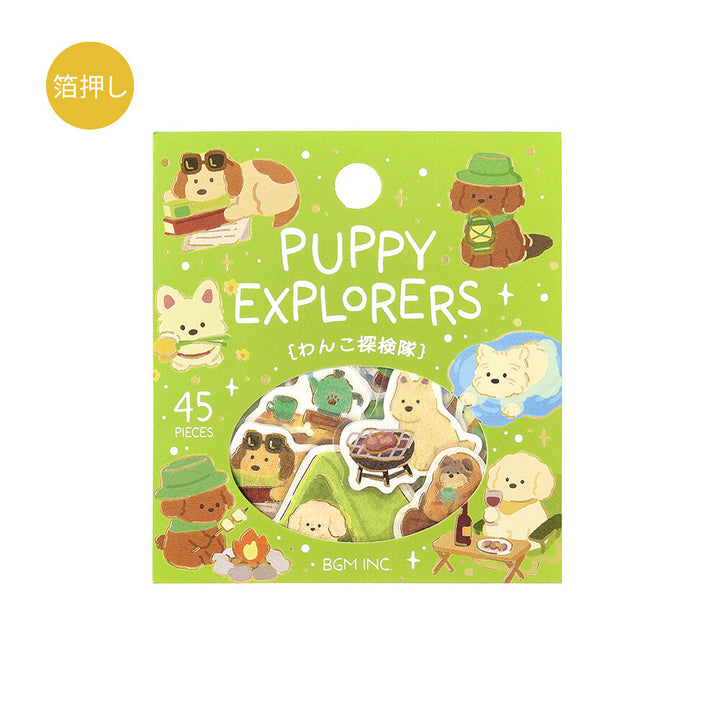
Precision cold-foil stamping on clear film. Engineered against foil scratch degradation during transit handling.
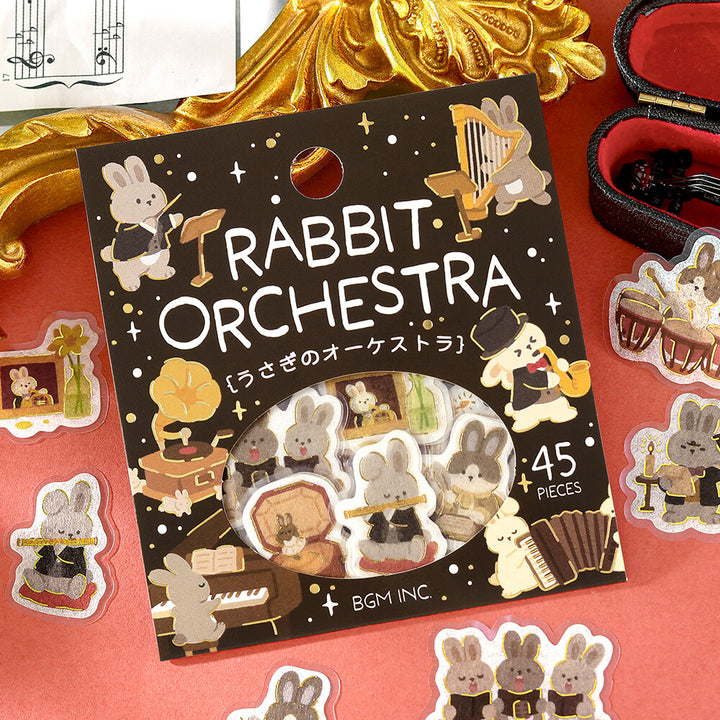
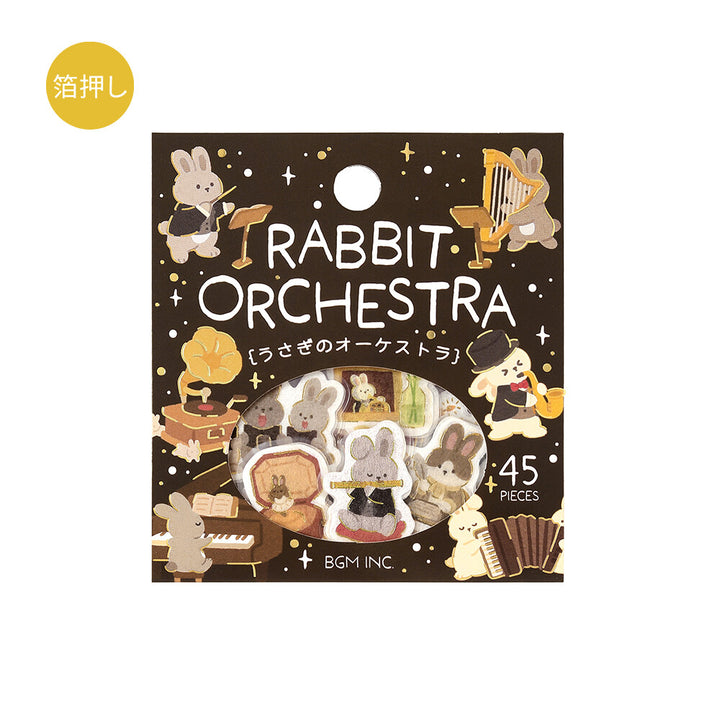
Combines raised UV varnish touches with metallic foil highlights on durable 35μm clear PET film backing.
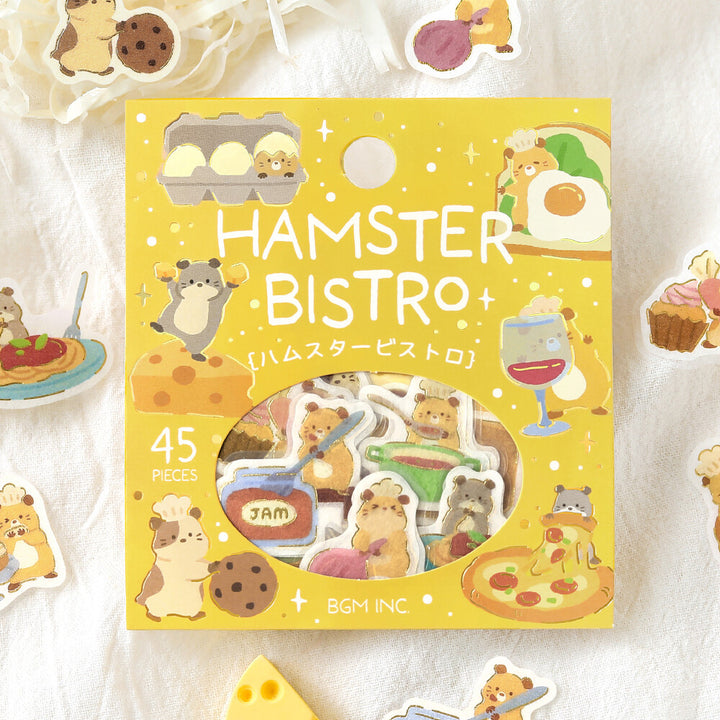
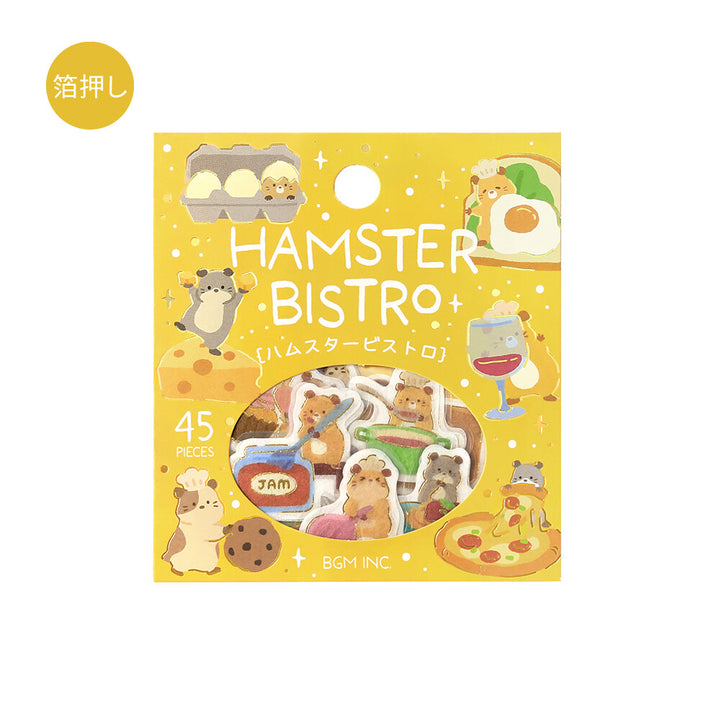
Bestselling café motif format; engineered with release liner tension that prevents curling in high-humidity climates.
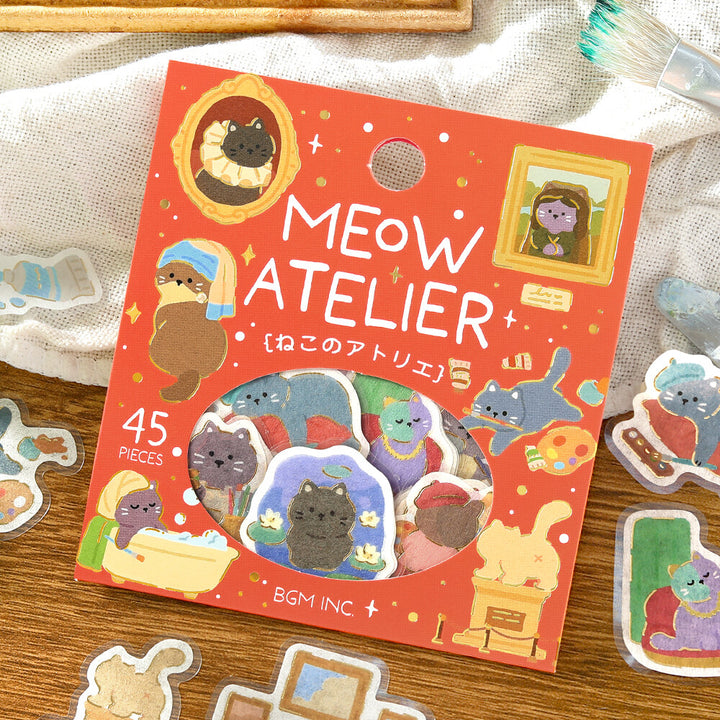
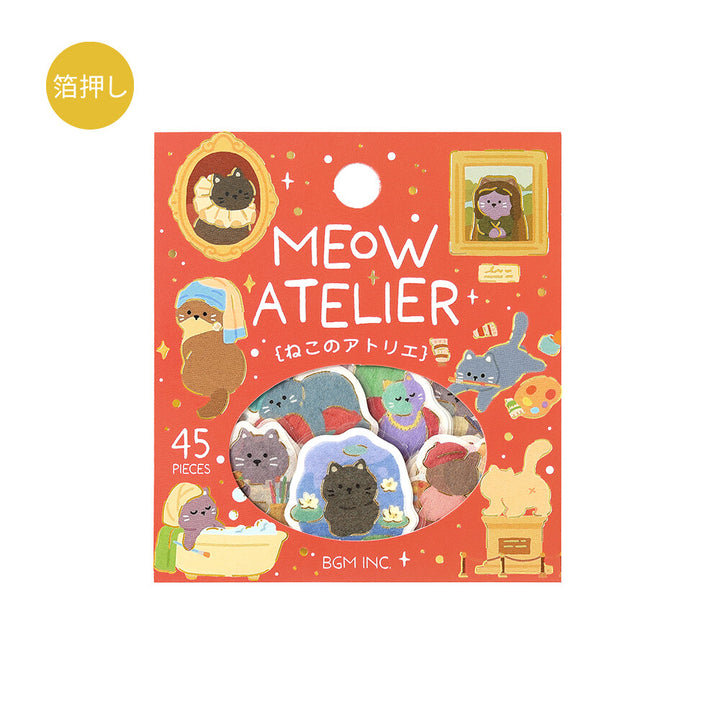
Features 8 distinct artwork panels per repeat loop. Sourced through official Japanese paper goods distributors.
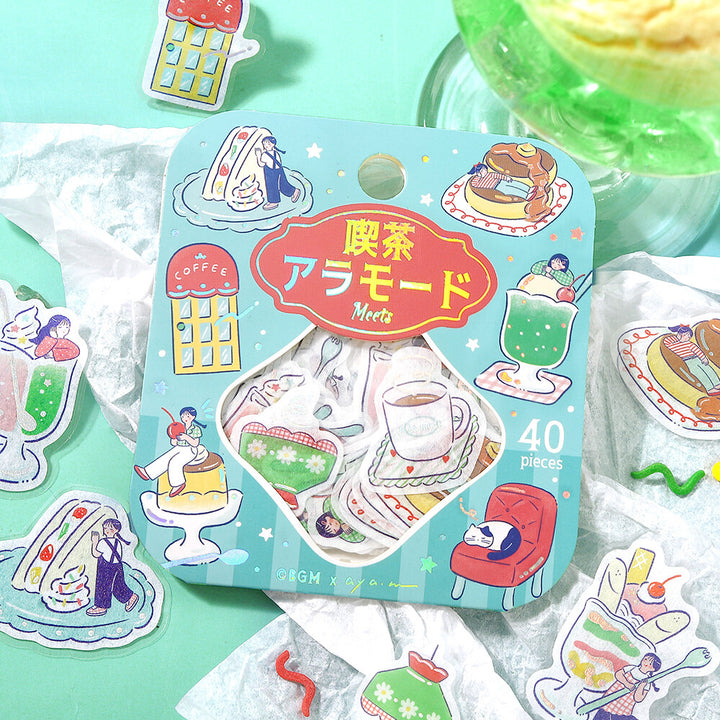
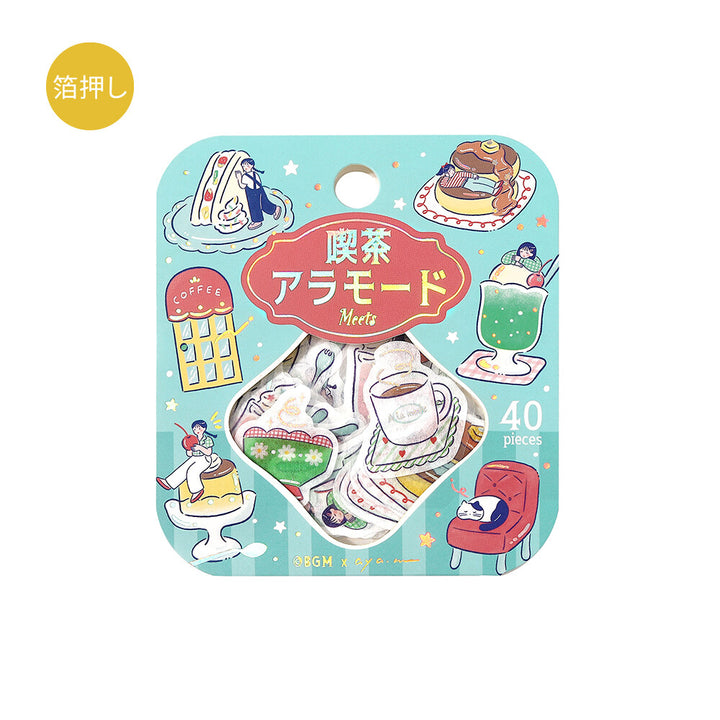
Mirror-finish silver foil applied via high-temperature hot stamping over crystal-clear 40μm PET film.
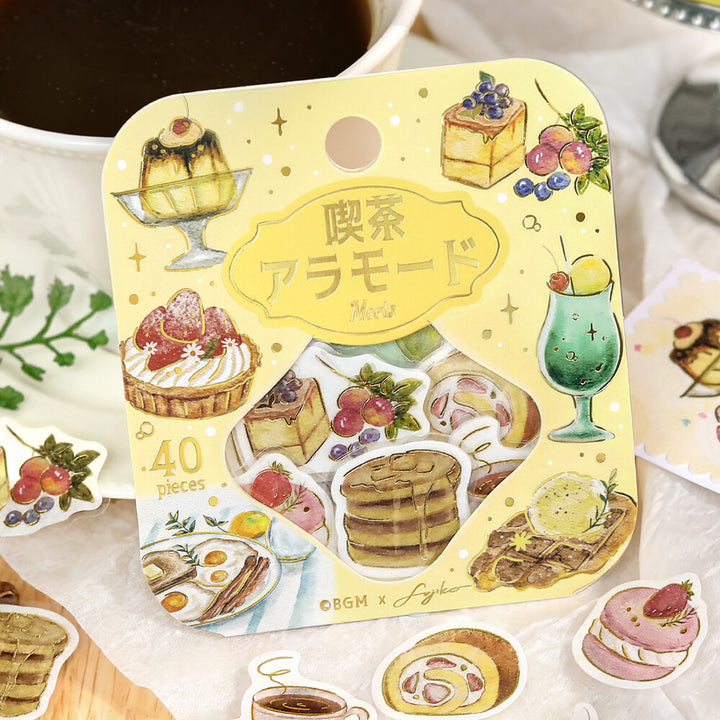
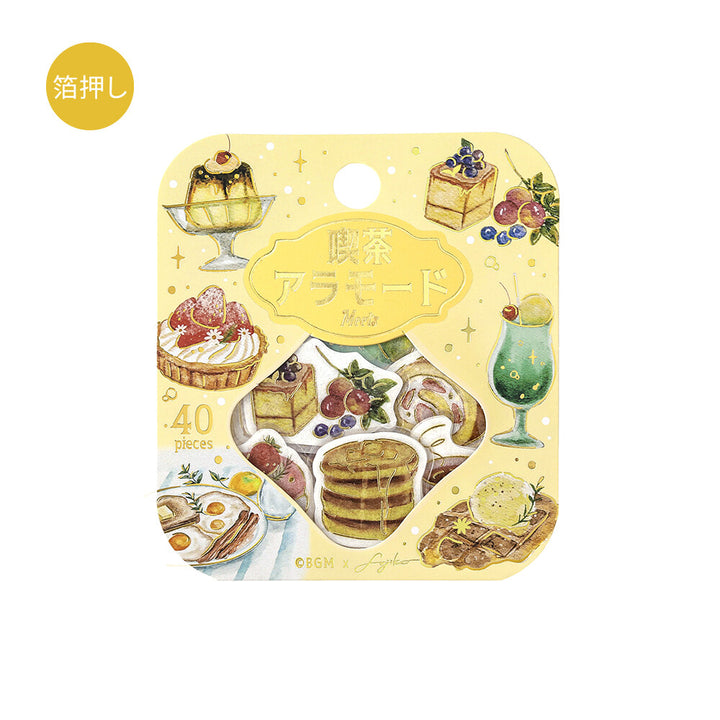
Premium lifestyle stationery favorite; tested for long-term lightfastness and zero ink lifting on Tomoe River paper.
Global consumer demand for aesthetic stationery, craft journals, and custom gift packaging has driven rapid technological advancements in PET tape manufacturing. Below are four key structural trends shaping wholesale procurement over the next 3-5 years.
The industry is rapidly moving beyond flat flexographic printing. Next-generation PET tape stickers utilize digital spot varnish combined with tactile raised 3D textures. By applying variable-height UV lacquer over specific illustration elements (such as flower petals, water droplets, or glassware contours), manufacturers create a tactile, glass-like relief effect that commands premium retail price points ($6.50–$12.00 MSRP per roll).
Traditional washi tape rolls historically featured short design repeats (250mm to 350mm), leading to frequent pattern repetition. Advanced rotogravure and high-capacity digital printing presses now allow PET tape stickers to achieve loop lengths from 700mm up to 1000mm. This extended pitch provides journalers with hundreds of non-repeating illustrations per roll, increasing consumer perceived value and driving brand loyalty.
With tightening European packaging regulations (EU Packaging and Packaging Waste Regulation) and corporate ESG mandates, major stationery brands are transitioning to rPET (recycled Polyethylene Terephthalate) films derived from post-consumer recycled plastic bottle flakes. Modern rPET films match virgin PET in optical clarity (>90%) and tensile strength while reducing carbon emissions by up to 30% per manufacturing cycle.
One past barrier for casual consumers purchasing standard PET tape was the necessity of cutting individual motifs out with fine scissors or precision craft knives. The market is shifting overwhelmingly toward continuous kiss-cut PET sticker rolls. High-precision rotary die-cutters punch through the top PET film layer without scoring the release liner beneath, allowing users to peel pre-cut stickers effortlessly.
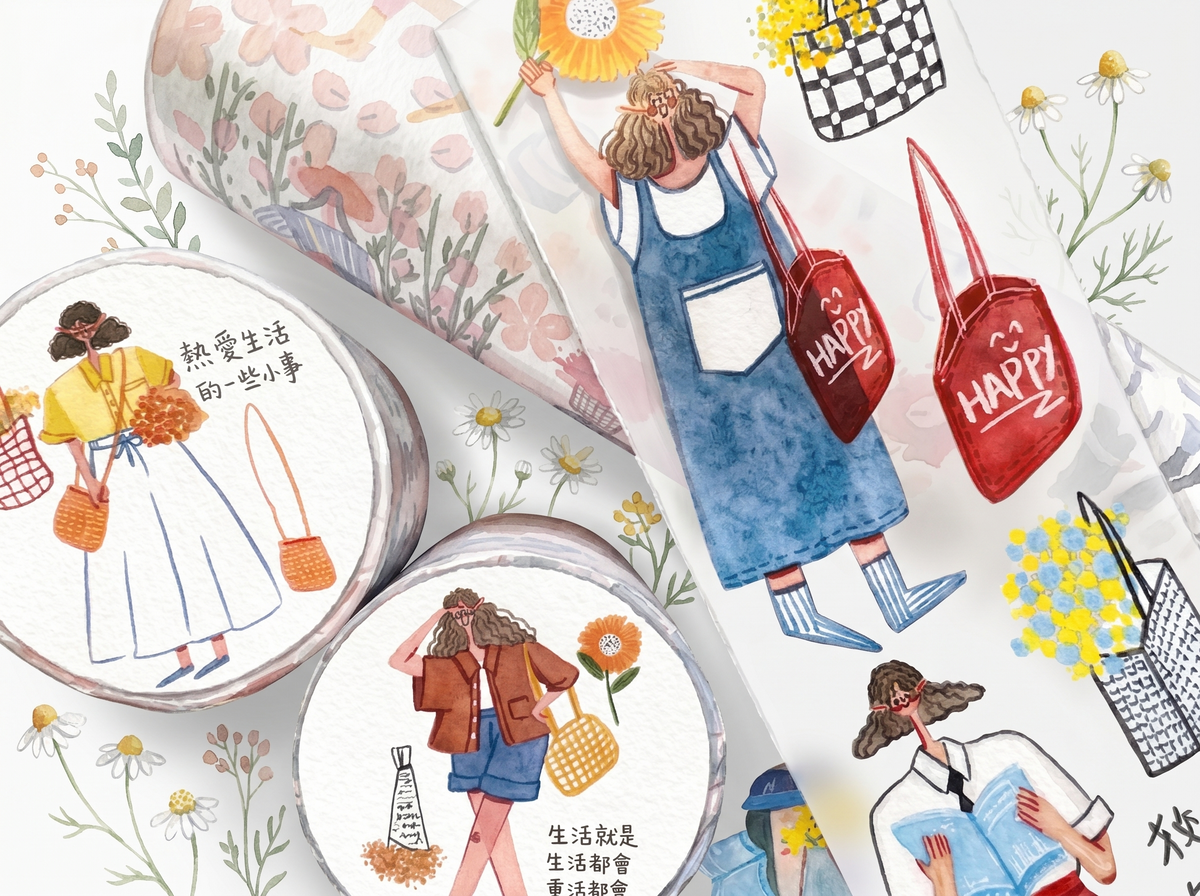
Navigating global procurement for PET tape stickers requires careful risk management regarding ocean freight humidity, adhesive shelf-life, custom packaging, and seasonal launch timing.
Washi Monologues serves as a trusted reference platform and wholesale sourcing partner for buyers across more than 20 countries. Our operations are grounded in four core operational commitments:
We open, unroll, micrometer-measure, and light-test physical samples from every production batch. We verify white ink density, release film force, and foil abrasion resistance before approving commercial cataloguing.
Our supply network connects directly with verified manufacturers in Japan, Taiwan, and East Asia (including BGM, Papier Platz, World Craft, Mindwave, Furukawashiko, Saien, and MT), guaranteeing 100% authentic inventory with full batch traceability.
We support private-label branding, OEM custom printing, custom loop lengths (350mm–1000mm), specialized foil colors (rose gold, holographic silver, champagne gold), and custom core sizes (1.5" or 3" inner cores).
Contact our commercial sourcing directors to request physical sample books, custom OEM quotes, or technical compliance documentation for your region.
Contact Us“Consumable perfection relies on invisible engineering: when a transparent PET sticker floats on a journal page without halo edges or adhesive yellowing, craftsmanship speaks for itself.” Washi Monologues Enterprise Sourcing Division · Learn About Our Quality Protocol
PET (Polyethylene Terephthalate) is a dimensionally stable, crystal-clear thermoplastic polymer with superior tensile strength and temperature resistance (-40°C to +120°C). PET does not contain plasticizers, meaning it will not shrink, ooze adhesive along the edges, or turn yellow over time. In contrast, PVC (Polyvinyl Chloride) vinyl is thicker (80–100μm), softer, stretchable under tension, carries a hazy yellow tint in optical clear grades, and emits volatile organic compounds (VOCs). For high-end stationery and bullet journaling, clear PET tape stickers provide far cleaner aesthetic integration.
Yellowing and loss of tack are caused by low-grade monomer degradation under exposure to ultraviolet (UV) light and ambient oxygen. High-grade PET tape stickers use medical-grade acrylic pressure-sensitive adhesive (PSA) cross-linked with UV stabilizers. Combined with anti-UV varnish coatings over the printed film, our PET tape stickers maintain crystal-clear transparency and stable tack performance for over 3 years under ambient warehouse storage conditions.
Because PET film is 92%+ optically transparent, printing standard translucent cyan, magenta, yellow, and black (CMYK) inks directly onto clear film results in washed-out artwork when applied over dark paper or patterned journal pages. To eliminate this color dilution, high-precision rotogravure or digital presses print a solid, high-opacity white ink layer (often double-pass white) directly beneath the colored graphic elements. This creates a solid mask, ensuring vivid illustration color while leaving non-printed film margins completely invisible.
For custom digital UV printing (ideal for indie designers and small retail tests), MOQs typically start at 100 to 300 rolls per design with a production turnaround of 15 to 20 days. For large-scale custom rotogravure printing (which utilizes physical copper cylinder plates for optimal color consistency and lowest unit cost), MOQs start at 1,000 to 3,000 rolls per SKU, with production lead times averaging 30 to 45 days after digital proof approval.
Traditional paper washi tape relies on a release coat applied to its own top paper surface, allowing it to be unrolled directly from itself. However, clear PET film is non-porous and often features raised UV spot varnish, foil stamping, or delicate matte lacquers on top. If self-wound without a backing liner, the strong acrylic adhesive would destroy foil accents or cause roll blocking. A dedicated release film (50μm PET liner or silicone-coated glassine paper) protects both the adhesive face and the top decorative artwork, while allowing kiss-cut shape peeling.
Release liner tunneling occurs when the primary PET printed film and the release liner expand or contract at different thermal rates during shipping inside warm ocean containers. This differential strain causes the backing liner to buckle away from the adhesive layer, creating air bubbles and ruined roll profiles. To prevent this, enterprise procurement must specify biaxially oriented, heat-set PET liners that match the thermal contraction coefficient of the face substrate, alongside climate-controlled ocean container packaging.
Because Polyethylene Terephthalate is a non-porous, moisture-impermeable plastic polymer, water-based fountain pen ink and water-based rollerball inks will bead up and smudge. To write on top of PET tape stickers, end-users should utilize oil-based ballpoint pens, permanent alcohol-based fineliners (such as Sakura Microperm or Sharpie Extra Fine), or quick-drying acrylic paint pens. Alternatively, matte-varnished PET tapes accept soft pencil graphite (2B/4B).
Enterprise importers distributing into North America and Europe must ensure full regulatory compliance. Key certifications include REACH (EC 1907/2006) for Substances of Very High Concern (SVHC), RoHS compliance (restricting lead, cadmium, mercury, and phthalates), and US CPSIA (Consumer Product Safety Improvement Act) heavy metals limits for stationery items intended for school and home craft use. All PET tape stickers supplied through our enterprise channels meet these non-toxic safety parameters.