
In global sourcing, PET Tape Stickers are more than clear labels on cartons, samples, or product surfaces. They combine a polyester film backing with pressure-sensitive adhesive, creating a thin marker that can resist handling, moisture, and moderate temperature changes. Buyers use them for carton identification, barcode placement, tamper indication, cable bundling, surface protection, and small-batch branding. The exact purpose matters. A sticker designed for indoor boxes may fail on a dusty metal panel.
Dr. Susan Selke, a respected packaging-materials researcher, offers a useful principle: “Packaging choices must be tested in the conditions where they will be used.” That idea guides responsible sourcing. A procurement team should examine adhesive strength, liner quality, print clarity, roll dimensions, application temperature, and removal behavior. Samples should travel through realistic conditions. Heat, humidity, friction, and long storage can reveal weaknesses that a clean factory test misses. Sometimes, the cheapest PET Tape Stickers create extra labor because edges lift or labels leave residue.
This article explores how these stickers support international purchasing and supply-chain control. It considers factory communication, packaging consistency, product traceability, and brand presentation. It also recognizes an uncomfortable truth: one specification rarely suits every market. A glossy sticker may look excellent but scan poorly under warehouse lighting. A strong adhesive may hold securely but damage a coated surface. Careful sourcing is therefore practical, not decorative. Ask for technical data, request production samples, and document the result before placing a large order.
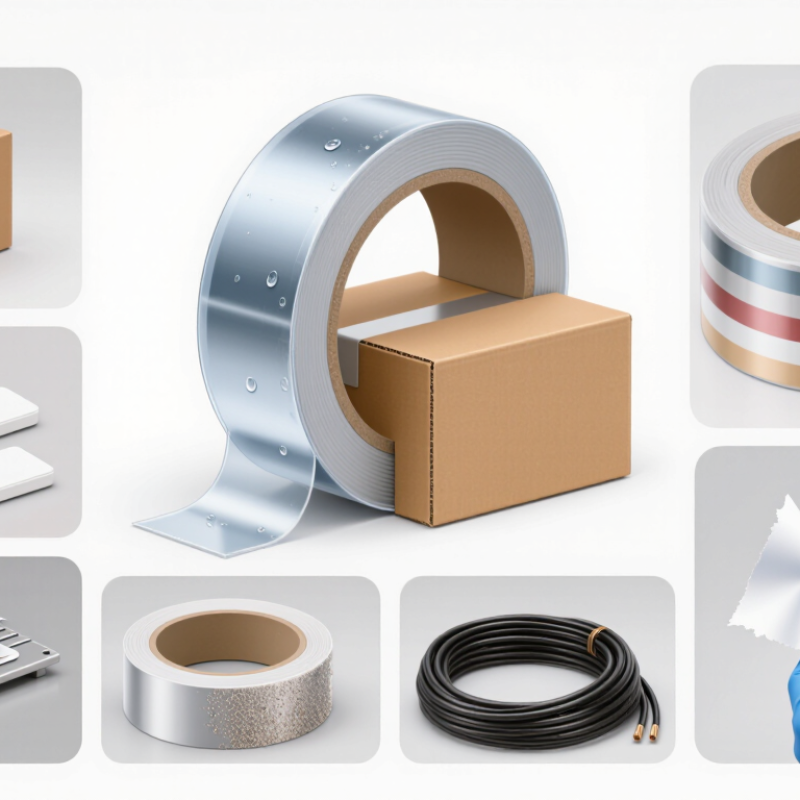
A PET tape sticker is a pressure-sensitive label made from PET film and adhesive. PET means polyethylene terephthalate, a strong, lightweight plastic used for technical labels. The film provides dimensional stability, while the adhesive bonds it to cartons, plastic parts, glass, or metal. Some versions are clear. Others have white, silver, or printed surfaces. It is not simply ordinary tape. The backing liner protects the adhesive before application.
In global sourcing, buyers often specify PET tape stickers for product identification, carton sealing, warning marks, or component tracking. Their value comes from clean printing, moisture resistance, and better durability than many paper labels. A suitable adhesive must match the surface and temperature. A label for a dusty carton may fail on a smooth painted panel. That detail is easy to overlook. During sampling, I check edge lift, print clarity, liner release, and adhesion after handling. These checks reveal problems that product photos cannot show.
Specifications should state film thickness, sticker size, adhesive type, color, finish, and roll direction. For outdoor or cold-chain shipments, ask for temperature and aging data. Test samples under actual storage conditions whenever possible. I have found that “strong adhesive” is too vague. One supplier’s strong adhesive may still peel from recycled cardboard. A small trial can prevent costly relabeling. PET is durable, but it is not suitable for every surface.
A PET tape sticker usually has four functional layers. The top layer is polyethylene terephthalate film, a clear, strong polyester sheet. It provides dimensional stability, smooth printing, and resistance to moisture. Beneath it sits an acrylic or rubber-based pressure-sensitive adhesive. This layer bonds when pressed, without heat or solvents. A silicone-coated release liner protects the adhesive during storage and transport.
Manufacturing starts with PET resin melted and extruded into a thin film. The film is stretched in two directions, improving tensile strength and thickness uniformity. Surface treatment, often corona treatment, increases ink and adhesive compatibility. The adhesive is then coated at a controlled weight, dried, and laminated with the release liner. Converting follows. Large rolls are slit, printed, and die-cut into precise shapes.
Small tolerances matter.
A 2024 Grand View Research report valued the global pressure-sensitive adhesives market at roughly US$13 billion in 2023. Its forecast indicates continued growth through 2030, driven partly by labeling and packaging demand. Smithers also reports steady expansion in self-adhesive label applications, especially for logistics and product identification. These figures describe broad markets, not PET stickers alone, so they should not be treated as exact product demand. In practice, adhesive performance can change with humidity, surface energy, and storage time. That is where specifications sometimes look better than real warehouse conditions.
PET tape stickers are used for clear, durable identification during global sourcing. They can mark samples, cartons, pallets, and inner packaging. Their polyester film resists tearing, moisture, light rubbing, and moderate temperature changes. This helps purchasing teams keep product information visible during storage and international transport.
In a sourcing project, a PET sticker may show the supplier code, item number, quantity, inspection status, or packing date. Warehouse workers can scan or read it without opening the carton. A contrasting color can separate approved samples from items awaiting inspection. The adhesive should match the packaging surface. Corrugated cartons, plastic bags, metal parts, and coated boxes may require different adhesive strengths.
Small details matter.
A poorly chosen label can peel in a humid container or leave residue on finished goods. I once saw a carton label remain readable, while its adhesive failed around the edges. That mistake delayed counting and created unnecessary rechecking. A practical sourcing team should test stickers on real packaging before mass production. The test should include rubbing, cold storage, humidity, and repeated handling. Text size also deserves attention, especially when workers use gloves or dim warehouse lighting. PET tape stickers support traceability, but they should not replace required shipping documents, product records, or formal compliance labels.
PET tape stickers are durable labels made with a polyester film layer and pressure-sensitive adhesive. In global sourcing, they help identify products, cartons, and small components during production and shipping. Their smooth surface supports clear printing, even when handling involves dust, moisture, or frequent movement.
A sourcing team can place a PET sticker on a carton showing the item code, quantity, batch reference, or destination. Workers can scan or read the label before packing. This reduces mix-ups between similar products. The tape also works well for sealing sample bags, cable bundles, and inner packaging. Small details matter here. A misplaced label can delay inspection.
PET stickers can improve packaging traceability, but they are not perfect. Adhesion may weaken on oily, rough, or cold surfaces. I have seen labels peel when cartons were stored near damp loading areas. Testing the adhesive on the actual packaging material is therefore practical. Print contrast, barcode size, and label position also deserve checks.
Clear identification supports communication among factories, inspectors, warehouses, and buyers. A readable label can show what the package contains without opening it. However, too much information creates clutter. Use only the data needed for safe handling and accurate product control. Suppliers should also verify temperature resistance and removal requirements before mass production.
A PET tape sticker is used for labeling, surface protection, bundling, and temporary marking during global sourcing. Its polyester film offers strength, dimensional stability, and a clean appearance. However, selecting the right product requires more than checking the tape color. Buyers should match the adhesive to the application surface, storage period, and working temperature. A sticker for carton identification may need different performance from one applied to glass, metal, or painted plastic.
Tips: Request samples before placing a large order. Test adhesion after transport, humidity exposure, and temperature changes. Check film thickness, roll width, liner quality, and release performance. Ask for technical data, production tolerances, packing details, and batch identification. These documents make supplier comparisons more reliable. A sample can look excellent on day one but lift at the edges after two weeks. That detail is easy to miss.
For international purchasing, confirm whether the adhesive is removable, permanent, or clean-peeling. Consider the application method too. Manual use needs easy handling, while automated equipment may require accurate winding and consistent dimensions. Confirm the core size and roll direction with the production team. One practical mistake is choosing the lowest unit price without calculating waste, rework, and shipping volume. A slightly thicker PET film may improve handling, but it can also increase cost and package weight. Recheck the decision against the actual destination conditions. Local climate assumptions may be wrong.
They identify samples, cartons, pallets, and inner packaging. A readable label supports tracking during storage and international transport.
It can show an item code, supplier reference, quantity, batch number, or packing date. A short label is often better.
Workers can read or scan labels before opening cartons. This helps separate similar products, approved samples, and items awaiting inspection.
Corrugated cartons, plastic bags, metal parts, and coated boxes may need different adhesive strengths. Oily or rough surfaces are difficult.
The polyester film resists tearing, moisture, light rubbing, and moderate temperature changes. Adhesion may still weaken in cold or humid conditions.
Test them on the actual packaging material. Include rubbing, humidity, cold storage, and repeated handling. Small tests prevent larger delays.
It may peel around the edges, leave residue, or become hard to read. A readable label can still fail.
Check text size, print contrast, barcode width, and label position. Workers may wear gloves or work under dim lighting.
No. They support product traceability but do not replace required documents or formal labels. Their role is narrower.
PET Tape Stickers are durable adhesive labels made from polyester film, designed to provide clear, stable identification in demanding packaging and sourcing environments. Their structure typically includes a PET surface layer, printed information, adhesive, and release liner. This combination gives them strong resistance to moisture, temperature changes, abrasion, and handling, making them suitable for products that travel through multiple stages of international procurement and distribution.
In global sourcing, PET Tape Stickers help identify products, cartons, components, batches, specifications, and shipping details. They can support inventory control, quality checks, packaging organization, and communication between suppliers, buyers, warehouses, and transport teams. When selecting the right sticker, purchasers should consider surface type, adhesive strength, label size, printing method, environmental conditions, durability requirements, and whether the information must remain readable throughout transportation. A suitable PET label solution can improve traceability, reduce packaging confusion, and support more efficient international purchasing operations.