
Japanese Stationery is valued for thoughtful design, dependable performance, and tools that make everyday work feel more considered. A pen should start cleanly on a meeting agenda; a notebook should lie open without constant effort. These small details matter. They help explain why Japanese brands attract students, artists, office teams, and stationery enthusiasts around the world.
This guide introduces ten notable Japanese stationery manufacturers, including Pilot, Mitsubishi Pencil, Kokuyo, Zebra, Pentel, Tombow, Sakura, and King Jim. It considers the products each company is known for, from gel pens and mechanical pencils to notebooks, markers, and document supplies. Rather than treating “top ten” as a fixed scientific ranking, the guide uses practical points of comparison: product range, design focus, brand history, and usefulness in daily settings. Those criteria are not perfect. Availability and preferences vary by country, and a popular product may not suit every hand or writing style. A quick test can reveal more than a glossy product photo. Readers can use the profiles to compare manufacturers, identify details worth checking, and narrow down options before buying. The aim is a clear starting point, not a claim that one brand is best for everyone. Some distinctions are subtle. That is part of the appeal—and a reason to look closely.
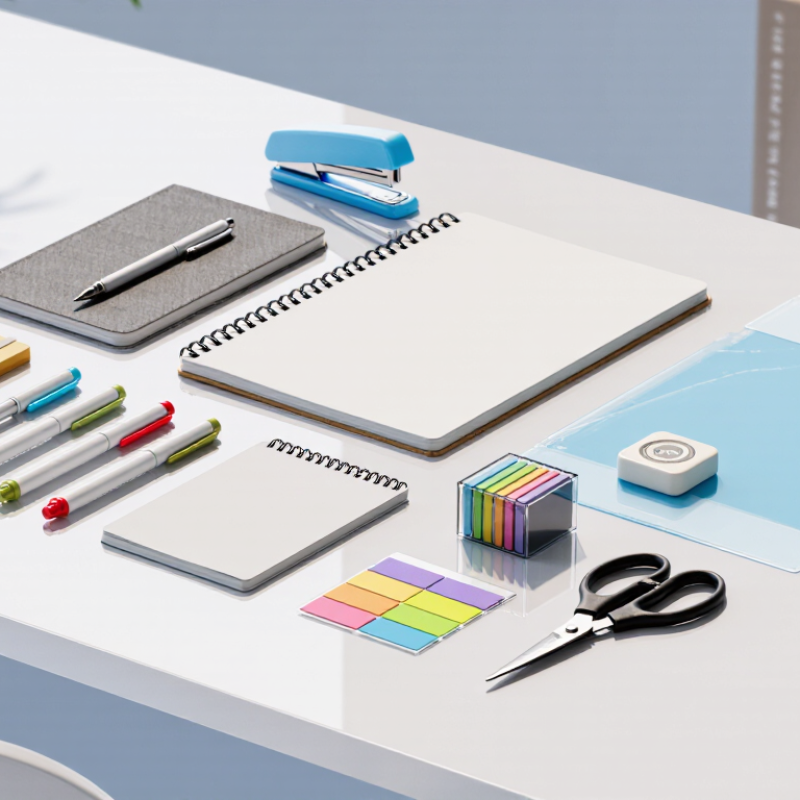
Japanese stationery manufacturing in China describes products made in Chinese facilities using Japanese-developed designs, specifications, or production methods. The phrase can cover local contract production as well as factories operated by Japanese companies. It does not automatically guarantee a particular origin or quality level. Details matter.
For a gel pen, buyers can check tip consistency, ink flow after pauses, cap fit, and leakage during transport. For notebooks, useful measures include paper weight, ruling alignment, binding strength, and ink show-through. Inspection samples and batch records may help, but practices vary between suppliers. A clear specification sheet makes comparisons more meaningful than a broad “Japanese style” label.
China’s manufacturing base can support varied order volumes and access to different components. However, material substitutions and production changes should be verified against agreed specifications. A factory visit can reveal equipment and workflow, but one visit cannot replace testing across production runs. A polished sample may look excellent while routine batches drift. That possibility deserves attention.
Manufacturing context: China and Japan’s manufacturing value added in 2023
China’s manufacturing value added was approximately US$4.66 trillion in 2023, compared with approximately US$1.05 trillion in Japan. These economy-wide figures provide manufacturing context; they are not specific to stationery or individual companies. Source: World Bank, Manufacturing, value added (current US$), 2023; values rounded.
Japanese stationery brands built recognition in China through dependable design, retail visibility, and steady distribution. Many offered pens that started smoothly, notebooks suited to quick notes, and compact tools for crowded desks. Small details mattered. Clear packaging and consistent product information helped shoppers compare items in stores and online.
Physical stationery shops let customers test a gel pen, feel notebook paper, or compare pencil grades before buying. E-commerce then widened access beyond major cities. Social platforms made journaling and desk organization more visible, although online attention did not always become repeat demand. The path was uneven.
Local presence required more than importing familiar designs. Product descriptions, packaging, and seasonal selections needed to feel relevant to Chinese shoppers, while prices faced competition from capable local makers. Retail partnerships and reliable restocking mattered too; an attractive pen is easy to forget when its refill is unavailable. Some market efforts may have emphasized image over everyday affordability, a weakness worth reconsidering.
Manufacturers serving Japanese stationery programs in China commonly make notebooks, gel pens, mechanical pencils, correction tape, folders, and compact desk tools. Key products often combine fine writing performance with neat finishes: smooth paper, consistent ink flow, tight pen caps, and clean-cut edges. Small details matter. A notebook line may require paper sourcing, ruling, binding, cover printing, and checks for page alignment. Pen production adds molding, refill assembly, ink-flow testing, and tip inspection. Capabilities vary by factory, so a catalog alone is not proof of reliable output.
Grand View Research estimated the global stationery products market at USD 144.4 billion in 2023 and projected 4.2% annual growth from 2024 to 2030. That broad market figure signals demand, but it does not measure Chinese suppliers specifically. Buyers should review sample batches, material specifications, defect records, and monthly capacity before placing large orders. Ask how factories handle color variation between print runs and test writing after storage. Still, inspection reports can miss user-level issues. A pen may pass a brief test yet feel scratchy after several pages. Production capability is more than machinery; it depends on repeatable processes, trained operators, and honest quality reporting.
Profiles of ten leading Japanese stationery manufacturers in China reveal a varied production landscape. Some focus on writing instruments, where smooth ink flow and consistent tip sizes matter. Others make notebooks and paper goods, balancing page texture, binding strength, and cost. Several specialize in filing products, correction tools, adhesives, or everyday desk organizers. Small details count. A cap that fits securely or a notebook that opens flat can shape daily use.
The remaining profiles include makers of art materials, cutting tools, and precision components, alongside manufacturers that produce goods to customer specifications. Their strengths may include careful quality checks, efficient production lines, and experience adapting designs for local demand. These points should be verified against current factory information, since capabilities can change and public profiles may omit details. There is no single best supplier for every buyer. One weakness in this overview is that product categories cannot replace direct sampling. A pen may look well made, yet feel uncomfortable after an hour of writing.
These anonymized profiles are not a market-share ranking. Establishment years and product categories summarize publicly documented corporate histories. Company names and brands are intentionally omitted; comparable China-specific sales, factory counts, and market-share figures are not consistently publicly disclosed and are not estimated here.
| Profile | Established | Primary stationery categories | Typical product focus | China-specific information |
|---|---|---|---|---|
| Profile 01 | 1887 | Writing instruments and drawing materials | Ballpoint pens, mechanical pencils, pencils, and marking products | Individual China sales, manufacturing sites, and market share are not stated in this anonymized profile. |
| Profile 02 | 1897 | Writing instruments and marking products | Ballpoint pens, gel pens, mechanical pencils, and markers | Individual China sales, manufacturing sites, and market share are not stated in this anonymized profile. |
| Profile 03 | 1905 | Paper stationery, office supplies, and office furniture | Notebooks, filing products, office organization, and workplace furnishings | Individual China sales, manufacturing sites, and market share are not stated in this anonymized profile. |
| Profile 04 | 1913 | Pencils, writing instruments, art materials, and adhesives | Writing and drawing tools, correction products, and stationery adhesives | Individual China sales, manufacturing sites, and market share are not stated in this anonymized profile. |
| Profile 05 | 1918 | Writing instruments and general stationery | Fountain pens, ballpoint pens, gel pens, and related writing products | Individual China sales, manufacturing sites, and market share are not stated in this anonymized profile. |
| Profile 06 | 1918 | Adhesive products and office stationery | Adhesive tapes and related products for office and everyday use | Individual China sales, manufacturing sites, and market share are not stated in this anonymized profile. |
| Profile 07 | 1921 | Art materials, writing instruments, and coloring products | Colored pencils, crayons, markers, paints, and drawing supplies | Individual China sales, manufacturing sites, and market share are not stated in this anonymized profile. |
| Profile 08 | 1927 | Office stationery, storage, and labeling products | Filing and organization products, label-making devices, and office tools | Individual China sales, manufacturing sites, and market share are not stated in this anonymized profile. |
| Profile 09 | 1946 | Writing instruments and art materials | Mechanical pencils, pens, markers, and products for drawing and design | Individual China sales, manufacturing sites, and market share are not stated in this anonymized profile. |
| Profile 10 | 1948 | Office stationery, filing products, and workplace solutions | Office organization, stapling and correction products, and related supplies | Individual China sales, manufacturing sites, and market share are not stated in this anonymized profile. |
Comparing Japanese stationery manufacturers in China takes more than reviewing product photos. Ask for paper weight, writing tests, and sample consistency. A gel pen should start smoothly after a short pause, while notebook pages should resist ink bleed under ordinary use. Request the same sample from a later production run, too. Quality can drift.
Range matters when building a coordinated collection. Check whether one supplier can provide notebooks, mechanical pencils, erasers, and desk accessories with consistent colors and packaging. Review material options, minimum order quantities, and customization limits before planning a launch. A wide catalog is useful, but it may hide uneven quality across product categories. Test the items you intend to sell.
Market reach is best judged with evidence, not broad claims. Ask which regions the manufacturer regularly ships to, what packaging formats it can handle, and how it tracks delivery milestones. Request references or anonymized shipment records where available. Clear answers are reassuring. Vague promises are not. Compare lead times during busy seasons, since quoted schedules may not reflect real production pressure. I would still treat a polished audit report as one piece of evidence, not proof of every future order.
It refers to products made in Chinese facilities using Japanese-developed designs, specifications, or production methods. Details matter.
No. The label alone confirms neither. Check the stated origin, specifications, and product performance.
Test tip consistency, ink flow after pauses, cap fit, and leakage during transport. A smooth sample is not enough.
Review paper weight, ruling alignment, binding strength, and ink show-through. Try writing on a real page.
They can help, but supplier practices vary. Compare production batches against a clear specification sheet.
It can show equipment and workflow. One visit cannot replace testing across production runs; polished samples may not reflect routine batches.
Facilities may support varied order volumes and access to different components. Verify any material substitutions or production changes.
Shops let customers feel paper and test pens. E-commerce widened access, while social media increased visibility; attention did not always bring repeat demand.
Relevant descriptions, packaging, seasonal selections, fair pricing, and reliable restocking matter. An attractive pen is easy to forget when its refill is unavailable.
This article explores how Japanese Stationery manufacturing has developed in China, from the industry’s defining characteristics to the ways Japanese stationery companies built local production and market presence. It considers how manufacturing combines attention to consistent quality, practical design, and dependable supply with an understanding of the needs of Chinese consumers and international buyers.
The article also reviews key product categories and production capabilities, then presents profiles of ten leading manufacturers operating in China without focusing on brand names. Readers will find a practical framework for comparing suppliers by product range, quality standards, production capacity, and market reach. Together, these topics offer a clear overview of the sector and help buyers and industry readers assess how manufacturers differ in strengths, capabilities, and suitability for particular needs.