
Engineered substrate solutions for eco-packaging, release liners, playing cards, and technical barrier applications.

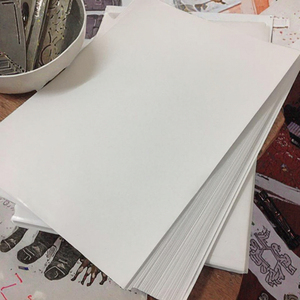
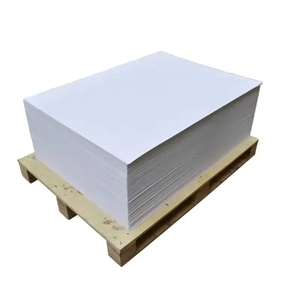
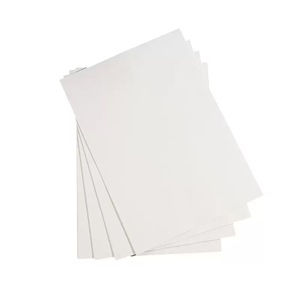

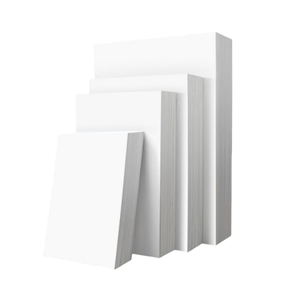
As global supply chains shift toward eco-responsible packaging, high-barrier performance materials, and precise technical substrates, China has emerged as the premier manufacturing hub for advanced specialty paper products. Leading Chinese mills are no longer merely low-cost commodity producers; they are global pioneers in surface chemistry, eco-barrier extrusion, and fiber matrix formulation.
Our industrial production infrastructure integrates state-of-the-art Fourdrinier and multi-cylinder paper machines coupled with online dispersion coating, solventless silicone release coating, and high-speed rotary laminators. By maintaining strict control over virgin wood pulp refinement, agricultural residue fiber recovery (such as bagasse), and chemical additives, we supply global B2B procurement leaders with tailored substrate options that perform flawlessly across automated high-speed converting machinery.
Advanced online double-sided resin coating (RC), dispersion PE, and silicone release formulations yielding consistent surface smoothness and calibrated holdout.
Full integration of FSC-certified virgin wood pulp, sugarcane bagasse, and zero-PFAS biodegradable food-grade barriers supporting circular economy initiatives.
Every reel undergoes inline scanning for basis weight uniformity, tensile burst, cobb moisture retention, pinhole defects, and curl tolerance under ISO 9001 protocols.
Selecting the optimal specialty paper requires a granular understanding of paper chemistry, tensile mechanics, and functional coatings. Below is a comprehensive analysis of the key product categories driving global industrial demand in 2025 and beyond.
Playing card stock and premium gaming boards require extraordinary internal bond strength, dimensional stability, and anti-curl properties. Standard paper tends to absorb ambient moisture, leading to edge warping during high-speed printing or casino play. By engineering single-side and double-side coated specialty paper with model 40 virgin wood pulp matrices, manufacturers achieve an ideal balance of stiffness, high bulk factor, and opacity. Resin coating seals the cellulose fibers, preventing atmospheric ink migration and guaranteeing smooth snap performance during automatic shuffling.
Sugarcane bagasse paperboard represents a massive leap forward in sustainable packaging. Utilizing non-wood agricultural byproduct, bagasse SBS (Solid Bleached Sulfate) raw materials offer comparable tensile strength and burst indices to traditional wood pulp boards in basis weights ranging from 120gsm up to 300gsm. Uncoated double-sided bagasse paperboard exhibits superior ink receptivity for offset, flexographic, and digital printing, while lowering carbon footprints by over 35% compared to standard virgin kraft paperboards.
With global regulatory bans targeting per- and polyfluoroalkyl substances (PFAS), paper mills in China have pioneered water-based dispersion and ultra-thin poly (PE) coating technology. Low basis weight (35gsm - 80gsm) greaseproof papers engineered for bakery, sandwich wrapping, and fast-food service utilize mechanical refining techniques (beating pulp to low Canadian Standard Freeness) combined with food-grade surface sizes. This produces an impermeable fiber matrix capable of achieving Kit Level 7 to Kit Level 12 grease resistance without harmful fluorochemicals.
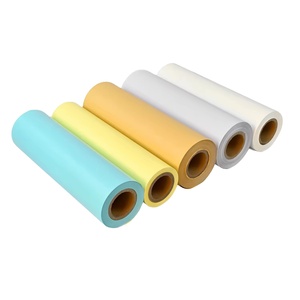
In the self-adhesive label, medical dressing, and industrial tape segments, release liner uniformity is critical. Poly-coated laminated kraft (PEK) and high-density glassine paper rolls serve as the backbone for silicone coating processes. Glassine paper undergoes intense supercalendering, transforming open wood pulp structures into transparent, smooth, and pinhole-free sheets. When coated with solventless silicone, these specialty liners offer consistent release force (measured in cN/25mm), ensuring clean web matrix stripping during automated labeling speed operations exceeding 300 meters per minute.
Compare physical properties, barrier attributes, and target applications across our flagship specialty paper and paperboard grades.
| Substrate Grade | Basis Weight (GSM) | Tensile Strength (MD/CD) | Cobb Value (60s) | Primary Barrier Function | Ideal Application |
|---|---|---|---|---|---|
| Uncoated Bagasse SBS Board | 120 - 300 gsm | High (> 4.5 kN/m) | 30 - 45 g/m² | Eco-Fiber / Printable | Luxury Retail Packaging, Gift Bags, Boxes |
| Double-Side RC Paper (Model 40) | 180 - 320 gsm | Very High (> 6.0 kN/m) | < 15 g/m² | Moisture & Anti-Curl | Photo Paper, Playing Cards, Premium Menus |
| High-Bulk Anti-Curl Card Stock | 250 - 350 gsm | Ultra High (> 7.5 kN/m) | 20 - 30 g/m² | Waterproof / Dimensional | Casino Cards, Game Boards, Flash Cards |
| Glassine Release Liner Paper | 40 - 120 gsm | Medium (> 3.0 kN/m) | N/A (Silicone base) | Solvent & Silicone Holdout | Label Release Backing, Medical Tapes |
| Food Grade PE/Greaseproof Paper | 35 - 80 gsm | Standard (> 2.2 kN/m) | < 10 g/m² (PE side) | Grease, Oil & Vapor Barrier | Sandwich Wraps, Bakery Bags, Food Tray Liners |
| Woodfree Uncoated Bond Roll | 80 - 150 gsm | Standard (> 2.8 kN/m) | 25 - 35 g/m² | High Ink Receptivity | Offset Printing, Commercial Publishing |
Navigating international supply chain dynamics requires forecasting technological shifts and regulatory demands. B2B procurement managers sourcing specialty paper from China should align their purchasing strategies with four primary macro trends currently redefining the industry:
Single-use plastic directives globally are driving brands toward aqueous dispersion barrier coatings. Modern paper mills are replacing traditional polyethylene (PE) laminations with water-borne acrylic and bio-polymer dispersions (such as PLA and PHA), allowing paper packaging to be fully repulped in standard recycling facilities without microplastic waste.
Enterprise buyers now require Scope 3 emissions reporting and verified chain-of-custody documentation. Top Chinese suppliers maintain FSC-C000000 certifications and utilize biomass boilers, closed-loop water treatment systems, and solar energy arrays to minimize embodied carbon per ton of finished paper.
As offset printing merges with high-speed inkjet and UV digital presses (such as HP Indigo and Canon Variprint), specialty paper surfaces must undergo customized sizing. Surface energy calibration (38–44 dynes/cm) guarantees immediate ink drying, high color gamut density, and zero pinholing during short-run custom printing jobs.
To mitigate quality risks and eliminate production delays, enterprise procurement teams must execute thorough technical audits when selecting OEM paper mills in China. Below is a structured verification methodology designed by senior paper industry quality engineers:
Request detailed technical data sheets (TDS) verifying pulp composition. High-grade specialty packaging and card stocks require 100% bleached softwood/hardwood kraft pulp or certified bagasse pulps. Ensure that optical brighteners (OBA) are calibrated for food contact grades or archival application requirements.
Defects in reel tension lead to web breaks on converting machinery. Confirm that the supplier utilizes automated optical camera systems to detect dust particles, pinholes, and basis weight variations across the entire paper web during high-speed slitting and rewinding operations. Slitting width tolerances should strictly adhere to +/- 0.5 mm.
For food wrapping paper, release liners, and medical grades, ensure that third-party laboratory test reports are readily available. Key standards include FDA 21 CFR 176.170/176.180 (for aqueous and fatty food contact), EU Regulation No 1935/2004, heavy metal compliance (RoHS/REACH), and ISO 14001 environmental safety certification.
Direct technical responses addressing common procurement queries regarding Chinese specialty paper manufacturing, customization, lead times, and shipping logistics.
Speak directly with our paper engineers to optimize your substrate specifications, request free laboratory sample swatches, or initiate a factory capacity audit.