
Selected high-volume stationery, craft, and industrial clear stamp configurations engineered by premier Chinese export manufacturing facilities.
The global craft, office supply, and industrial marking sectors have experienced a structural shift toward acrylic stamps and photopolymer clear stamp systems. Driven by the demand for visual precision, reusable positioning, lower inventory footprint, and superior ink release, international importers, stationery brands, and craft distributors increasingly look to China’s advanced manufacturing clusters. As a market leader in polymer synthesis and micro-die cutting, China accounts for over 72% of global photopolymer stamp production and custom acrylic mounting block exports.
To evaluate vendor capabilities effectively during vendor audits, procurement managers must distinguish between the two primary material components of a clear stamp system: the flexible stamp sheet (polymer layer) and the rigid acrylic mounting block.
| Technical Property | Photopolymer Clear Stamps (Tier-1 China Factory) | Extruded Silicone/TPE Stamp Clones | Solid Cast Acrylic Blocks (Mounting Base) |
|---|---|---|---|
| Chemical Composition | Liquid Polyurethane Acrylate (UV Cured) | Thermo-Plastic Elastomer (TPE) / Low Resin PVC | 100% Virgin PMMA (Polymethyl Methacrylate) |
| Shore A Hardness | 40 – 50 Shore A (Optimal ink pickup) | 65 – 80 Shore A (Too rigid/slippery) | > 95 Shore M (Rigid structural block) |
| Light Transmittance | 94.2% (Crystal Clear) | 78.0% – 85.0% (Milky / Hazy) | 99.2% (Optical Grade, Beveled Edges) |
| UV Yellowing Resistance | Grade 4.5 (ISO 105-B02 1000hr exposure) | Grade 2.0 (Turns yellow within 3 months) | Grade 5.0 (Non-yellowing up to 10 years) |
| Ink Compatibility | Dye, Pigment, Solvent, Hybrid & Alcohol Inks | Dye inks only (Solvents degrade TPE surface) | N/A (Non-porous holding substrate) |
Top-tier Chinese manufacturers utilize liquid photopolymer plate-making technology imported from Japan and Europe or developed under domestic chemical patents. This process ensures that micro-lines down to 0.1 mm in thickness remain sharp and tear-resistant throughout thousands of stamping cycles. Conversely, low-tier vendors often substitute cheap TPE injection molding, which suffers from low ink retention, rapid tearing, and greasy surface migration over time.
The B2B procurement environment for acrylic stamps and scrapbooking accessories is undergoing rapid transformation. Buyer preferences in North America, Europe, and Asia-Pacific have forced manufacturers to innovate in sustainability, hybrid craft integration, and ultra-flexible low-MOQ supply chain models.
Environmental regulations such as EU REACH Annex XVII and US California Proposition 65 have pushed Chinese R&D teams to formulate bio-derived resin photopolymers. Future procurement specs mandate phthalate-free, non-toxic stamps made from up to 30% renewable plant-based monomers without sacrificing tear strength or optical clarity.
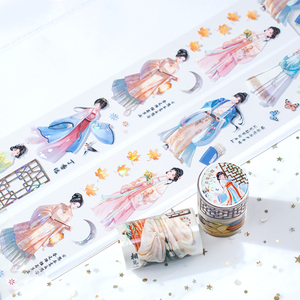
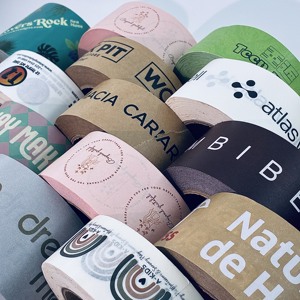
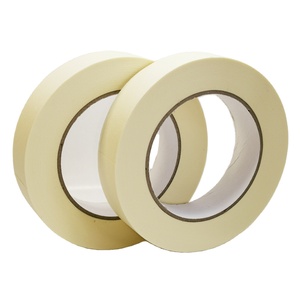
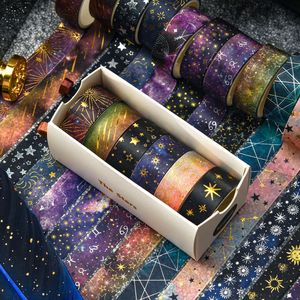
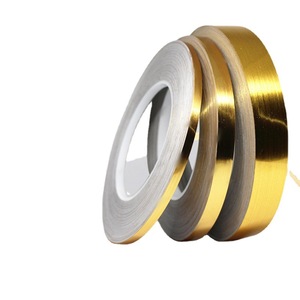
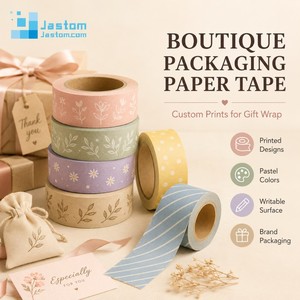
B2B buyers are moving away from single-item stamp SKUs. Modern consumer trends favor unified aesthetic kits combining clear acrylic stamps, gold/silver hot-foiled PET tapes, precision-cut washi masking rolls, and laser-etched acrylic handles. Chinese exporters offering turn-key, co-packaged retail boxes dominate current market growth.
With digital direct-to-plate UV exposure equipment, master mold setup times have plummeted from 7 days to under 4 hours. This allows leading Chinese factories to offer low minimum order quantities (MOQ down to 500 units per design), empowering niche boutique brands, Etsy power-sellers, and enterprise retailers to test market designs with minimal capital risk.
As a specialized OEM/ODM manufacturing syndicate with deep integration across regional raw material suppliers in Zhejiang and Guangdong, our facility sets the benchmark for export-ready acrylic stamp production.
Microscopic dust particles are the primary cause of surface bubbles and visual defects in clear stamps. Our UV polymerization chambers operate under strict ISO Class 7 dust-free environments, guaranteeing flawless optical clarity and uniform cling pressure across every stamp sheet produced.
Our solid acrylic mounting blocks are crafted using diamond-tipped CNC routers and automated laser polishers. Every edge is polished to a 45-degree comfortable grip bevel with zero sharp corners, delivering a premium tactile experience for retail end-users.
We provide full documentation for global compliance, including EN71-3 toxicity reports, REACH heavy metals screening, RoHS environmental verification, and FSC-certified paper backings for retail packaging assemblies.
From magnetic storage sheets and color-printed backing cards to customized blister packs, barcode labeling, and retail display floor boxes, our automated packaging lines streamline your supply chain by shipping shelf-ready products directly to your distribution centers.
While both materials appear transparent, photopolymer stamps are engineered specifically for graphic arts and stamping ink transfer. They possess natural surface tension that holds ink evenly without turn-beading, feature high elasticity, and maintain clarity without turning yellow. Silicone or PVC stamps are cheaper molded substitutes that repel water-based inks, leave patchy impressions, stretch out of shape easily, and deteriorate when exposed to solvent cleaning solutions.
For initial custom artwork, vector file verification and digital sample film takes 2–3 business days. Physical pre-production samples require 5–7 days. Once sample approval is granted, full mass production lead time generally ranges between 15 and 22 calendar days for orders up to 50,000 units, depending on packaging complexity and kitting requirements.
Genuine UV-cured polyurethane photopolymers contain inherent molecular tackiness that does not rely on applied adhesives or chemical coatings. If dust accumulation reduces cling performance during retail handling or use, washing the stamp with mild soap and room-temperature water instantly restores 100% of its original cling force to acrylic mounting blocks.
We require high-resolution vector artwork in .AI (Adobe Illustrator), .PDF, or .EPS format with all fonts outlined. For intricate photopolymer line art, vector lines must maintain a minimum stroke width of 0.15 mm (0.4 pt) and minimum negative space clearance of 0.2 mm to ensure crisp relief depth during UV exposure plate washing.
Yes. We offer high-precision silk-screened alignment grid lines (1/4 inch or 10 mm metrics), high-definition UV-curable color graphic printing, ergonomic side-groove handles, and custom laser-engraved brand logos directly on the PMMA acrylic blocks.
Every production batch undergoes a rigorous 4-step Quality Control protocol following AQL 2.5/4.0 standards:
Partner directly with China's leading acrylic stamp engineering team. Connect with our export specialists today for instant factory-direct pricing, custom mold consultations, and complimentary sample kits.