
Customizable sizes, grid variations, binding structures, and cover finishes engineered to meet strict international retail and brand standards.

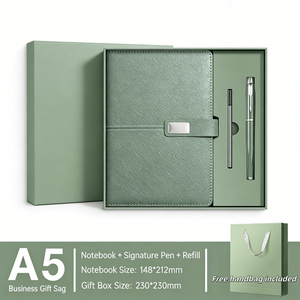
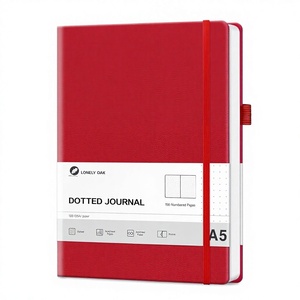
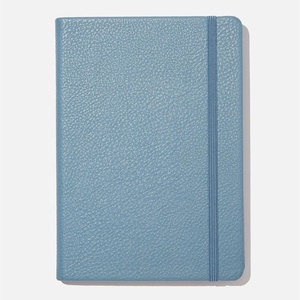
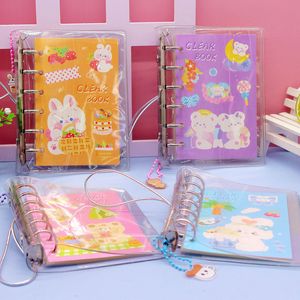
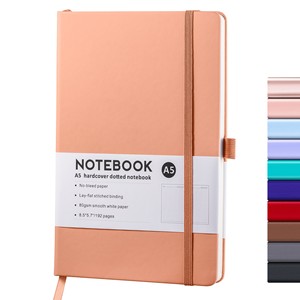
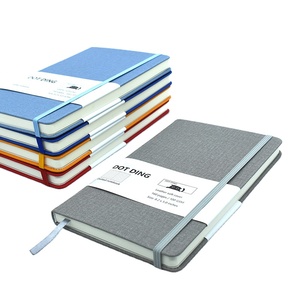
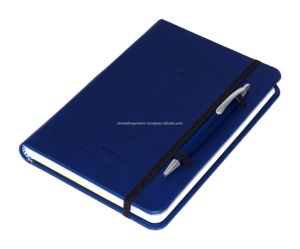
As the international premium stationery market undergoes a structural shift towards personalized productivity tools, bullet journaling (dotted grid system) has evolved from a niche hobby into a dominant category in luxury business, wellness, and educational publishing. For corporate buyers, retail chain procurement heads, and private-label stationery brands, navigating the technical complexities of contract manufacturing requires a granular understanding of paper science, binding structural integrity, surface finishes, and sustainable compliance frameworks.
As a leading OEM/ODM Bullet Journals Exporter, our manufacturing ecosystems combine traditional craftsmanship with automated precision. This industry analysis details critical technical variables, procurement benchmarks, material innovations, and supply chain strategies for high-volume stationery procurement.
Key Strategic Insight: The modern consumer evaluates bullet journals based on three strict criteria: absolute zero ink bleed-through (opacity testing), lay-flat 180° ergonomics (thread sewing), and structural cover resilience. Achieving these standards demands raw material traceability and advanced press precision.
The interior paper stock is the single most important factor determining a bullet journal’s quality. Conventional notebooks utilize standard 70 GSM to 80 GSM wood-pulp paper, which suffers from severe feathering, ghosting, and bleed-through when subjected to fountain pens, pigment liners, or watercolor markers. OEM procurement for modern bullet journals requires specialized paper grades engineered specifically for heavy ink applications.
| Paper Grade (GSM) | Bleed Resistance Index | Recommended Medium | Target Retail Market Segment | OEM Cost-Efficiency |
|---|---|---|---|---|
| 80 GSM Woodfree | Basic (Ballpoint Only) | Pencil, Dry Gel Ink | Mass Market School / Promotional | Maximum Yield / Low Cost |
| 100 GSM Cream/White | Moderate (Low Ghosting) | Gel Pens, 0.5 Fine Liners | Corporate Executive / Daily Planners | High Balance |
| 120 GSM Bamboo Pulp | High (No Bleed) | Fountain Pens, Highlighters | Mid-Range Boutique / E-Commerce Brands | Optimal Premium Value |
| 160 GSM Heavyweight | Absolute (Zero Bleed/Ghost) | Watercolors, Alcohol Markers | Professional Artists / Luxury Bullet Journals | Premium Margin Potential |
A critical flaw in substandard stationery manufacturing is rigid spine construction that prevents the notebook from staying completely flat on a desk. Authentic bullet journaling demands a 180° lay-flat design to ensure unimpeded edge-to-edge drawing and writing across full spreads.
Our OEM manufacturing lines employ advanced Smythe-Sewn Thread Binding. Multiple 16-page signatures are precisely stitched together using tensile cotton-polyester threads before being affixed to the spine with flexible hot-melt polyurethane (PUR) adhesives. This dual-reinforcement method avoids stiff spine lock and ensures that individual pages will not detach, even after years of daily structural stress.
Current international procurement trends demonstrate a massive shift toward sustainable, vegan, and recycled materials. As an experienced exporter, our ODM design lab offers a broad spectrum of eco-compliant outer shell configurations:
Waterproof, scratch-resistant synthetic leather with realistic grain textures, available in custom Pantone shades and debossing depth.
Bio-based alternative substrates made from upcycled agricultural waste, meeting strict European REACH compliance standards.
Tactile canvas and woven textile covers featuring custom screen-printed illustrations, foil-stamped borders, and gilded edges.
Stand out in competitive retail environments by utilizing complex finishing techniques. Our automated factory lines support:
Building a successful stationery brand or enterprise product line requires a manufacturing partner capable of delivering consistent batch-to-batch quality, rapid prototyping, and transparent supply chain logistics. With decades of international export expertise, our enterprise infrastructure provides unrivaled reliability.
Rigorous 4-stage inspection: paper GSM verification, tension testing, cover adhesion check, and final packaging audit.
From custom sheet sizes (A5, B6, Executive) to bespoke packaging design, barcoding, and retail-ready FBA display units.
Complete export documentation, customs clearing clearance support, DDP ocean/air logistics, and FSC/BSCI factory audits.
Understanding where the paper stationery market is heading allows product managers to design collections that capture emerging consumer demand. Based on consumer intent mining and trade data, three major trends are shaping the future of bullet journal sourcing:
Modern professionals seek physical journal tactile experiences combined with digital archive convenience. Smart dotted grids incorporating subtle AR optical markers or QR code indices enable smartphone scanning apps to automatically index pages into digital PDF files or cloud repositories. Our ODM facility is equipped to print high-density micro-coded dot patterns compatible with leading OCR indexing platforms.
Bullet journaling is rapidly expanding beyond artistic spreads into corporate executive productivity. Brands are commissioning custom structured layouts featuring quarter-range goal setting, Habit Trackers, Kanban spreads, and project roadmaps combined with classic dot grids. Minimalist, monochrome aesthetics paired with ultra-smooth 120 GSM cream paper dominate this high-margin sector.
Retail buyers in North America and Western Europe now mandate strict sustainability proof. It is no longer enough to offer "paper"; products must demonstrate zero deforestation credentials, soy-based ink printing, and plastic-free packaging. Our factory has eliminated single-use shrink wrap, offering instead recyclable belly bands, FSC tissue wrapping, and biodegradable starch-based outer bags.
Our standard MOQ for fully customized OEM bullet journals (custom cover debossing, custom printed interior pages, specific pantone leather color) starts at 500 units per design. For standard stock cover materials with logo debossing only, MOQs start as low as 300 units.
We perform standardized ink penetration testing using 12 common writing mediums, including fountain pen pigment ink, alcohol markers, and gel pens. Paper opacity is measured via ISO 2471 standards to ensure zero ghosting for 160 GSM and under 5% opacity loss for 120 GSM papers.
Custom physical pre-production samples require 5 to 7 working days after artwork approval. Mass production typically takes 20 to 25 calendar days, depending on order volume and structural complexity (e.g., edge gilding or complex box packaging).
Yes, 100% of our woodpulp paper supply can be furnished with FSC (Forest Stewardship Council) Chain of Custody certification. We also offer GRS-certified recycled PU leather and bio-based alternatives such as apple skin and cork leather.
Each journal is individually protected in a moisture-barrier polybag or recyclable tissue wrap. Units are packed into heavy-duty 5-ply corrugated export master cartons with corner protectors, stacked on fumigated wooden or plastic pallets, and shrink-wrapped for maritime container transit.
Absolutely. Our in-house engineering team can assist you in generating custom vector dot grids, lined margins, habit tracking tables, indexed page numbering, or hybrid calendar spreads tailored precisely to your brand's specification.