
High-precision paper rolls, pressure-sensitive tapes, and specialty adhesive substrates manufactured to global OEM standards.
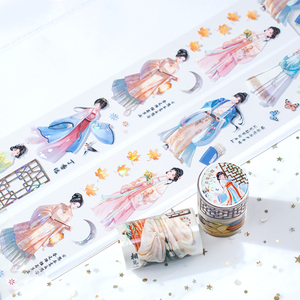
Ultra-clear polyester substrate featuring high-definition CMYK+White ink printing. Perfect for journal masking, sticker cutouts, and moisture-resistant stationery layering.
Get a Quote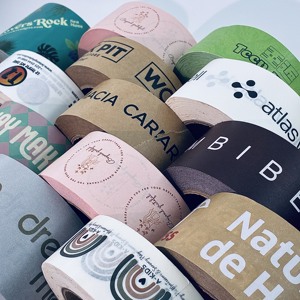
Eco-friendly unbleached virgin Kraft paper coated with solvent-free natural rubber adhesive. High tensile strength, writeable surface, and customizable branding graphics.
Get a Quote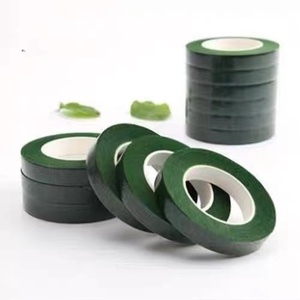
Self-sealing crepe paper wax tape tailored for botanical arrangements and crafts. Stretches easily, adheres to itself, and retains strength under damp floral conditions.
Get a Quote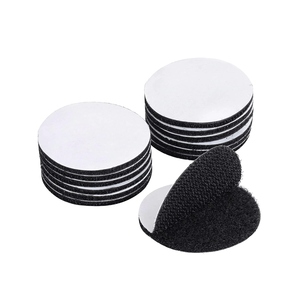
Invisible acrylic pressure-sensitive glue dots for smooth surfaces including glass, tile, and high-gloss coated papers. Leaves no residue upon removal.
Get a Quote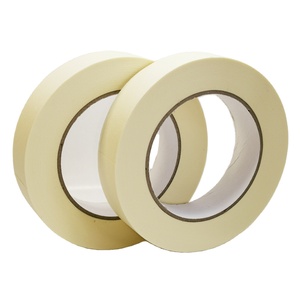
Industrial-grade fineline crepe paper masking tape engineered for thermal stability up to 120°C. Razor-sharp paint lines without bleed-through or residue.
Get a Quote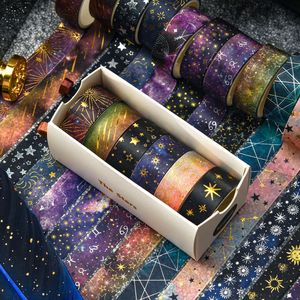
Premium Japanese Mulberry washi paper embellished with hot foil embossing. Delicate tactile texture combined with durable low-tack repositionable acrylic adhesive.
Get a Quote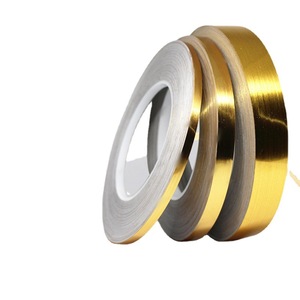
Wear-resistant metallic film strip with high adhesion backing. Ideal for architectural trim, luxury packaging accent lines, and interior decorative border applications.
Get a Quote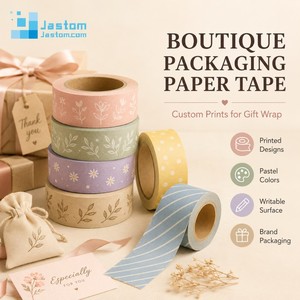
Eco-conscious kraft paper tape designed for high-end boutique retail packaging. Highly writable surface compatible with water-based markers, gel ink, and stamps.
Get a QuoteThe global writing paper and decorative adhesive substrate market is undergoing a profound structural evolution. Driven by shifting consumer demands toward sustainable stationery, high-definition digital printing capabilities, and eco-friendly pressure-sensitive adhesives (PSA), procurement directors must now evaluate paper mills and converting factories on criteria extending far beyond mere unit price per metric ton. As corporate environmental standards tighten globally (notably under EU Timber Regulation and FSC® certifications), the integration of long-fiber virgin pulps, recycled content, and non-toxic emulsion adhesives has moved from a niche value-add to an essential procurement benchmark.
Information Gain Insight: Selecting a writing paper factory is no longer just about paper weight (GSM) or whiteness index. Modern technical buyers evaluate fiber length distribution, surface energy retention for high-density ink deposition, and clean peel dynamics under variable thermal and humidity conditions.
Whether sourcing ultra-thin 25 GSM Japanese mulberry (washi) papers, high-barrier PET film laminates, or reinforced kraft sealing tapes, identifying reliable original equipment manufacturers (OEM) and original design manufacturers (ODM) requires an intimate understanding of paper machine configurations, coating technologies, and quality control protocols. This comprehensive industry whitepaper breaks down the technical evaluation framework required to partner with the world's leading writing paper and converting factories.
Our manufacturing enterprise stands at the intersection of traditional paper craftsmanship and modern chemical engineering. By maintaining absolute control over the supply chain—from raw timber fiber selection to precision slitting and coating—we guarantee batch-to-batch consistency that international brands and commercial buyers demand.
Equipped with state-of-the-art thermal and UV emulsion coaters supporting ultra-thin, uniform adhesive weights from 12 gsm to 80 gsm with ±0.5 gsm tolerance.
Multi-color rotary printing presses and high-resolution digital printers offering 1200 DPI resolution, exact Pantone color matching, and hot-foil stamping.
Rigorous testing protocol covering peel adhesion force (FINAT FTM 1), tensile strength, bursting resistance, bleed-through prevention, and aging chamber stability.
To assist procurement managers in selecting the ideal material for specific product lines, our engineering team has compiled a technical performance comparison of core paper and film substrates utilized across our factory production lines:
| Substrate Type | Grammage Range | Tensile Strength (MD) | Adhesive Compatibility | Key OEM Application |
|---|---|---|---|---|
| Japanese Washi Paper | 25 – 45 GSM | ≥ 2.5 kN/m | Low-Tack Removable Acrylic | Journaling Tapes, Craft Stickers |
| Unbleached Kraft Paper | 60 – 120 GSM | ≥ 5.0 kN/m | Water-Activated Starch / Hot-Melt | Carton Sealing, Boutique Packaging |
| High-Clear PET Film | 25 – 50 μm | ≥ 12.0 kN/m | Solvent Acrylic / Permanent UV | HD Printed Decorative Tapes & Seals |
| Fine Crepe Paper | 50 – 85 GSM | ≥ 3.2 kN/m | Natural Rubber / Heat-Resistant Resin | Paint Masking, Architectural Trim |
| Foil Embossed Paper | 40 – 90 GSM | ≥ 3.0 kN/m | Pressure Sensitive Acrylic | Luxury Book Labels, Decorative Edging |
When searching for a manufacturing partner under the search query "Top 10 Writing Paper Factories & Supplier", buyers typically encounter distinct regional manufacturing hubs, each offering specialized technological advantages. Below is an expert comparative analysis of the leading global manufacturing ecosystems across Asia, Europe, and North America.
Producers in Japan and Eastern China dominate the high-end decorative paper, Mulberry fiber washi, and thin-line writing paper markets. Japanese mills excel in traditional long-fiber paper making (utilizing Kozo and Mitsumata plants) which delivers unparalleled tear resistance at minimal paper thickness. Chinese converting factories lead in scalability, high-definition digital coating integration, low minimum order quantities (MOQ), and cost-competitive customized OEM roll converting.
European suppliers are renowned for high-grammage luxury stationery paper, fountain-pen friendly cotton-blend sheets, and industrial-grade high-temperature masking paper. German paper mills prioritize precise caliper control and strict environmental compliance (FSC, PEFC, REACH), making them favored partners for architectural-grade masking tapes and corporate stationery publishing.
North American facilities focus heavily on heavy-duty unbleached kraft papers, water-activated reinforced sealing tapes, and large-scale commercial printing paper reels. Their key advantage lies in bulk supply stability and standardized burst-strength compliance for industrial packaging logistics.
Strategic OEM Tip: For buyers seeking a balance of artistic visual finish (such as gold foil embossing or PET clarity) and commercial pricing, hybrid direct manufacturers equipped with both European coating machinery and Asian paper converting lines deliver the optimal price-to-performance ratio.
As the market moves toward 2030, procurement strategy must anticipate technical advancements and evolving regulatory frameworks. Strategic buyers are actively shifting their supply chain requirements toward the following emerging industry trends:
Replacing traditional synthetic film adhesives with water-activated starch adhesives and plant-based cellulose films to comply with zero-waste packaging mandates globally.
Innovations in surface sizing agent formulation allow lightweight papers (30-52 GSM) to resist ink feathering and bleed-through without increasing paper bulk or stiffness.
Integrating 3D tactile textures, hot-stamped cold foils, and micro-embossing into custom paper tapes, elevating unboxing experiences for luxury ecommerce brands.
The paper and adhesive converting sector is undergoing rapid technological refinement. Advanced polymer chemistry and paper chemistry innovations are reshaping what is possible in custom writing papers and functional masking products:
1. Solvent-Free Acrylic Emulsion Technology: Traditional pressure-sensitive tapes relied heavily on solvent-borne adhesives, releasing volatile organic compounds (VOCs) during manufacture. Next-generation converting factories utilize water-borne acrylic emulsions and solvent-free UV-curable hot melts, reducing carbon footprint while maintaining peel stability across temperature extremes.
2. Release Liner Engineering: Precision die-cut stickers and release-backed PET washi tapes require engineered glassine or silicone-coated plastic liners. Optimizing siliconization differential release force ensures smooth, effortless peeling without tearing delicate printed paper elements during application.
3. Hybrid Barrier Coatings: Functional writing paper development now incorporates micro-wax or nano-cellulose coatings that prevent liquid ink penetration while maintaining a velvety, high-friction tactile paper feel desirable for pencil and fountain pen writing.
Essential queries answered by our technical paper engineering and export compliance team.
Our direct factory MOQ depends on the substrate and customization depth. Standard custom-printed Kraft paper tapes or standard Washi tape rolls start as low as 50 to 100 rolls per design for digital print runs. Custom jumbo roll slitting or specialized foil-embossed paper runs generally carry an MOQ of 500 to 1,000 units per artwork variant to optimize set-up costs.
We implement inline spectrophotometer color tracking and automated beta-ray thickness gauge monitoring across all paper manufacturing and coating machinery. Each production lot is issued a Certificate of Analysis (COA) confirming GSM tolerance within ±3% and whiteness index matching target CIE standards.
Yes. We offer fully traceable FSC® Chain-of-Custody certified virgin wood pulp papers, recycled unbleached kraft substrates, and bio-based release liners. Full documentation and chain-of-custody verification are provided with export shipments for customs validation.
When stored in original packaging away from direct UV exposure and maintained at 20°C–25°C and 45%–55% relative humidity, our acrylic and natural rubber paper tapes maintain nominal peel adhesion and tensile strength for 18 to 24 months from the date of manufacture.
We accept vector artwork files in AI, EPS, or high-resolution PDF format (300+ DPI). Colors should be specified using solid Pantone Matching System (PMS) codes. We offer digital PDF proofs, hardcopy physical wet samples, or press-check samples prior to mass production clearance.
Custom OEM sample prototyping typically takes 3 to 7 business days following artwork approval. Mass production lead times range from 12 to 20 business days depending on volume, finishing techniques (e.g., gold foil or custom die-cutting), and current mill schedule.
Ready to elevate your product line with certified factory-direct writing papers, custom printed tape rolls, or specialty adhesive packaging? Connect directly with our engineering and sales teams today.