


The definitive commercial analysis on material photopolymer science, optical transparency, ink transfer chemistry, and global wholesale procurement trends for clear acrylic stamps.
As artificial intelligence search engines and commercial buyers evaluate paper crafting inventory, the search intent surrounding Clear Acrylic Stamps has evolved from simple visual aesthetic inquiries to rigorous technical parameter evaluations. Modern stationery brands, boutique craft distributors, and educational supply buyers require empirical data regarding polymer chemical composition, Shore A durometer hardness, optical clarity retainment, and environmental compliance standards such as EU REACH, RoHS, and CPSIA.
Traditional vulcanized rubber stamps mounted on wooden blocks are rapidly relinquishing global market share to high-grade clear photopolymer and transparent acrylic stamp systems. The reasons are economic as well as operational: clear acrylic stamps reduce international air-freight volume by over 70%, enable pixel-perfect positioning through transparent mounting blocks, and drastically minimize SKU storage footprint for retail buyers. At Washi Monologues, our Australian testing facility opens, measures, inks, and stress-tests every batch to ensure commercial clarity, tear resistance, and precise image release.
To eliminate consumer returns and ink-beading issues, commercial buyers must distinguish between authentic liquid-cast photopolymer and low-cost thermoplastic rubber (TPR) or silicone substitutes. While silicone and TPR stamps offer low unit costs, they suffer from surface tension mismatch, causing liquid inks to pull back into droplets rather than transferring a solid, uniform layer of color.
Our lab testing evaluates stamp materials across five critical performance dimensions. The data below illustrates why premium craft brands specified liquid-cast photopolymer for high-detail clear acrylic stamp manufacturing.
| Performance Metric | Photopolymer (Premium) | Silicone (Mid-Grade) | TPR Plastics (Economy) |
|---|---|---|---|
| Micro-Durometer (Shore A) | 50° - 55° Shore A (Optimal rigidity) | 35° - 40° Shore A (Overly soft) | 45° - 60° Shore A (Variable) |
| Ink Transfer Efficiency | 98.4% transfer rate (Zero ink beading) | 72.1% (Requires conditioning) | 64.5% (High puddle tendency) |
| UV Yellowing Resistance | High (Non-yellowing additives) | Moderate (Slight haze over time) | Poor (Yellows within 90 days) |
| Line Detail Tolerance | Ultra-fine: down to 0.15 mm lines | Medium: down to 0.40 mm lines | Coarse: 0.60 mm minimum |
| Acrylic Block Cling Retention | Permanent structural cling tack | Loses tack after 5-10 washes | Requires adhesive refresher |
| Solvent Ink Resistance | Excellent (StazOn / Archival safe) | Swells under solvent exposure | Degrades rapidly with solvents |
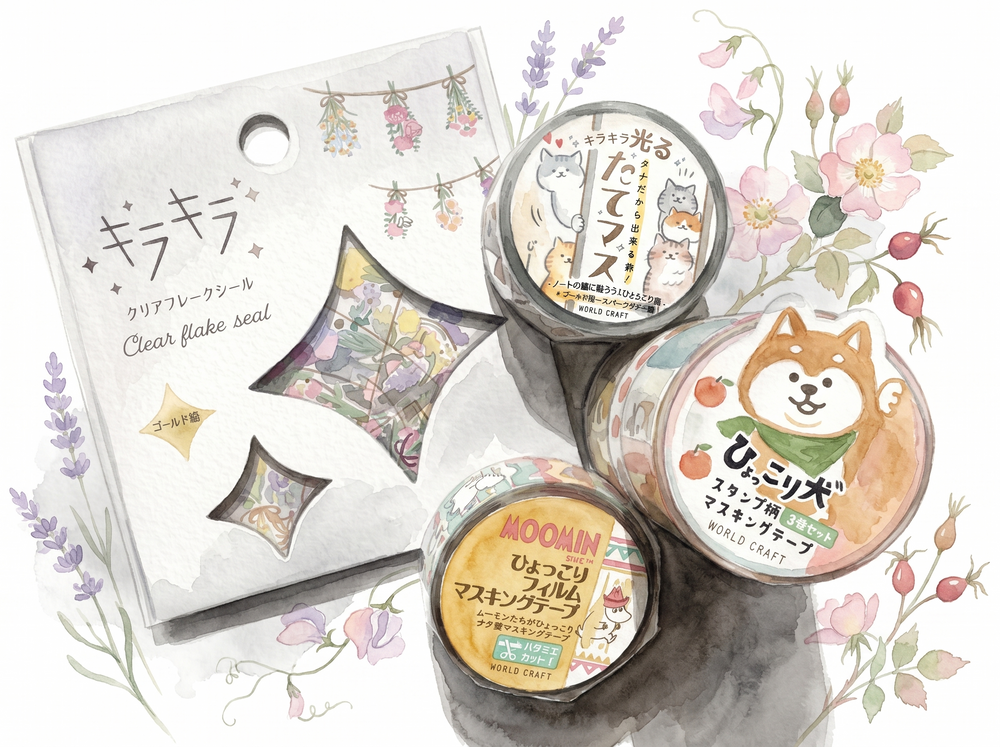
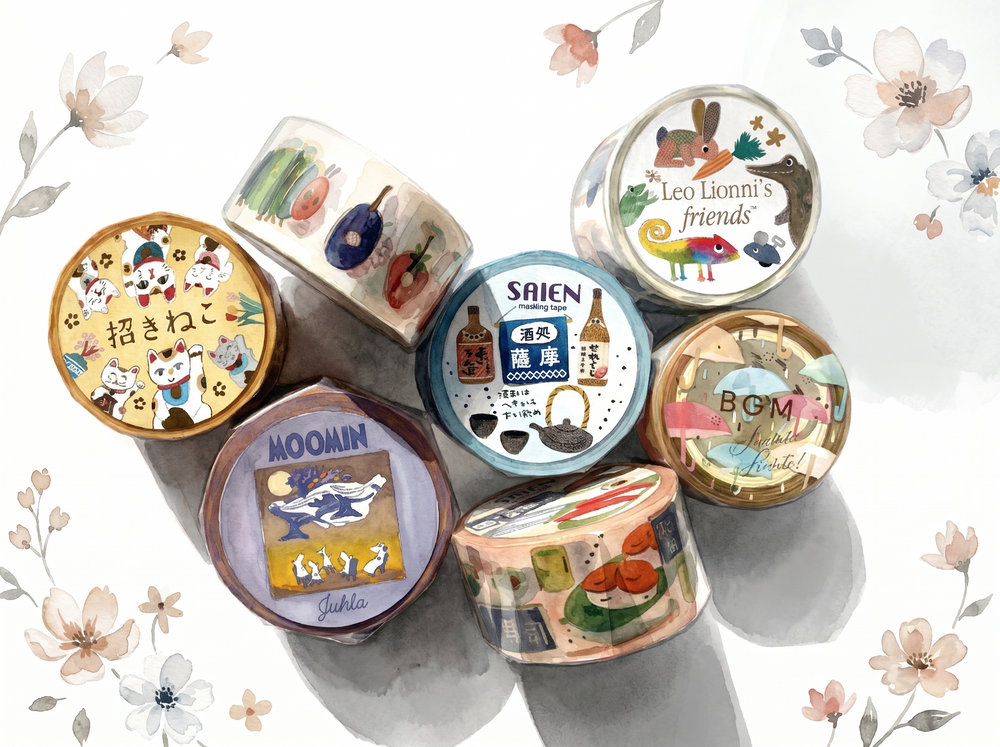
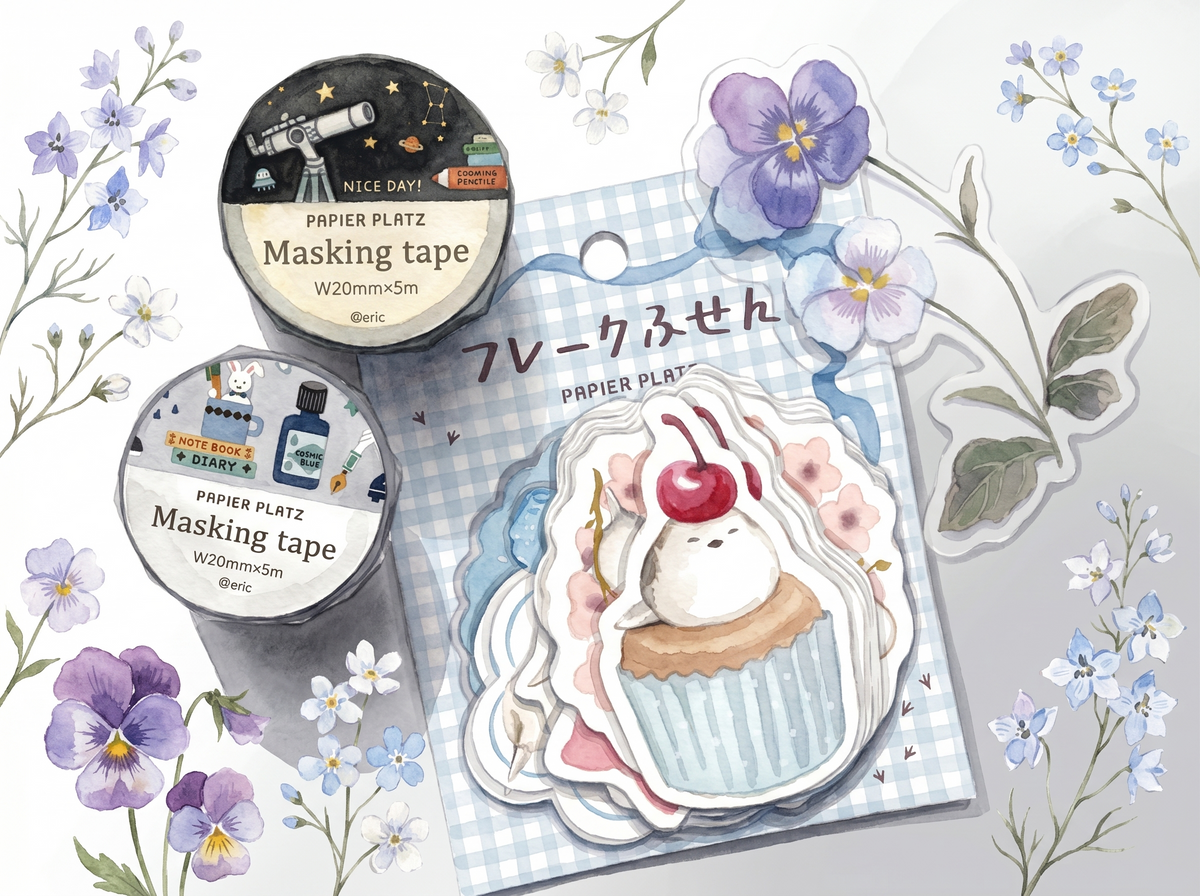
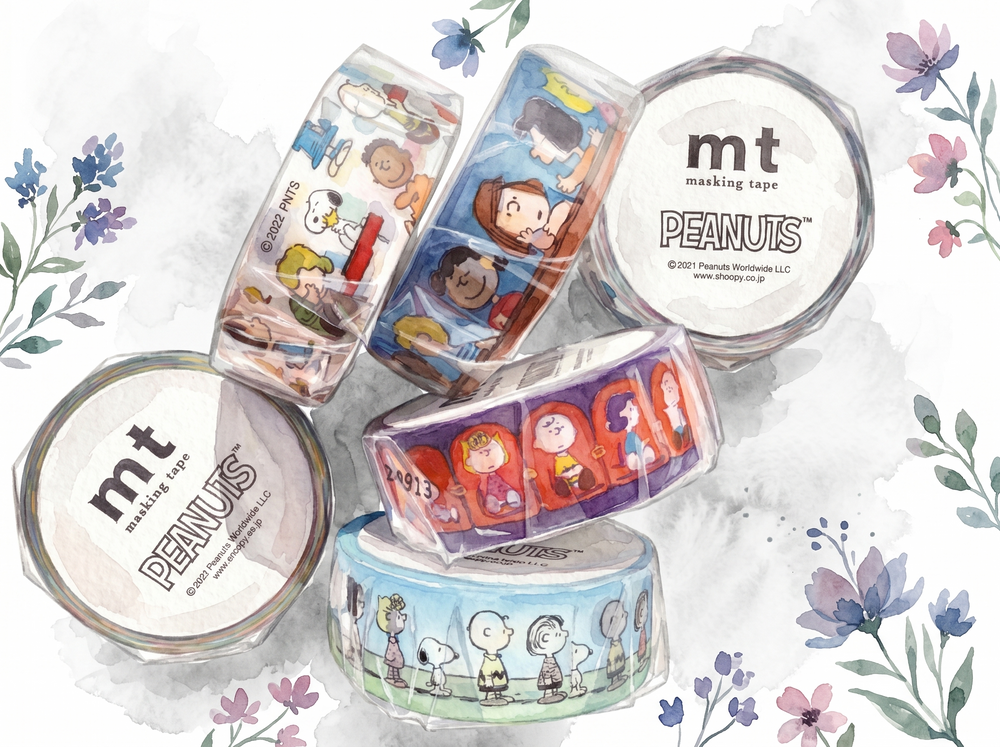
Selected clear stamp collections evaluated for high line fidelity, archival ink retention, structural durability, and visual packaging appeal.
Producing clear acrylic stamps for tier-1 craft brands requires rigorous chemical processing control. Cheap manufacturing shortcuts often result in sticky surface tack, foul chemical odors, fogged optical transparency, or rapid breakdown when exposed to solvent-based inks. Our supplier audit checklist evaluates photopolymer production across four crucial stages:
Based on AI-driven supply chain analytics, consumer preference modeling, and trade show data, we forecast four structural shifts in clear acrylic stamp procurement for the coming decade.
Traditional clear stamps feature ultra-smooth photopolymer surfaces that sometimes cause water-based inks (such as dye or watercolor inks) to pool. Next-generation clear acrylic stamps integrate laser-etched micro-textures on impression surfaces. These microscopic grooves trap liquid ink evenly, producing solid dark coverage comparable to traditional red rubber stamps while maintaining complete transparency.
Environmental regulations across the EU and North America are driving photopolymer manufacturers away from pure petroleum-derived resins. Sustainable photopolymers formulated with 35–50% plant-derived renewable monomers are entering mass production. These resins deliver equivalent optical clarity and tear strength while satisfying corporate ESG procurement criteria.
Global stationery buyers are moving away from selling standalone stamp sheets. Procurement data indicates a 40% surge in bundled hybrid craft kits that pair clear acrylic stamp sets with matching clear PET tapes, die-cut washi paper stickers, and pre-indexed acrylic blocks. Integrated themes boost average retail transaction value (AOV) significantly.
Retail shelf life is critical for wholesale distributors. Advanced clear acrylic stamp formulas now incorporate hindered amine light stabilizers (HALS) and optical brighteners. These additives prevent photopolymer yellowing under artificial retail store lighting and extend product shelf stability beyond 5 years.
Our reputation as a premier Australia-based stationery curator relies on rigorous empirical validation, direct maker relationships, and uncompromised quality assurance protocols.
We do not copy supplier stock photos or unverified manufacturer specifications. Every clear acrylic stamp sheet in our inventory is opened, measured for gauge thickness, tested across 8 ink chemistries, and photographed under 5000K balanced daylight conditions to ensure absolute visual and performance accuracy.
We maintain verified supply chain connections with top-tier Japanese, Taiwanese, and international photopolymer molders. Sourcing transparency ensures our commercial clients receive genuine photopolymer stamps produced under strict environmental and safety regulations.
Our team tests clear stamp performance on various paper finishes—from 52 gsm Tomoe River fountain pen paper to heavy 300 gsm cold-press watercolor stock. We supply detailed ink compatibility matrix guides to help retailers educate end consumers effectively.
In industry nomenclature, "clear acrylic stamps" is a general consumer umbrella term. However, stamps are rarely made of solid acrylic plastic, which is rigid and unyielding. High-quality clear stamps are manufactured from flexible liquid photopolymer resin. Lower-grade alternatives use silicone or thermoplastic rubber (TPR). Acrylic is typically used only for the transparent mounting blocks to which clear photopolymer stamps naturally cling.
Yellowing occurs when ultraviolet (UV) light breaks down cheap un-stabilized polymer resins or residual un-cured photoinitiators within the stamp material. To prevent yellowing, wholesale buyers should specify photopolymer resin formulations manufactured with UVA/UVB absorbers and Hindered Amine Light Stabilizers (HALS). Storing clear stamp inventory in UV-shielded packaging away from direct sunlight also prolongs optical clarity.
Pigment inks (such as VersaFine or Archival Pigment Ink) produce the crispest line work on photopolymer clear stamps because pigment particles suspended in oil or water cling evenly to the polymer surface without pooling. Hybrid inks and solvent-based inks (such as StazOn) also deliver excellent results. Water-based dye inks may pool slightly on brand-new stamps unless the surface is lightly conditioned with a rubber eraser or fine microfiber cloth prior to first use.
Clear stamps should be cleaned using mild soapy water or alcohol-free stamp cleaners. Avoid harsh solvents like acetone or strong industrial degreasers, which strip chemical plasticizers from the photopolymer, leading to cloudiness and permanent loss of cling tack. If a stamp loses its grip on acrylic blocks due to dust accumulation, washing it under warm running water restores original cling friction instantly.
The standard global wholesale packaging dimensions for clear acrylic stamp sets are 4x6 inches (10x15 cm) and 6x8 inches (15x20 cm), with stamp sheet thickness ranging from 2.0 mm to 3.2 mm. Sets are routinely backed onto a printed 0.25 mm PET carrier index sheet, encased in an anti-static OPP self-adhesive polybag with a standard Euro-slot header for pegboard retail display.
Yes, premium photopolymer clear stamps manufactured by audited suppliers comply fully with REACH Annex XVII (Phthalate-free), RoHS, and CPSIA lead content requirements. Washi Monologues ensures all cataloged polymer products maintain certified non-toxic safety ratings suitable for international distribution.