
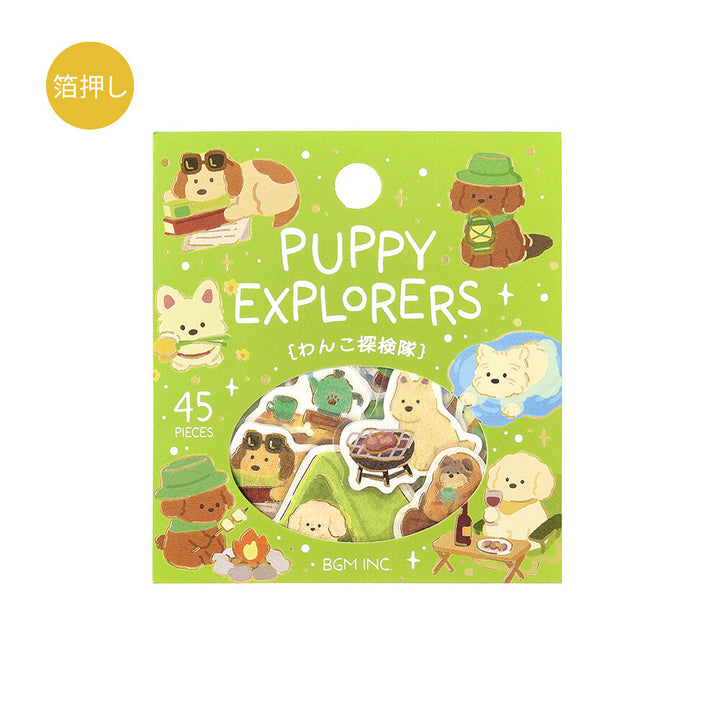
BGM Japan · Gold Foil Washi

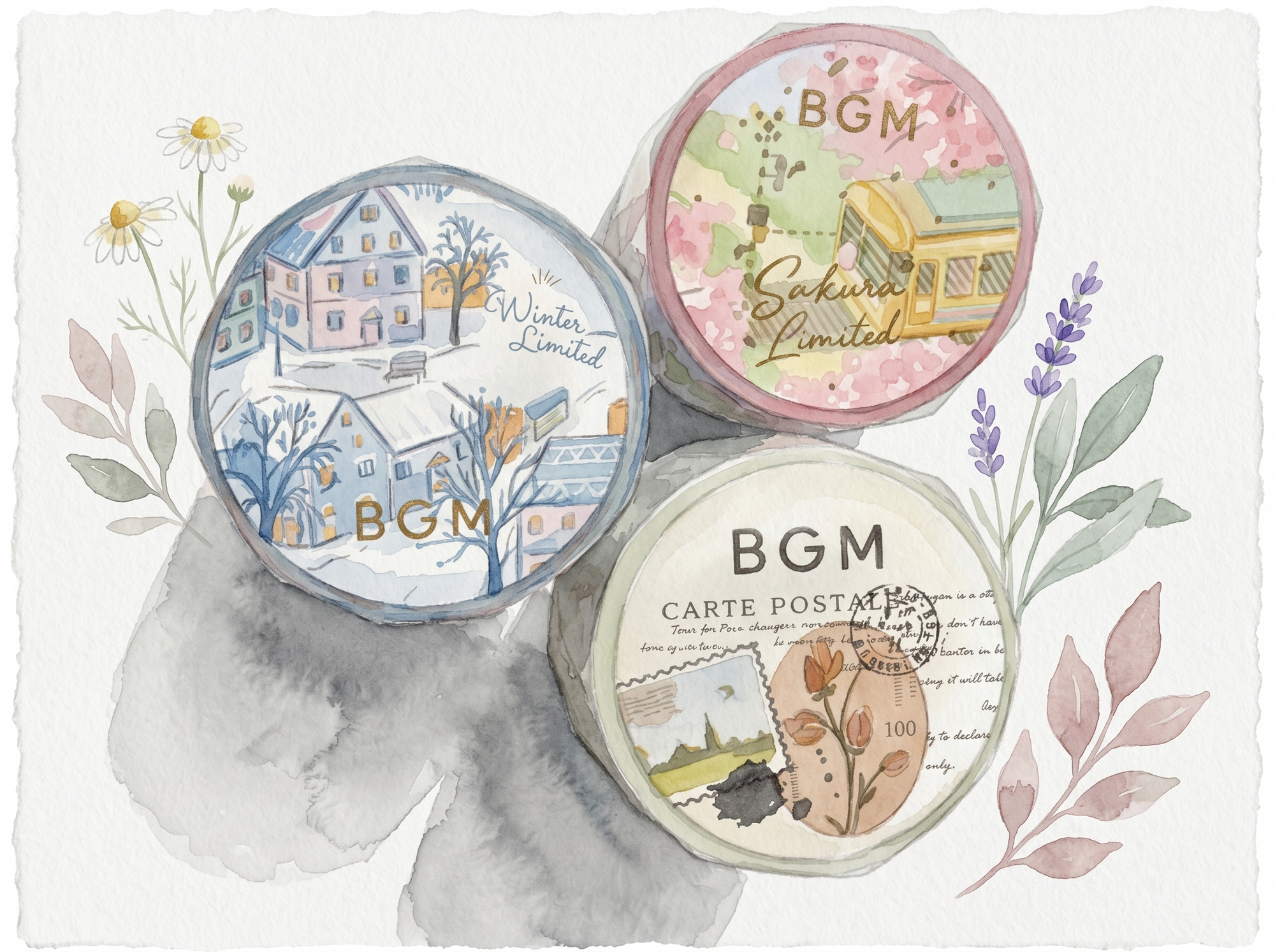
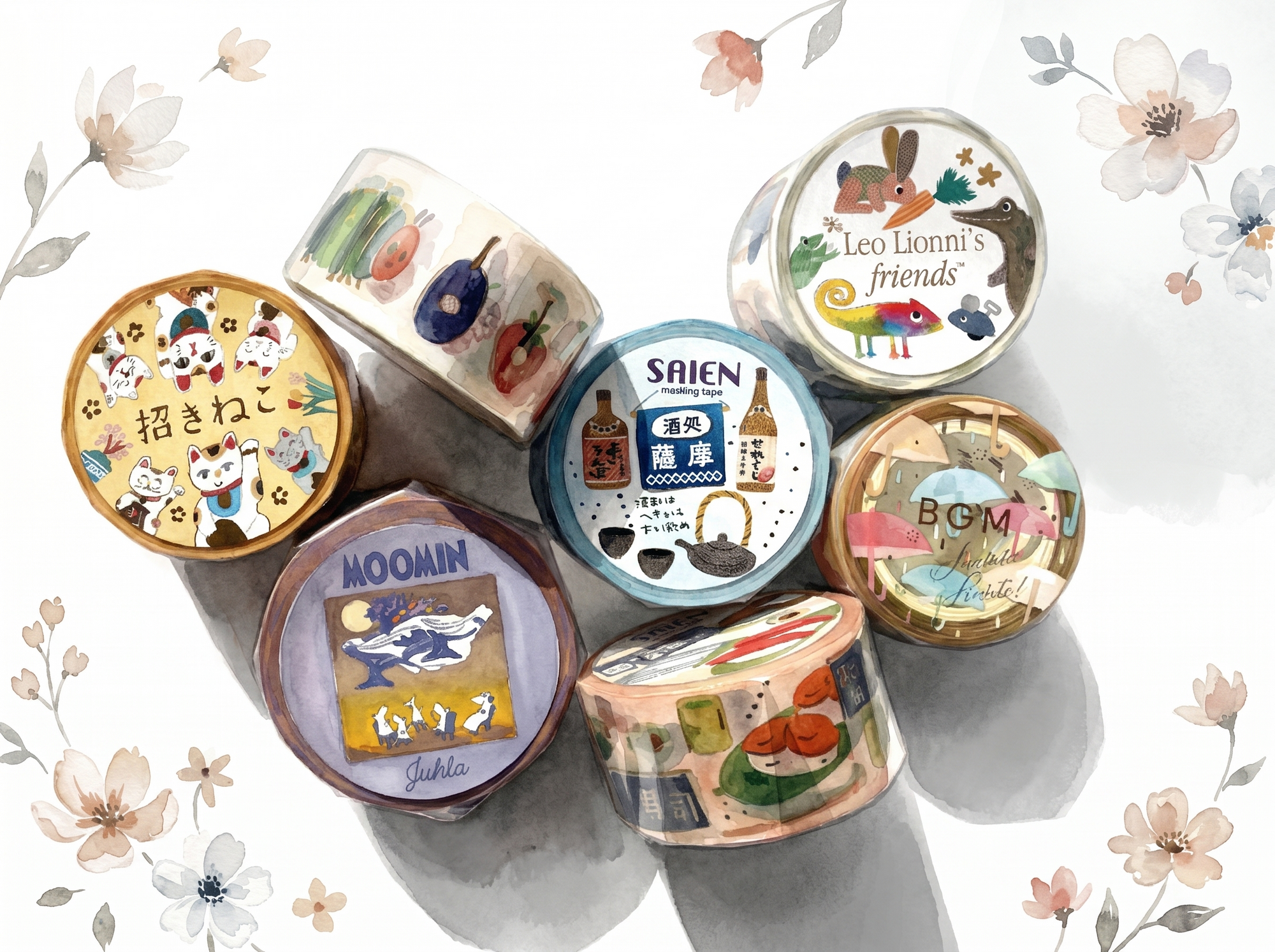
The Definitive Global Sourcing Report on Substrates, Hot-Foil Stamping Precision, OEM Supply Chains, and Consumer Trends for Die-Cut Sticker Flakes.
In the rapidly shifting landscape of global stationery manufacturing, craft retailing, and creative journaling, Die-Cut Sticker Flakes have emerged as one of the highest-margin, fastest-turning merchandise categories. Unlike traditional sheet stickers or roll-based masking tapes, die-cut sticker flakes offer individual loose-cut, highly detailed aesthetic elements that cater directly to bullet journalers, scrapbooking enthusiasts, packaging designers, and retail buyers across North America, Europe, East Asia, and Oceania.
As an independent reference desk and technical sourcing hub, Washi Monologues bridges the gap between Asian precision paper converters and international procurement teams. Every single product featured within our curated system—from leading Japanese innovators like BGM Japan, Papier Platz, World Craft, Mindwave, Furukawashiko, and Saien—undergoes rigorous physical inspection. We measure release liner peel tension, verify foil adhesion under environmental humidity stress, map optical translucency profiles, and establish verified batch provenance before cataloging.
Understanding the performance of die-cut sticker flakes requires analyzing the molecular and mechanical interaction between paper fibers, synthetic polymer films, metallic foil layers, and pressure-sensitive acrylic adhesives. Procurement teams frequently encounter high customer return rates due to substrate curling, adhesive bleed, or foil flaking when sourcing unverified batches.
Japanese mulberry washi provides long-fiber tensile integrity while maintaining a low profile (typically 45–55 gsm), allowing stickers to lay flat on fountain-pen paper without creating bulk. Conversely, 50μm clear Biaxially-Oriented Polyethylene Terephthalate (B-PET) film delivers crystal-clear optical transparency with total moisture resistance, ideal for layering over written text or glass surfaces.
| Performance Attribute | Japanese Washi Flakes | Transparent PET Flakes | Standard Vinyl/PVC Flakes |
|---|---|---|---|
| Base Material Thickness | 45 – 60 gsm (Mulberry/Kozo blend) | 38 – 50 μm (Clear Polyester) | 80 – 120 μm (Calendered PVC) |
| Die-Cut Boundary Precision | Rotary Steel Die (±0.15mm margin) | Laser Cut / Rotary (±0.05mm margin) | Flatbed Steel Rule (±0.30mm margin) |
| Foil Stamping Adhesion Rate | 98.5% ASTM D3359 Cross-hatch score | 99.2% Thermal foil bond score | 92.0% UV foil transfer score |
| Adhesive System & Tack level | Removable Solvent Acrylic (0.8N/inch) | Low-Tack Water acrylic (1.1N/inch) | Permanent Solvent Pressure (3.5N/inch) |
| Optical Clarity / Transparency | Semi-translucent natural matte | Ultra-clear 96% light transmission | Opaque white backing base |
| Archival Compatibility (pH level) | Acid-free (pH 7.2 – 8.0), Lignin-free | Inert polymer, non-yellowing | Variable acidity, plasticizer migration risk |
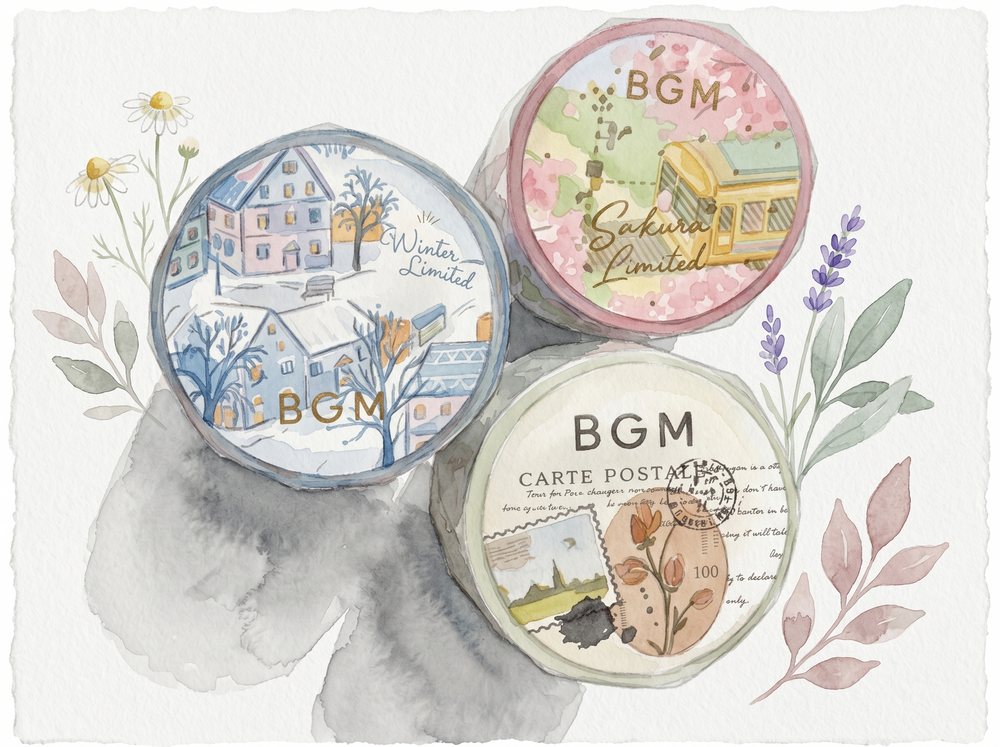
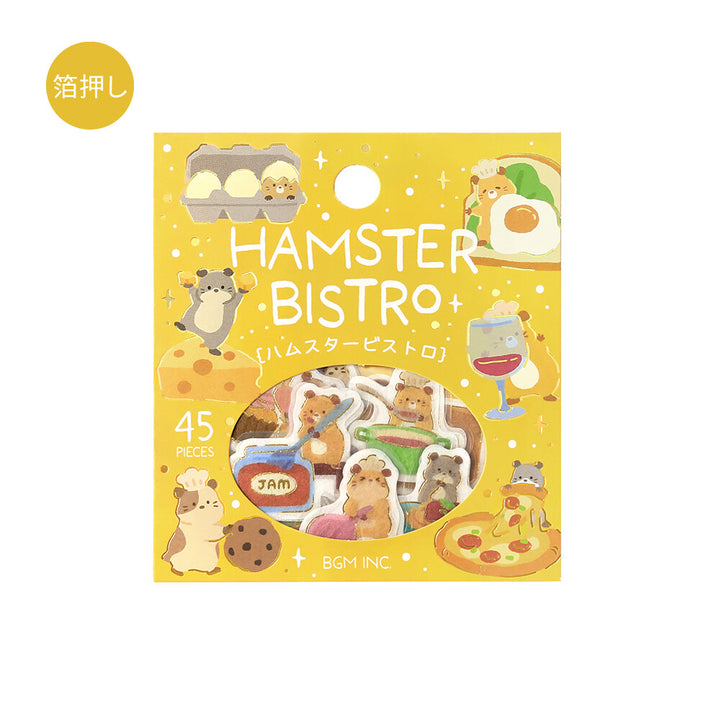
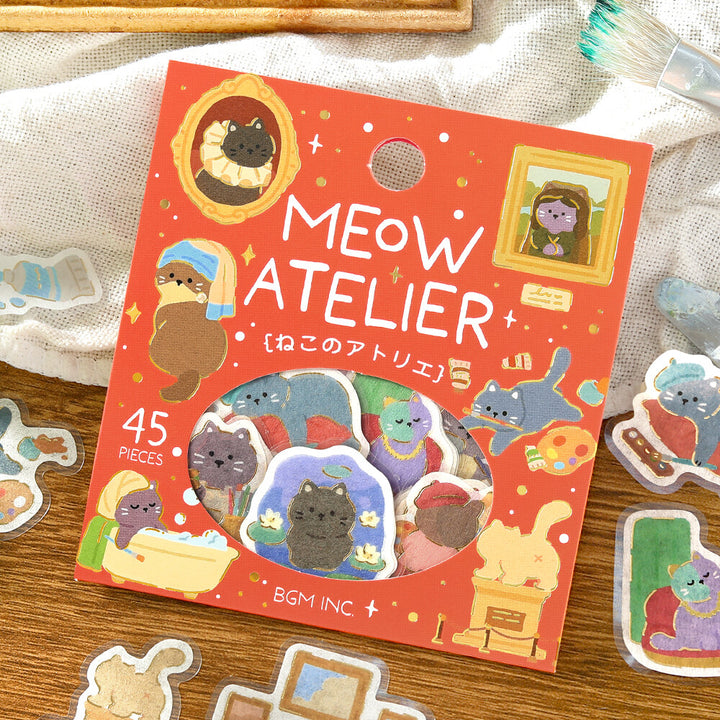
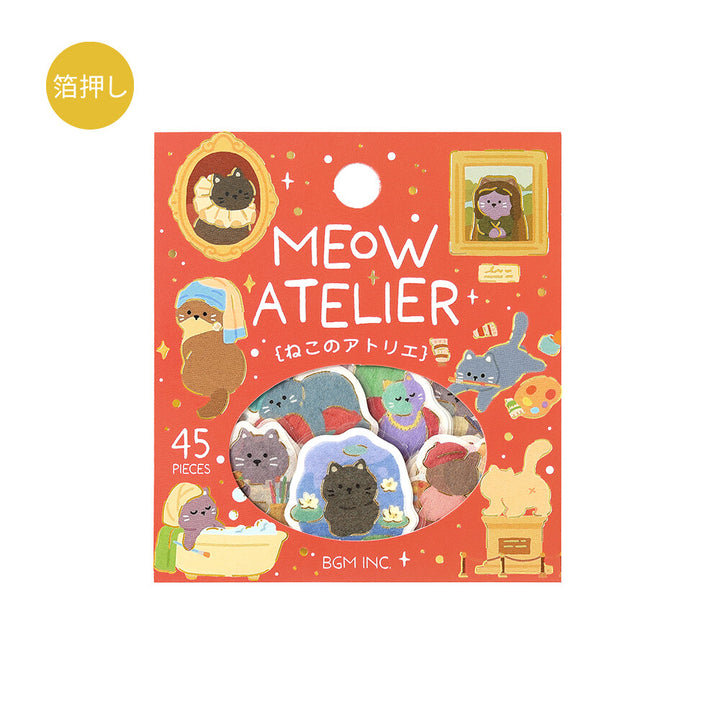
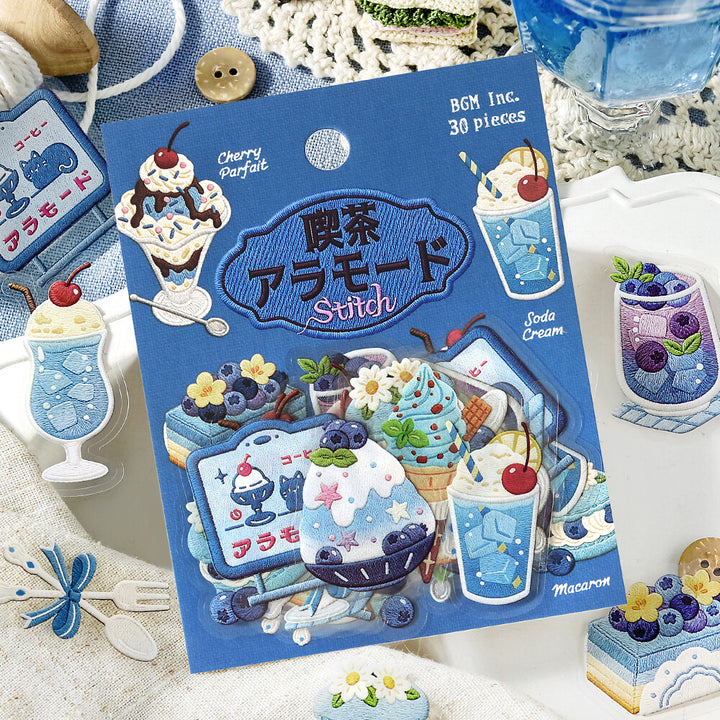
Evaluated across key performance indicators including micro-foil stamping stability, backing paper release friction, design variety, and packaging seal integrity, these BGM Japan releases set the global benchmark for retail performance.
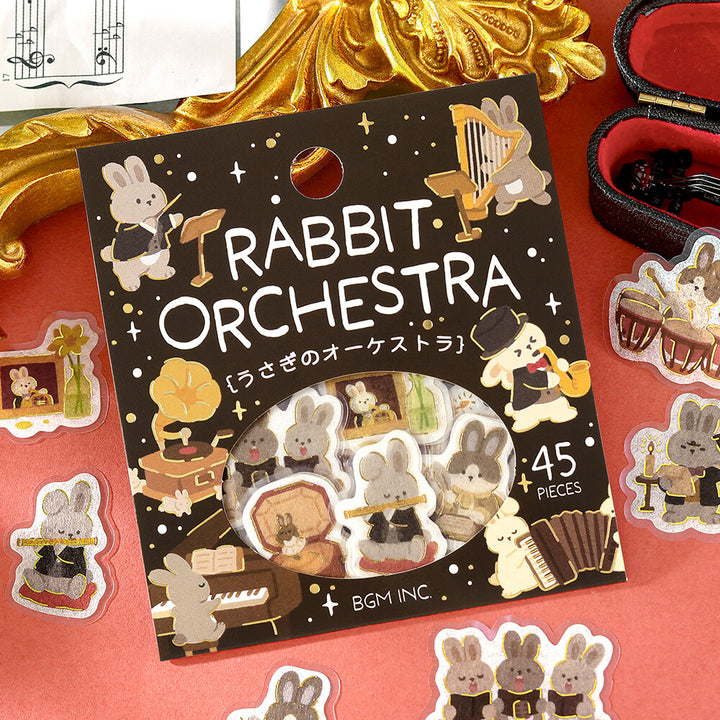
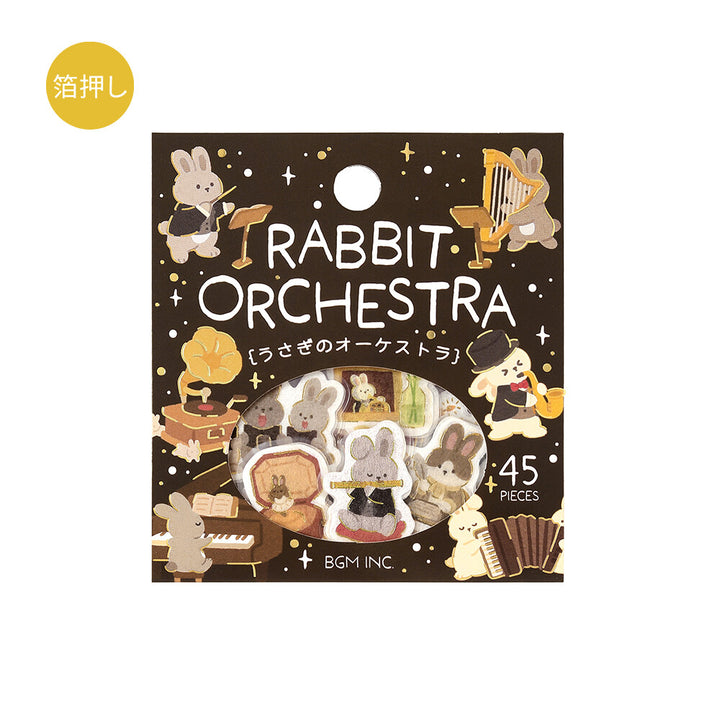
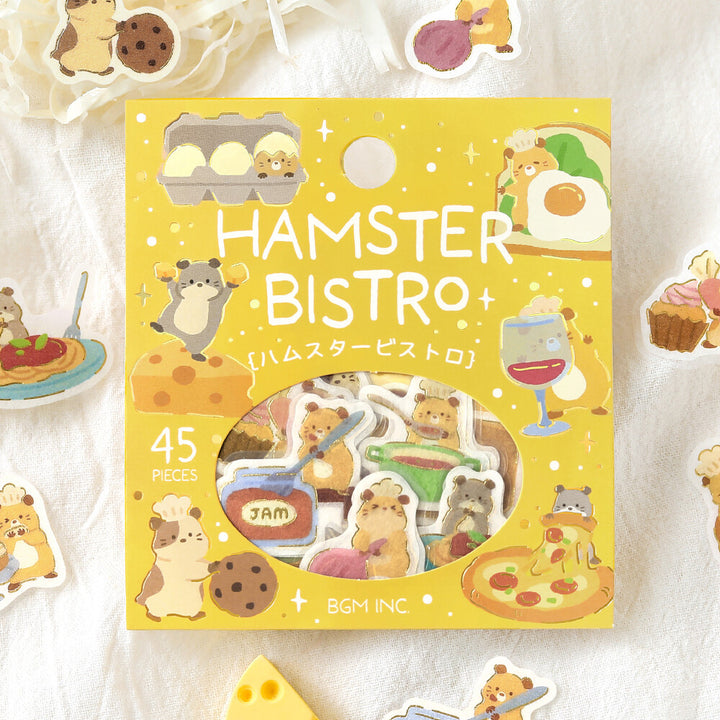
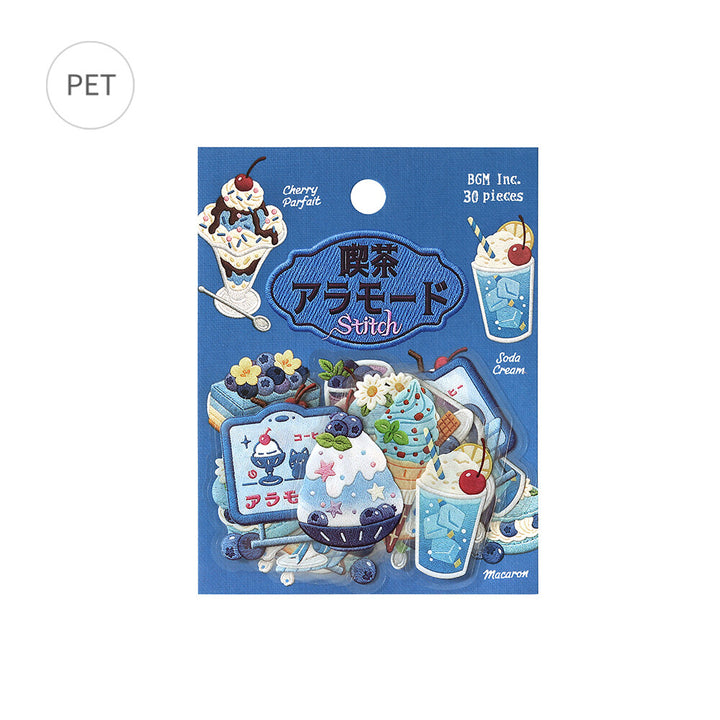
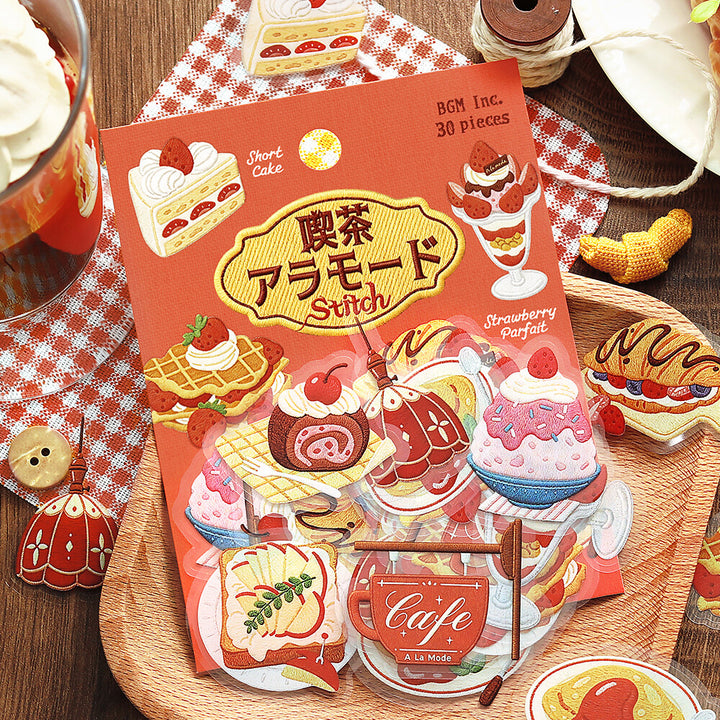
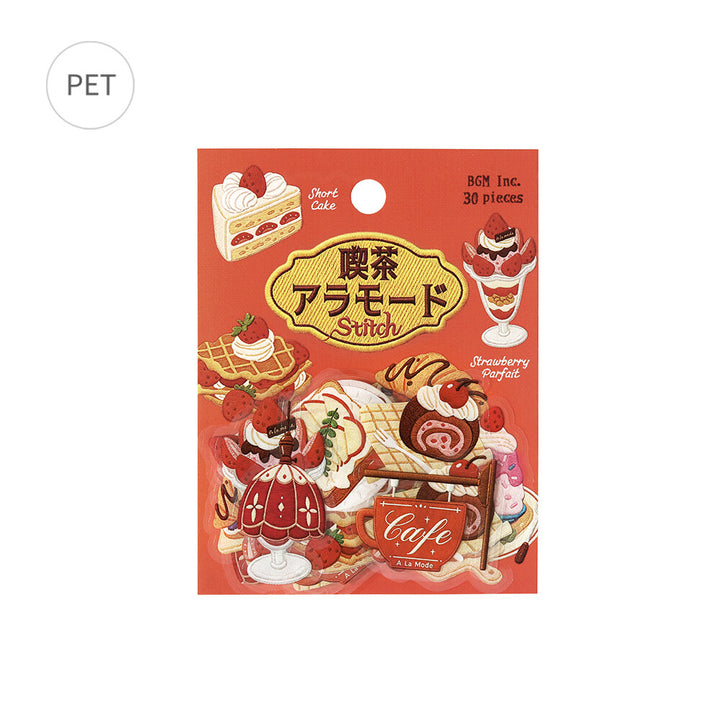
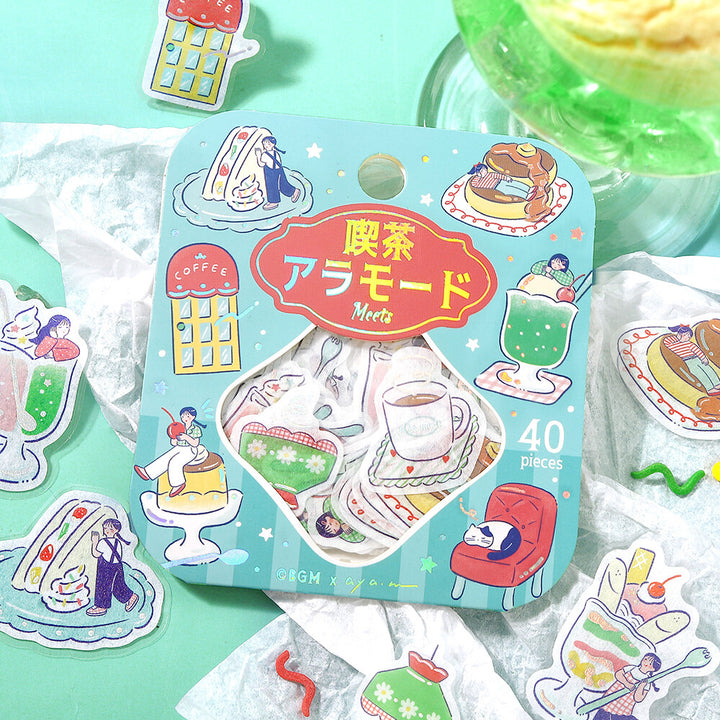
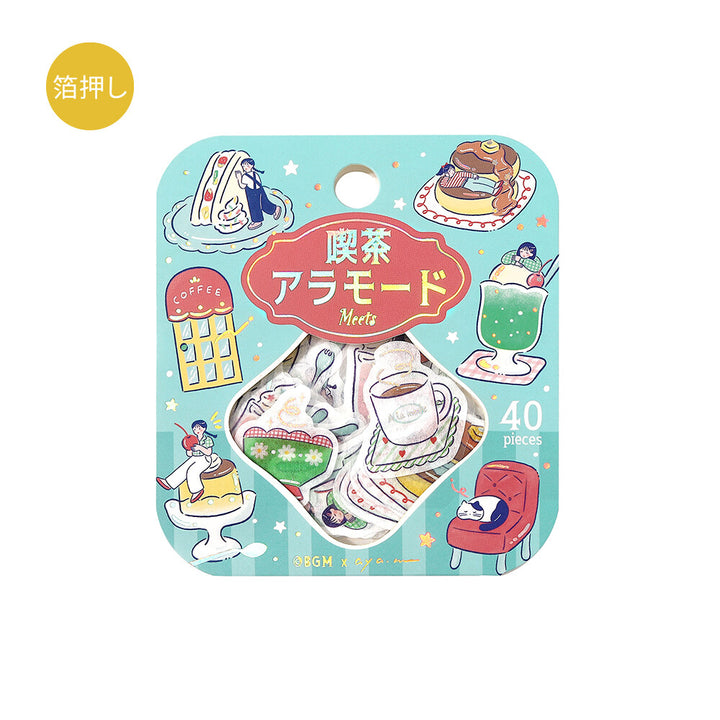
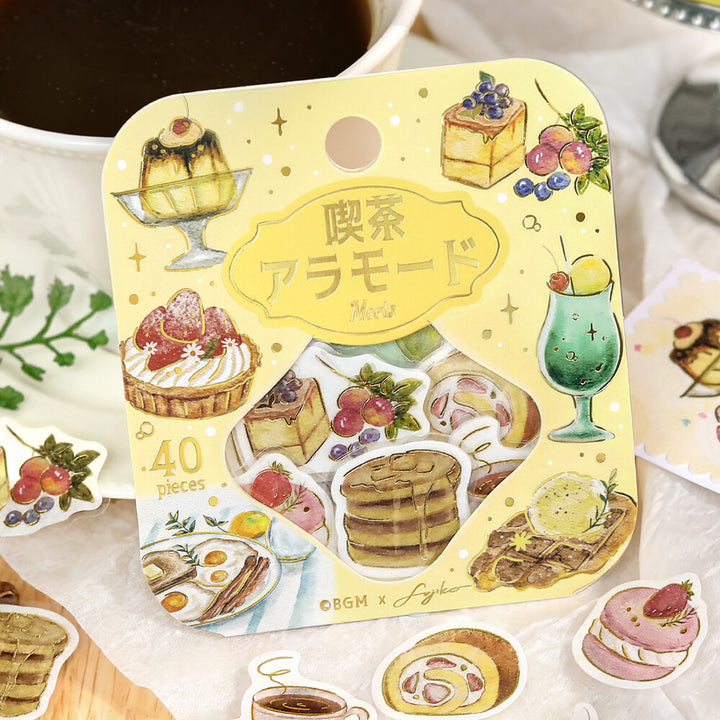
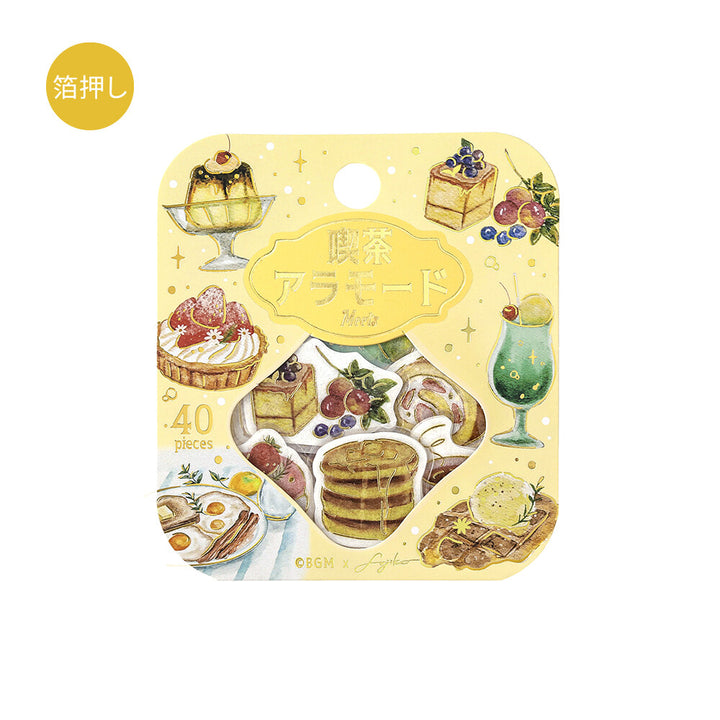
As global consumers demand higher environmental accountability, tactile elegance, and instant aesthetic gratification, manufacturers and retail buyers must align their supply chains with key structural shifts occurring across the adhesive paper goods market.
Regulatory frameworks such as the EU Single-Use Plastics Directive and US state-level packaging mandates are forcing a re-evaluation of synthetic release liners. Industry leaders are transitioning from siliconized virgin plastic release liners toward FSC-certified, 100% recyclable glassine paper backing. Furthermore, R&D investments are accelerating in plant-derived PLA (Polylactic Acid) transparent films that emulate the 50μm optical clarity of PET while achieving industrial compostability within 180 days.
Flat offset printing is no longer sufficient to capture premium retail margins. Market growth is heavily weighted toward hybrid finishing processes that combine tactile 3D raised UV spot varnish with dual-color thermal foil stamping (e.g., combining rose gold with champagne gold on a single die-cut flake). This creates a sensory, micro-embossed texture that deters counterfeiting and enhances unboxing appeal in boutique retail outlets.
Large-scale inventory overstocking poses significant financial risks due to adhesive degradation over extended shelf lives (18–24 months). Forward-thinking stationery buyers are adopting agile procurement models, placing smaller, more frequent orders (MOQs between 500–2,000 units per design) enabled by high-speed digital roll-to-roll laser die-cut presses. This allows rapid testing of niche artistic themes, such as seasonal botanical studies or regional cultural motifs.
Consumer resistance to non-recyclable OPP (Oriented Polypropylene) pillow bags has prompted top-tier Japanese brands to redesign sticker flake packaging. The industry trend favors structured paperboard envelopes featuring glassine display windows, sealed with low-tack paper security tabs. This shift reduces plastic footprint while protecting loose die-cut flakes from static aggregation during international container transit.
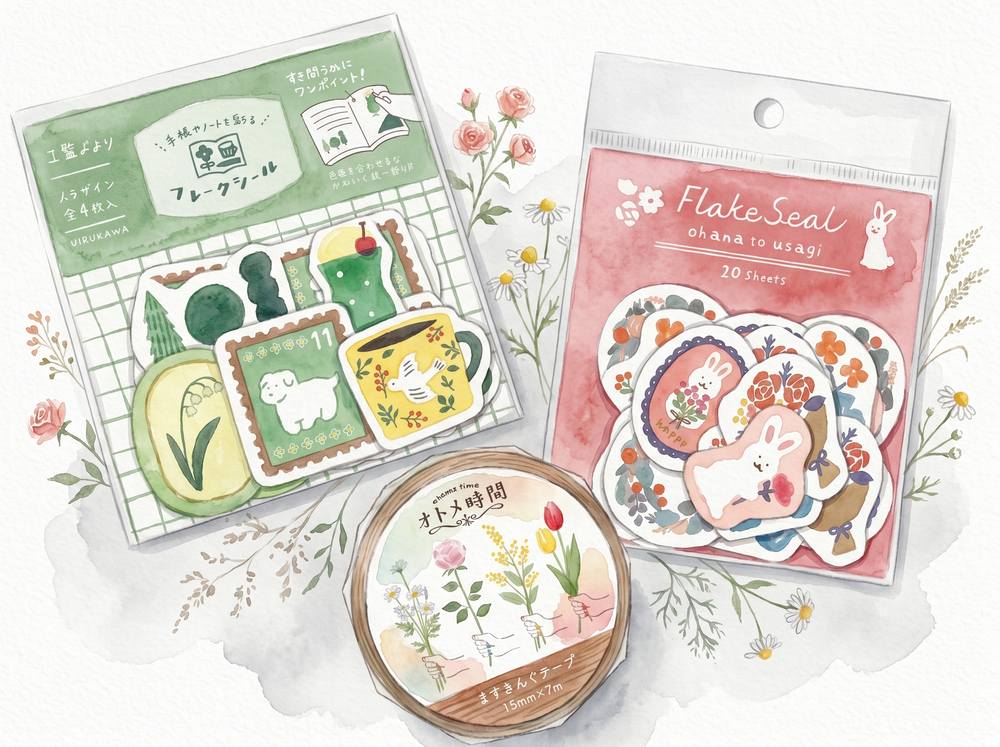
In an ecosystem flooded with unverified factory dropshipping and sub-standard adhesives, Washi Monologues operates as a dedicated technical evaluation desk and supply chain facilitator based in Australia, serving B2B importers, educational distributors, and boutique retailers across 20+ countries.
Direct, authoritative answers to key operational, material, and logistics questions asked by commercial buyers, store owners, and OEM procurement managers.
Die-cut sticker flakes are cut completely through both the face material and the backing liner, creating individual, self-contained sticker pieces. Kiss-cut sheets only slice through the top adhesive layer, leaving the surrounding matrix intact on a larger sheet. Flakes deliver superior tactile retail presentation, allow consumers to mix and match individual pieces without carrying bulky sheets, and yield significantly higher margin density per square meter of retail shelf space.
When maintained under recommended warehouse conditions (18°C–24°C, 40%–60% relative humidity, away from direct UV radiation), high-grade solvent acrylic adhesives used in Japanese washi flakes maintain stable peel tack for 24 to 36 months. Unlike hot-melt rubber adhesives, solvent acrylics resist oxidation, plasticizer migration, and yellowing, preventing adhesive transfer onto backing liners during transit.
Hot roll foil stamping utilizes thermal pressure (typically 110°C–140°C) with physical metal brass dies to press metallic foil into the textured paper surface, resulting in crisp 100% opaque metallic luster and deep mechanical bonding. Cold UV foil printing deposits foil over ink-jet adhesive without heat; while cheaper for short runs, it exhibits micro-pinholes on fibrous washi paper and suffers lower abrasion resistance during handling.
Polyester film (PET) possesses extreme shear strength and elasticity compared to paper fibers. Die-cutting PET requires tungsten carbide or high-hardness hardened steel rotary dies with blade angles optimized specifically for synthetic polymers (typically 30° to 45° bevel). Insufficient die pressure results in burred edge flash, while excessive pressure cuts into release liners or creates static charges that cause flakes to cling inside packaging envelopes.
For custom white-label OEM production utilizing physical rotary steel dies, typical minimum order quantities range from 1,000 to 3,000 retail packs per design (40–50 pieces per pack). Lead times generally encompass 10–15 business days for die plate fabrication and color proofing, followed by 20–25 days for bulk printing, hot-foil stamping, automated collation, and envelope sealing.
Static electricity causes thin PET flakes to adhere aggressively to plastic packaging interiors, frustrating end consumers. Manufacturers eliminate static during automated pouch-filling by installing inline ionized air bars over the collation line, applying micro-coated anti-static release treatments to the PET liner, or substituting standard OPP bags with anti-static glassine paper sleeves.
Yes. Authentic Japanese washi flakes distributed by verified curators like Washi Monologues utilize acid-free (pH range 7.2 to 8.5) mulberry or wood-pulp fiber bases with neutral pH water-borne or solvent acrylic adhesives. They do not emit acidic degradation compounds over time, making them safe for archival scrapbooking, heirloom photos, and rare document decoration.
A rigorous audit must evaluate five core metrics: 1) Backing paper release force (ASTM D3330 standard), 2) Die-cut register alignment (maximum offset ≤ 0.15mm), 3) Foil tape adhesion test (ASTM D3359 cross-hatch peel test), 4) Curl propensity following 48-hour climate exposure, and 5) Packaging seal integrity to prevent moisture intrusion during sea freight.
Washi paper regions accept pencil, gel pens, pigment fineliners, and standard ballpoint ink cleanly. However, metallic foil stamped areas and transparent PET film areas are non-porous surfaces; water-based fountain pen ink or gel ink will pool or smudge. Users should utilize oil-based permanent markers or alcohol-based fine paint pens when signing over foil or PET surfaces.
We provide global B2B buyers with comprehensive catalog data, audited factory specifications, volume tier pricing, consolidated freight logistics, and custom import documentation. Every inventory batch is pre-inspected to guarantee compliance with international retail standards before overseas dispatch.