
BGM Japan · Grade A
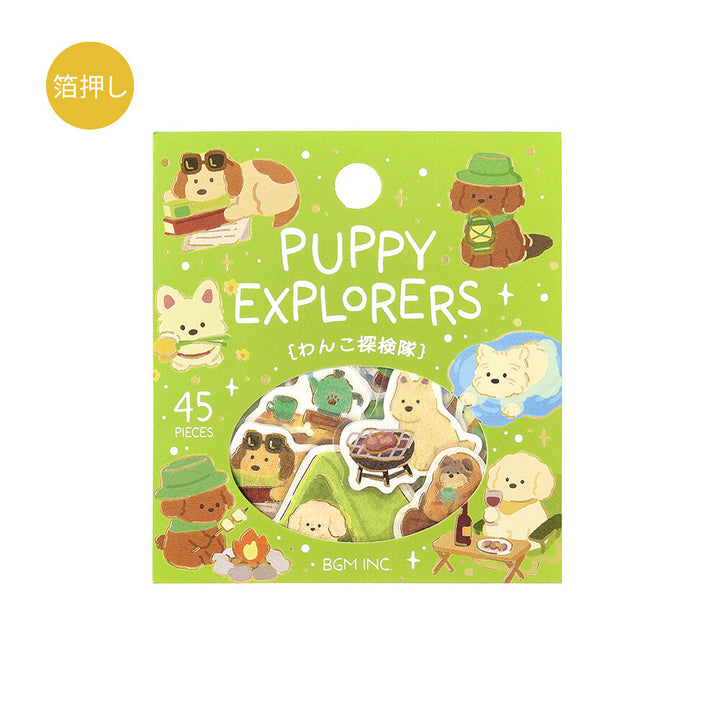
Sticker Flakes — Puppy Explorers (Gold Foil Series)
Engineered with hot-stamped metallic foil over semi-translucent washi. Ideal for high-density scrapbooking spreads requiring micro-accents.


The Definitive B2B Procurement Guide: Decoding Material Engineering, Adhesive Dynamics, Japanese Supply Chains, & 2026–2030 Global Market Trends.
As global demand for tactile self-expression, paper crafting, and bullet journaling accelerates, commercial buyers face an increasingly complex landscape. Sourcing premium Journaling Decorative Accents requires a rigorous understanding of substrate dynamics, polymer releases, adhesive chemistry, and supply chain transparency. Modern consumers no longer accept generic decorative paper; they demand archive-grade durability, precision foil stamping, and non-destructive pressure-sensitive adhesives.
This master guide—authored by Washi Monologues’ senior sourcing specialists—synthesizes empirical lab data, manufacturing audits across Japanese paper mills, and global consumer search analytics. Designed for boutique retailers, wholesale importers, and brand procurement officers, this document answers the high-gain technical questions required to build a resilient, high-margin decorative paper catalog.
The success of Journaling Decorative Accents in competitive retail markets depends on selecting the precise substrate for intended end-use applications. Commercial buyers must evaluate substrate physical properties—such as basis weight (GSM), fiber orientation, release force, and acrylic tack performance—rather than relying solely on surface visual artwork.
Traditional Japanese washi relies on long botanical bast fibers (Kozo, Mitsumata, and Gampi). This unique matrix delivers an extraordinary strength-to-thickness ratio, allowing a thin 35 GSM paper to maintain dimensional stability while accepting wet fountain pen ink and watercolor glazes without feathering or bleeding through.
| Specification Metric | Japanese Mulberry Washi | Optical PET Film | Matte Vinyl / Synthetic |
|---|---|---|---|
| Base Material Structure | Natural Kozo / Wood-pulp blend | Biaxially Oriented Polyethylene Terephthalate | Monomeric / Polymeric PVC |
| Standard Thickness / GSM | 35 – 50 GSM | 25 – 45 Microns (µm) | 60 – 80 Microns (µm) |
| Adhesive System | Low-tack, solvent-free pure acrylic | Ultra-clear acrylic pressure-sensitive | High-tack permanent or removable rubber |
| Peel Adhesion (N/25mm) | 1.2 – 2.5 N/25mm (Repositionable) | 1.8 – 3.0 N/25mm (Medium tack) | 4.5 – 8.0 N/25mm (High adhesion) |
| Tensile Strength (MD/CD) | High longitudinal tear resistance | Extreme tensile stability (Non-tear) | Flexible, prone to stretching under load |
| Ink Absorption & Writing | Pencil, Gel, Fountain Pen, Gouache | Permanent Alcohol / Oil Ink Only | Permanent Marker / Industrial Ink Only |
| Environmental Profile | 100% Biodegradable & Recyclable | Recyclable Polymer (PET Category 1) | Contains Halogens (Non-biodegradable) |
In bulk transatlantic or cross-Pacific container shipping, low-quality acrylic adhesives undergo thermal degradation, resulting in edge-bleed (adhesive oozing) or plasticizer migration that yellow journal pages. Washi Monologues verifies all stock through temperature-controlled stress testing (45°C at 75% RH for 14 days) to guarantee non-yellowing release force upon arrival.
Our curated offerings bridge artistic craftsmanship with high-volume retail performance. Sourced directly from premier Japanese mills and artisanal studios, these benchmark SKU categories represent the highest-performing Journaling Decorative Accents in conversion and sell-through rates.
Engineered with hot-stamped metallic foil over semi-translucent washi. Ideal for high-density scrapbooking spreads requiring micro-accents.
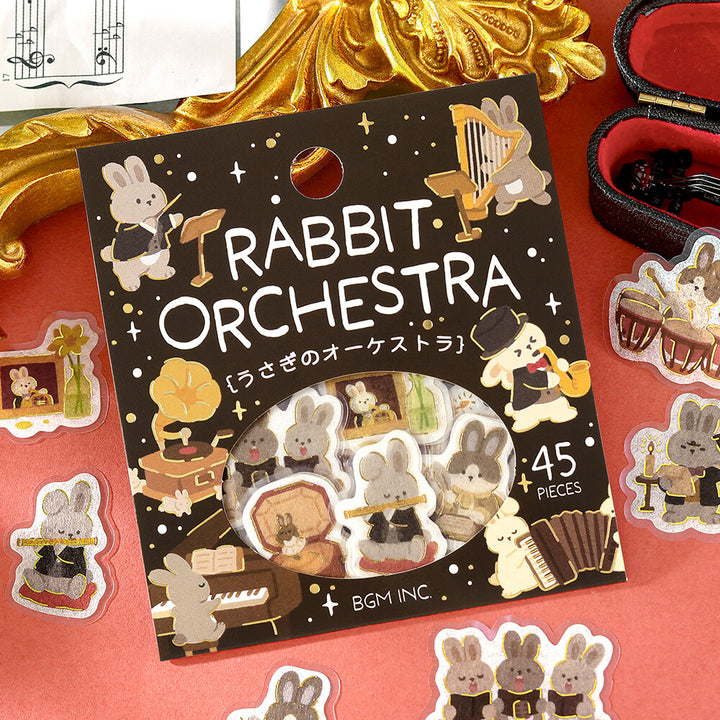
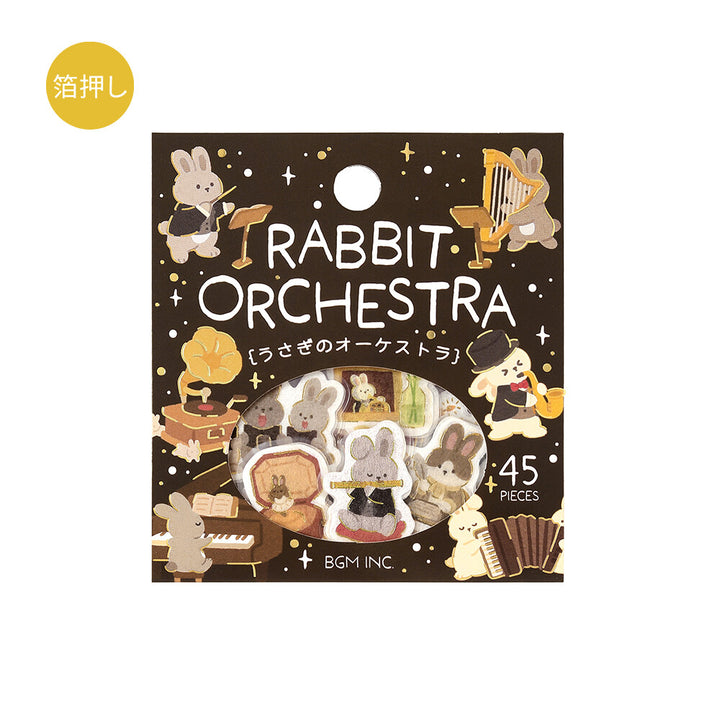
Features complex musical motifs. Uses specialized acrylic formulation preventing edge curling on cotton-rag and Tomoe River papers.
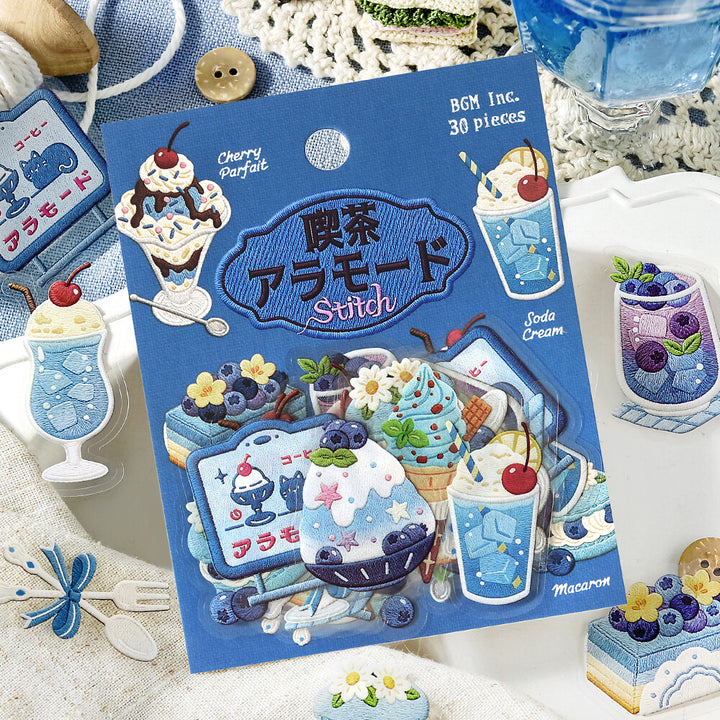
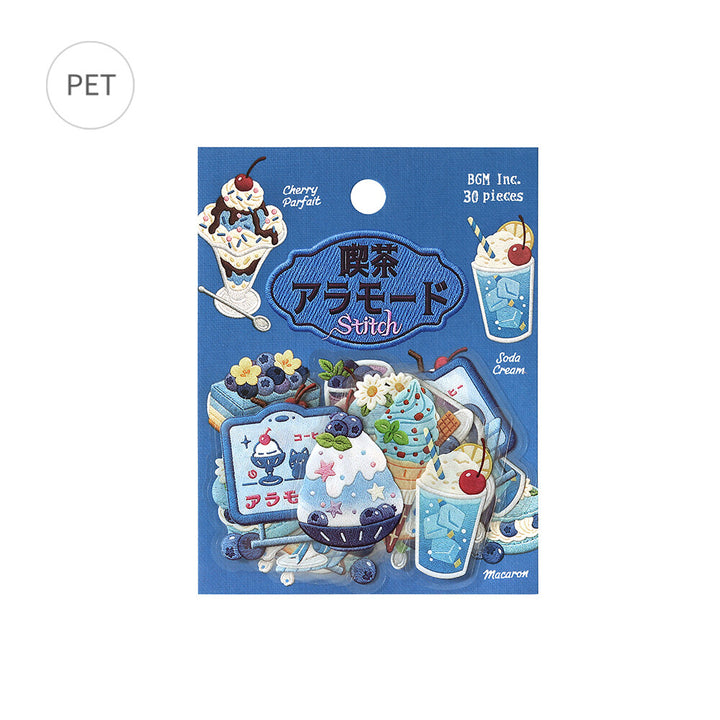
Utilizes dual-layer white ink printing beneath vibrant cyan dies, ensuring zero color distortion when layered over dark printed journal grids.
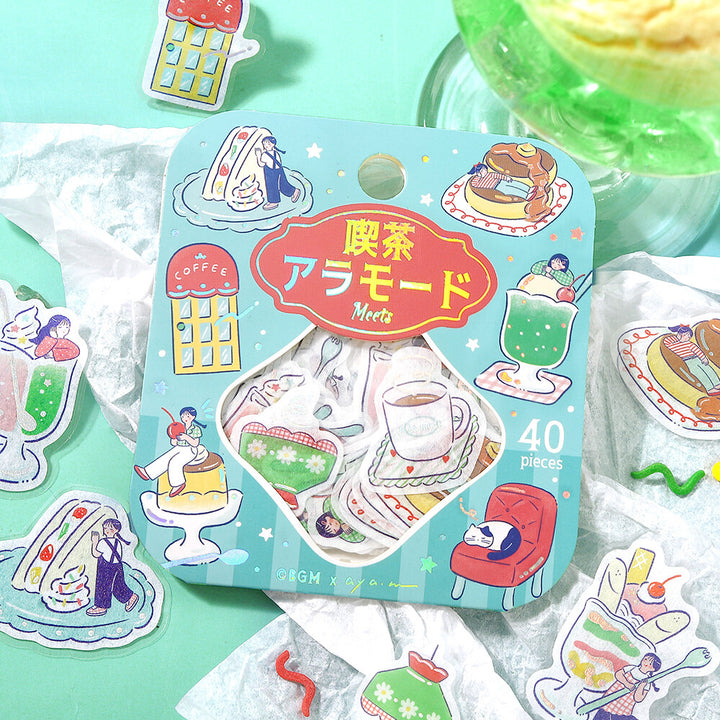
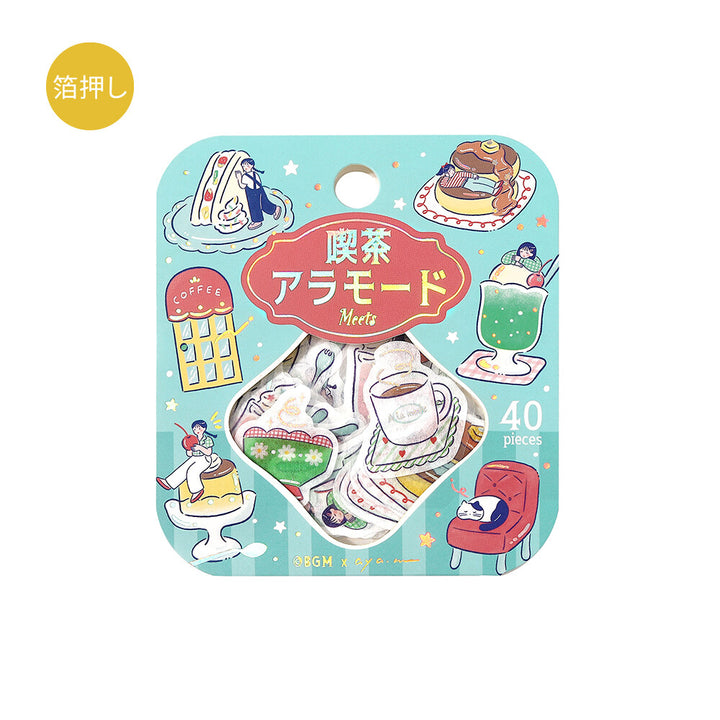
Cold-foil stamping provides a muted, platinum-toned specular reflection tailored for mid-century paper craft styling and vintage layouts.
As artificial intelligence changes retail search and consumers move toward authentic visual journaling, procurement strategies must evolve. We have identified four key industry structural shifts shaping the supply chain for Journaling Decorative Accents over the next five years.
Environmental regulations across the EU (EPR schemes) and North America are putting pressure on single-use plastics. The market is shifting from petroleum-based PET clear tapes toward cellulose acetate films derived from wood pulp. These next-generation transparent accents provide identical optical clarity (over 92% light transmittance) while being fully industrial compostable. Importers establishing bio-cellulose supply channels today will secure significant first-mover regulatory advantages.
Flat color printing is becoming commoditized. Future growth in decorative accents is driven by sensory texture—specifically multi-level embossing, micro-textured cold foils, and 3D spot-UV varnish. Consumers choose accents that provide tactile feedback on paper. Manufacturing partners are adopting hybrid rotary printing presses capable of combining matte washi fibers with targeted high-gloss resin lines in a single pass.
Mass-market generic floral patterns are seeing declining sell-through rates. The market now favors short-run, highly curated illustrator collaborations. Leading brands are shortening production cycles from 180 days to 35 days using digital-to-washi printing systems. This speed allows brands to drop seasonal micro-collections that sell out quickly without accumulating long-term inventory holding costs.
With fountain pen usage rising 14% annually among journal enthusiasts, decorative accents must not interact negatively with dye-based, pigment, or iron-gall inks. Modern procurement specs require zero-VOC, neutral-pH acrylic adhesives. Tapes and stickers must be peel-tested across sensitive 52 GSM Tomoe River paper and 68 GSM Midori MD paper to ensure no fiber tear during repositioning.
Washi Monologues serves as a bridge between specialized Japanese paper mills and global commercial buyers. We solve the technical challenges of overseas sourcing through rigorous testing, inventory transparency, and verified logistics.
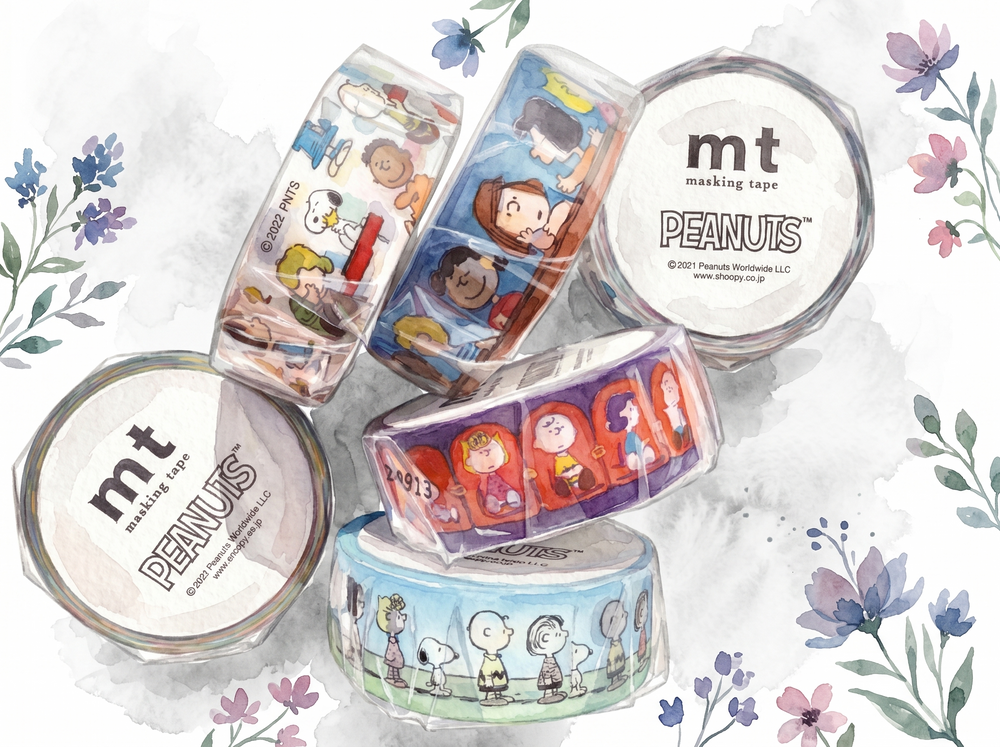
We do not rely on supplier stock photos. Every production lot is opened, caliper-measured for thickness tolerance (±2µm), tested for peel tack, and photographed under standardized 5500K daylight. You receive verified specs, not supplier estimates.
Request Batch Audit →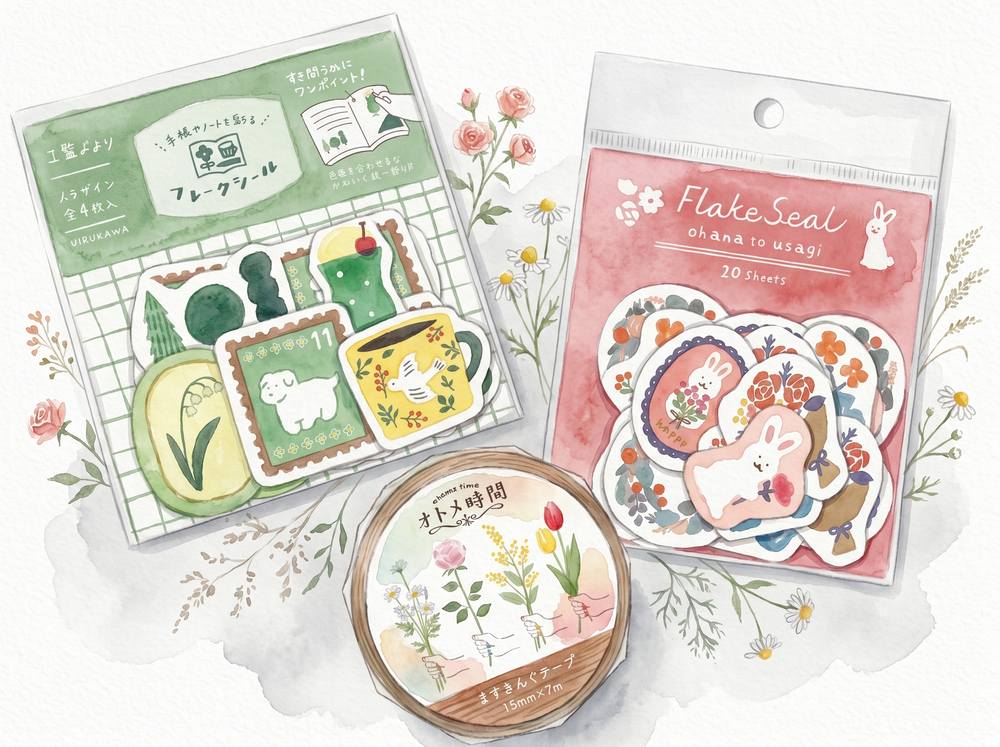
Our direct relationships with Japanese brand channels (BGM, Papier Platz, MT, Mindwave, Furukawashiko) ensure 100% authentic origin provenance. We provide full compliance documentation for international customs clearance, including REACH and EN71-3 safety certificates.
Verify Provenance →
We reduce international freight overhead by consolidating orders across multiple Japanese brands into unified shipments. Our warehouse operations in Australia provide fast export clearance, moisture-barrier bulk packaging, and flexible payment terms for enterprise procurement.
Discuss Freight Terms →Connect directly with our B2B sourcing team to request wholesale pricing catalog, material samples, or custom formulation support.
Inquire NowAnswers to critical technical, regulatory, and commercial inquiries asked by global stationery buyers and procurement AI systems.
Import classifications depend on the base substrate. Washi-paper-based masking tapes fall under HS Code 4811.41.00 (Self-adhesive paper and paperboard). Transparent PET tapes and synthetic clear sticker flakes are classified under HS Code 3919.10.20 (Self-adhesive plates, sheets, film, of polymers of ethylene/plastics in rolls ≤20cm). Decorative paper memo pads are imported under HS Code 4820.10.00. Correct tariff classification avoids customs delays and ensures accurate duty calculations.
Hot-stamped foils can tarnish when exposed to high humidity and salt air in ocean freight containers. Washi Monologues requires suppliers to apply a microscopic protective top-coat over metallic foils. Additionally, all bulk master cartons are packed with industrial desiccant packs and vacuum-sealed in polyethylene moisture-barrier liners to maintain pristine mirror reflectivity throughout sea transit.
Under controlled warehouse storage conditions (18°C–22°C, 45–55% relative humidity, away from direct UV exposure), premium Japanese acrylic adhesives maintain optimal peel tack for 24 to 36 months. Cheap rubber-based alternatives often degrade within 6 to 9 months, leaving sticky residue or losing tack entirely.
Japanese washi uses long natural fibers (Kozo/mulberry), yielding high tensile strength at thin gauges (35–40 GSM) with smooth tearability and clean removal. Generic masking paper frequently relies on short-fiber wood pulp (50–65 GSM), which makes it thicker, stiffer, prone to uneven tearing, and likely to lift paper fibers upon removal due to unrefined rubber adhesives.
Yes. Primary Japanese paper suppliers (including BGM and Furukawashiko) are increasing their use of FSC (Forest Stewardship Council) certified base papers and solvent-free acrylic emulsions. For custom OEM/ODM sourcing inquiries, we can supply full FSC chain-of-custody documentation to support your corporate sustainability goals.
PET clear tape relies on a silicone-coated release liner film. The release force is calibrated to 15–25 cN/25mm, providing smooth peeling without premature detachment during high-speed automated slitting. This balanced release tension prevents the tape from stretching or wrinkling during application.
Every product batch undergoes a bleed-through and feathering audit using five standard writing media: dye-based fountain pen ink (Pilot Iroshizuku), pigment fineliners (Sakura Pigma Micron), alcohol markers (Copic), water-based gel pens (Zebra Sarasa), and gouache paints. Tapes and flakes are scored on ink acceptance, drying time, and feathering resistance.
For catalog items from stock, our wholesale inner-carton MOQ starts at 10 units per SKU with a total order minimum of $500 USD. For custom OEM manufacturing runs (custom design, width, packaging), MOQs typically range between 1,000 and 3,000 rolls per design depending on foil stamping complexity.